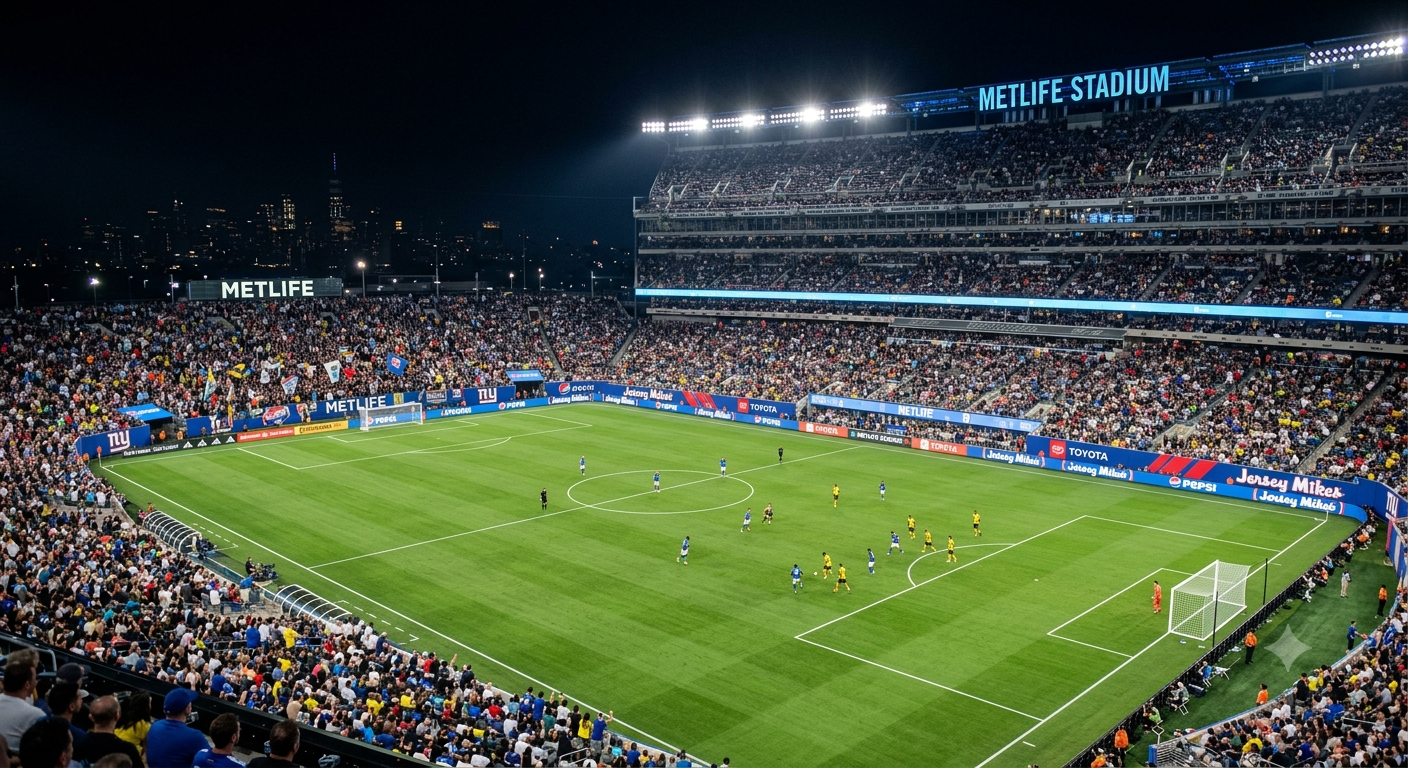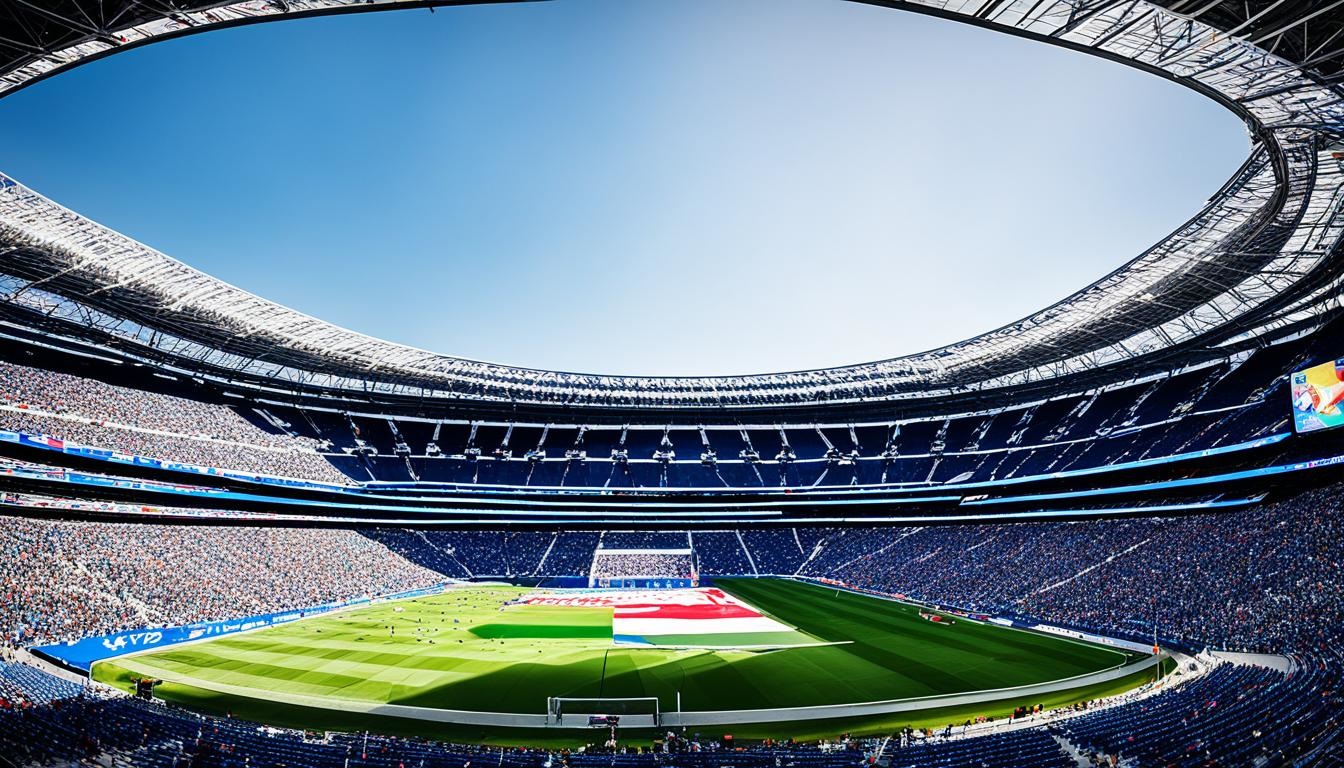


The FIFA World Cup 2026 is the largest tournament in soccer history, spanning 16 host cities across the United States, Canada, and Mexico and 48 teams. While most fans will focus on players, tactics, and stadium atmospheres, another critical component will influence every match: the grass beneath the athletes’ feet.
Creating consistent playing surfaces across multiple countries and climate zones is one of the most complex turfgrass challenges ever undertaken. From the heat of Texas and Florida to the cooler conditions of Canada, FIFA and its research partners have spent years evaluating turfgrass species, irrigation practices, rootzone systems, and field performance technologies to deliver elite playing conditions throughout the tournament.
The result is not a single grass type but a carefully engineered combination of warm-season and cool-season turf species, reinforced by hybrid technologies, advanced irrigation management, and innovative sod production methods.
Why FIFA Cannot Use One Grass Species Everywhere
Unlike tournaments hosted within a single country, the 2026 World Cup must accommodate dramatically different environmental conditions.
Host cities include locations with:
- Tropical and subtropical climates
- Semi-arid environments
- Cool northern summers
- High-altitude conditions
- Open-air stadiums
- Partially enclosed venues
A turfgrass variety that thrives in Miami may struggle in Vancouver. Likewise, a cool-season grass selected for Toronto could suffer under summer conditions in Texas.
Because of these differences, FIFA’s turf strategy focuses on matching grass species to local environmental conditions while maintaining consistent field performance standards across all venues.
Warm-Climate Stadiums: Bermudagrass Takes Center Stage
For many venues located in the southern United States and parts of Mexico, Bermudagrass (Cynodon spp.) serves as the foundation of the playing surface.
Bermudagrass has long been considered the gold standard for warm-season sports turf because it combines durability, rapid recovery, and excellent traffic tolerance.
Key advantages include:
- Exceptional wear resistance
- Aggressive recovery through stolons and rhizomes
- Excellent heat tolerance
- Strong drought resistance
- Dense playing surfaces
- High tolerance to intensive athletic use
These characteristics make Bermudagrass particularly suitable for professional soccer fields that may host multiple matches within short periods.
Advanced Bermudagrass Cultivars
Several advanced Bermudagrass cultivars have been evaluated and widely used in elite sports turf programs throughout North America. Examples include Tahoma 31, Tifway 419, and NorthBridge, all recognized for their durability, recovery potential, and suitability for high-performance athletic fields.
Tahoma 31
Developed through extensive turfgrass breeding efforts, Tahoma 31 is recognized for its cold tolerance, drought resistance, and rapid recovery from traffic damage. These characteristics make it attractive for transition-zone athletic fields.
Tifway 419
One of the most widely used sports turf cultivars in North America, Tifway 419 has built a long-standing reputation for durability, density, and consistent playing quality.
NorthBridge
NorthBridge was developed to improve cold tolerance while maintaining many of the performance characteristics desired in elite sports turf environments.
While FIFA focuses on field performance outcomes rather than promoting specific cultivars, these improved Bermudagrass varieties represent the type of advanced genetics commonly used in high-performance athletic fields.
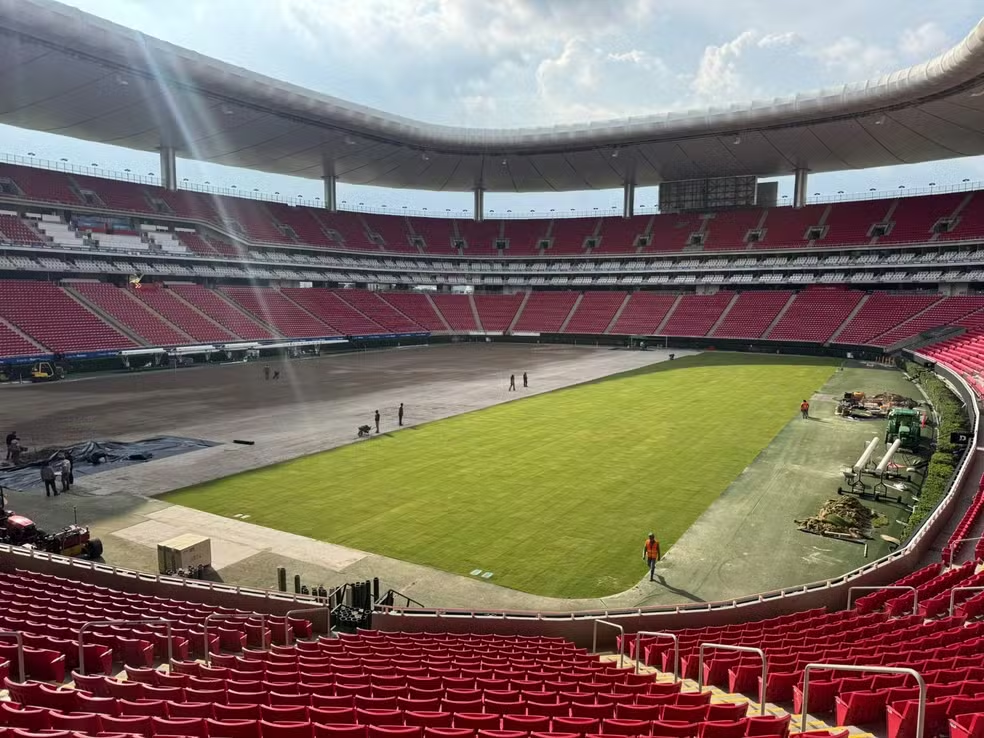
Figure 1. Chivas’ Akron Stadium in Guadalajara. The grass used is NorthBridge Bermudagrass. Photo: Itograss
The final cultivar selection for each venue depends on local climate, stadium architecture, sod production logistics, and FIFA’s field performance specifications.
Cooler Venues Require a Different Turf Strategy
Not every World Cup stadium experiences conditions favorable to Bermudagrass.
Several northern venues face cooler temperatures and shorter growing seasons, creating a need for cool-season turf species.
Kentucky Bluegrass: The Preferred Cool-Season Foundation
Kentucky bluegrass (Poa pratensis) remains one of the most respected cool-season grasses used on professional sports fields.
Its advantages include:
- Excellent visual quality
- Strong recuperative potential
- Good traffic tolerance
- Consistent ball roll characteristics
- Dense turf canopy
For elite soccer fields, Kentucky bluegrass provides the uniformity and playing quality required for international competition.
The Role of Perennial Ryegrass
In many sports turf systems, Kentucky bluegrass is combined with perennial ryegrass (Lolium perenne).
Perennial ryegrass contributes:
- Rapid establishment
- Quick germination
- Strong sod integrity
- Improved early-season performance
These characteristics make ryegrass particularly valuable during sod production and field establishment.
Comparative table of the species:
| Turf Type | Climate | Wear Tolerance | Recovery | Drought Tolerance |
|---|---|---|---|---|
| Bermudagrass | Warm season | Excellent | Excellent | Excellent |
| Kentucky Bluegrass | Cool season | Good | Excellent | Moderate |
| Perennial Ryegrass | Cool season | Good | Moderate | Moderate |
The Sod-on-Plastic Technology Behind World Cup Fields
One of the most innovative aspects of modern sports turf production is sod-on-plastic technology.
This method has become increasingly important for major sporting events because it improves sod strength and installation efficiency.
How Sod-on-Plastic Works
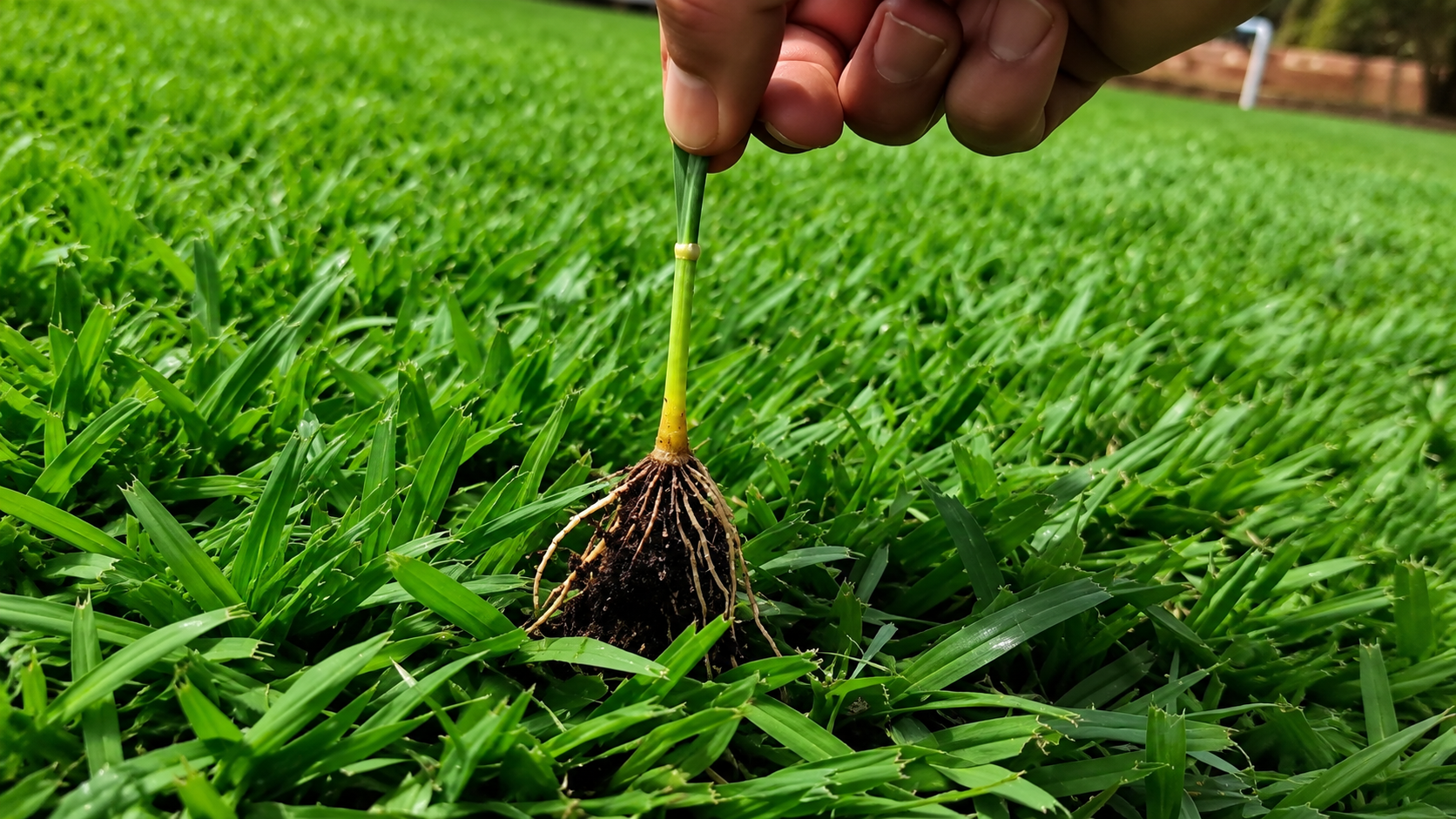
During production, a thin plastic barrier is placed beneath the sand-based growing medium.
As roots encounter the barrier, they spread laterally instead of growing deeply into the soil profile.
The result is a dense root network that creates exceptionally strong sod.
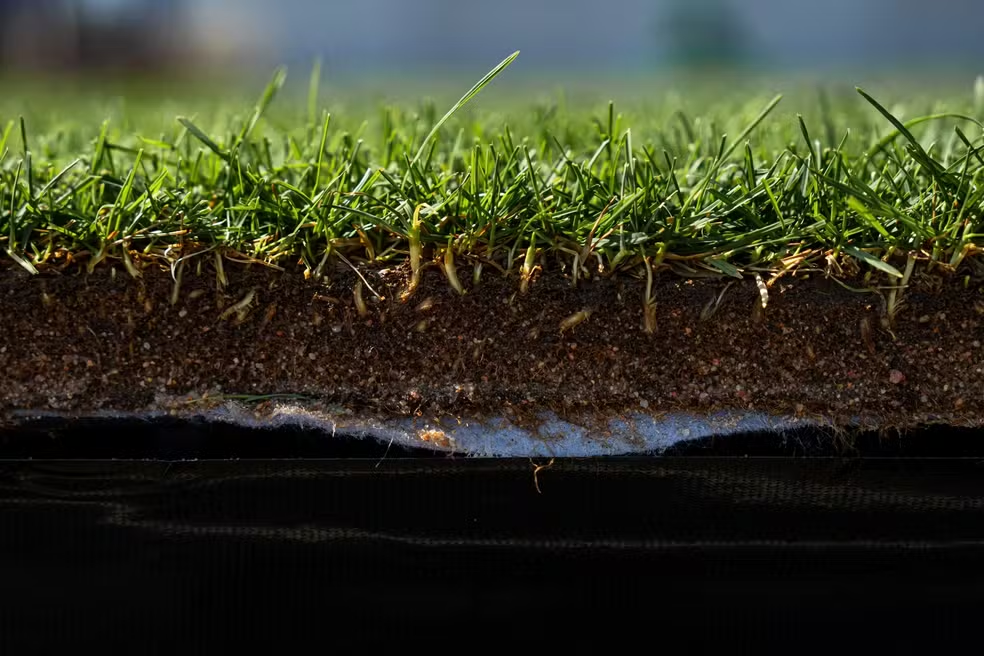
Figure 2. Sod-on-plastic technology (Photo: FIFA)
Benefits for World Cup Stadiums
Sod-on-plastic production offers several advantages:
- Greater sod stability during harvesting
- Reduced transplant stress
- Faster installation
- Improved transport durability
- More uniform field establishment
These benefits become especially valuable when fields must be installed within tight construction schedules.
Hybrid Turf Systems: Natural Grass Reinforced with Synthetic Fibers
Modern elite soccer increasingly relies on hybrid turf systems.
Hybrid fields combine natural grass with synthetic reinforcement fibers integrated into the rootzone.
The objective is not to replace natural grass but to strengthen it.
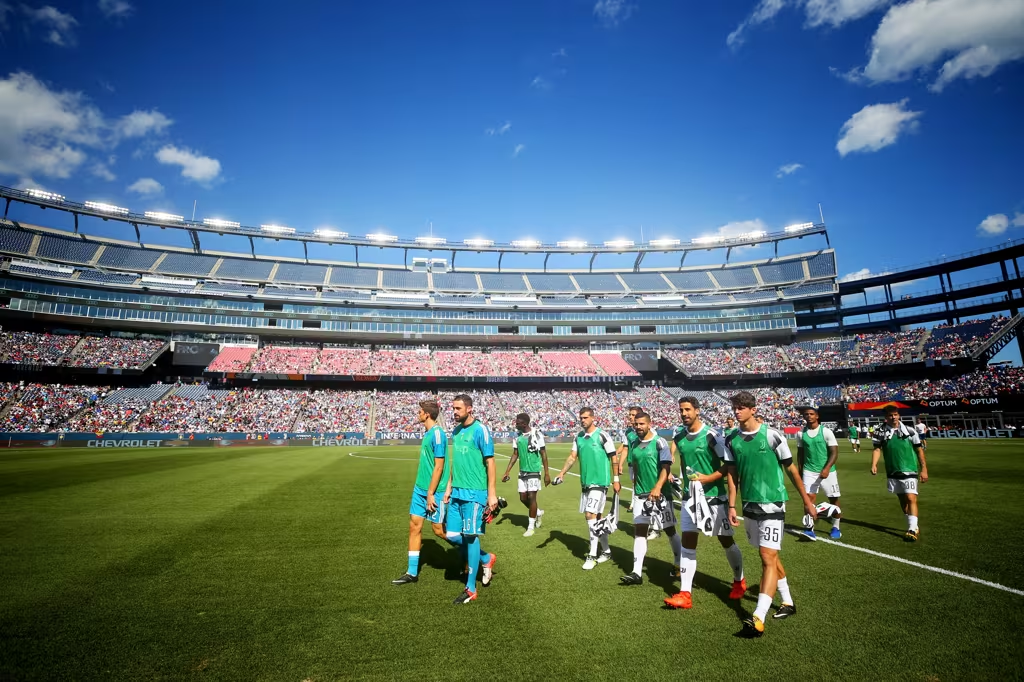
Figure 3. Boston Stadium in Massachusetts, United States. The grass used is the Kentucky bluegrass / Perennial ryegrass blend / fiber (Source: FIFA).
Why Hybrid Turf Is Used
Professional soccer places tremendous stress on the playing surface.
Repeated acceleration, cutting, and sliding actions can damage even the highest-quality turf.
Hybrid reinforcement helps address these challenges by improving:
- Surface stability
- Shear strength
- Resistance to divoting
- Turf longevity
- Consistency under heavy traffic
Many of the world’s leading stadiums now utilize hybrid technologies because they provide a balance between natural grass performance and enhanced durability.
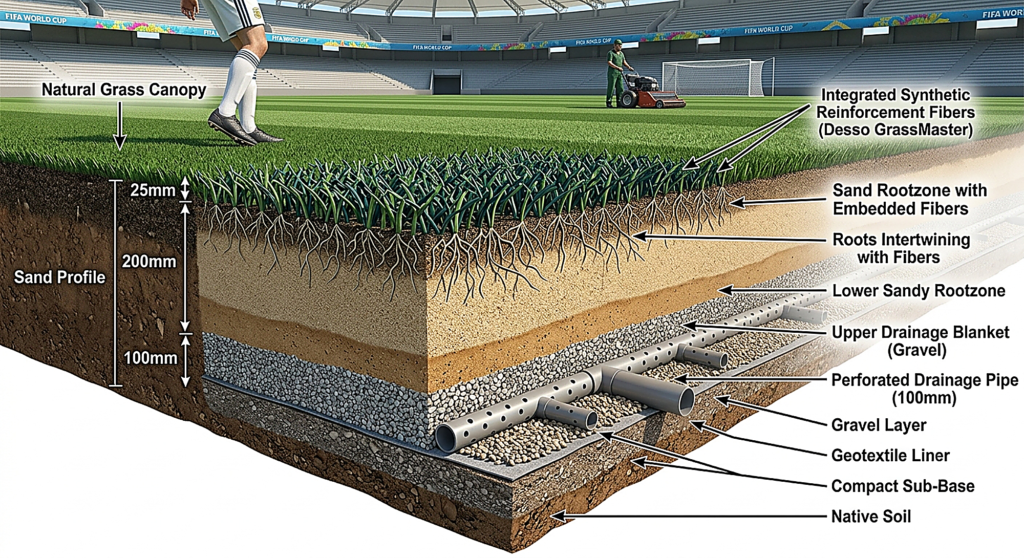
Figure 4: Hybrid Soccer Field Construction Profile Used in Modern FIFA Stadiums
Benefits for Player Safety
A stable surface contributes directly to player confidence and field consistency.
While no grass system can eliminate injuries, maintaining uniform footing and predictable surface behavior remains a fundamental objective of sports turf management.
Irrigation Challenges Across FIFA World Cup 2026 Host Cities
Selecting the right grass species is only part of the equation.
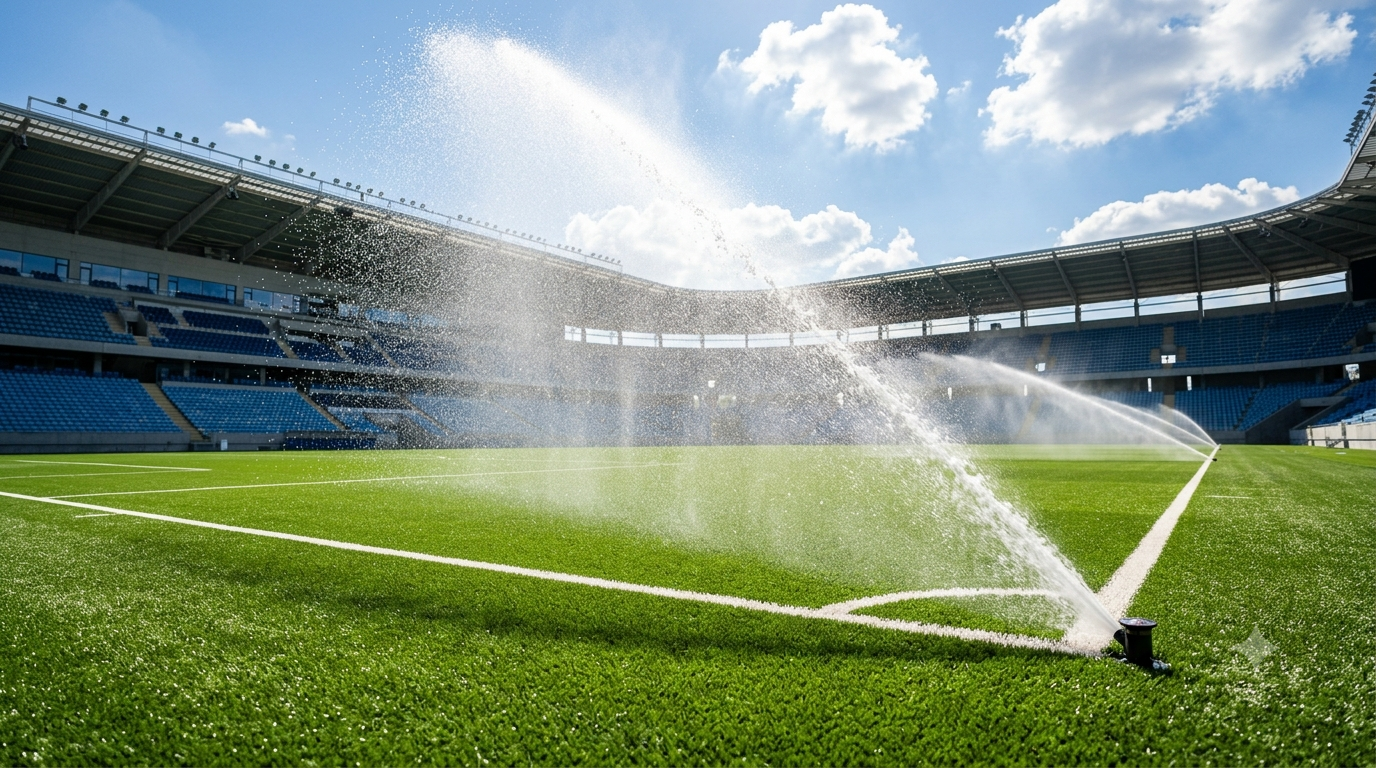
Maintaining that grass requires sophisticated irrigation management adapted to local environmental conditions.
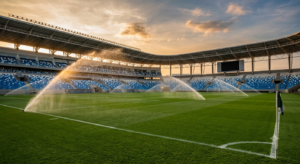
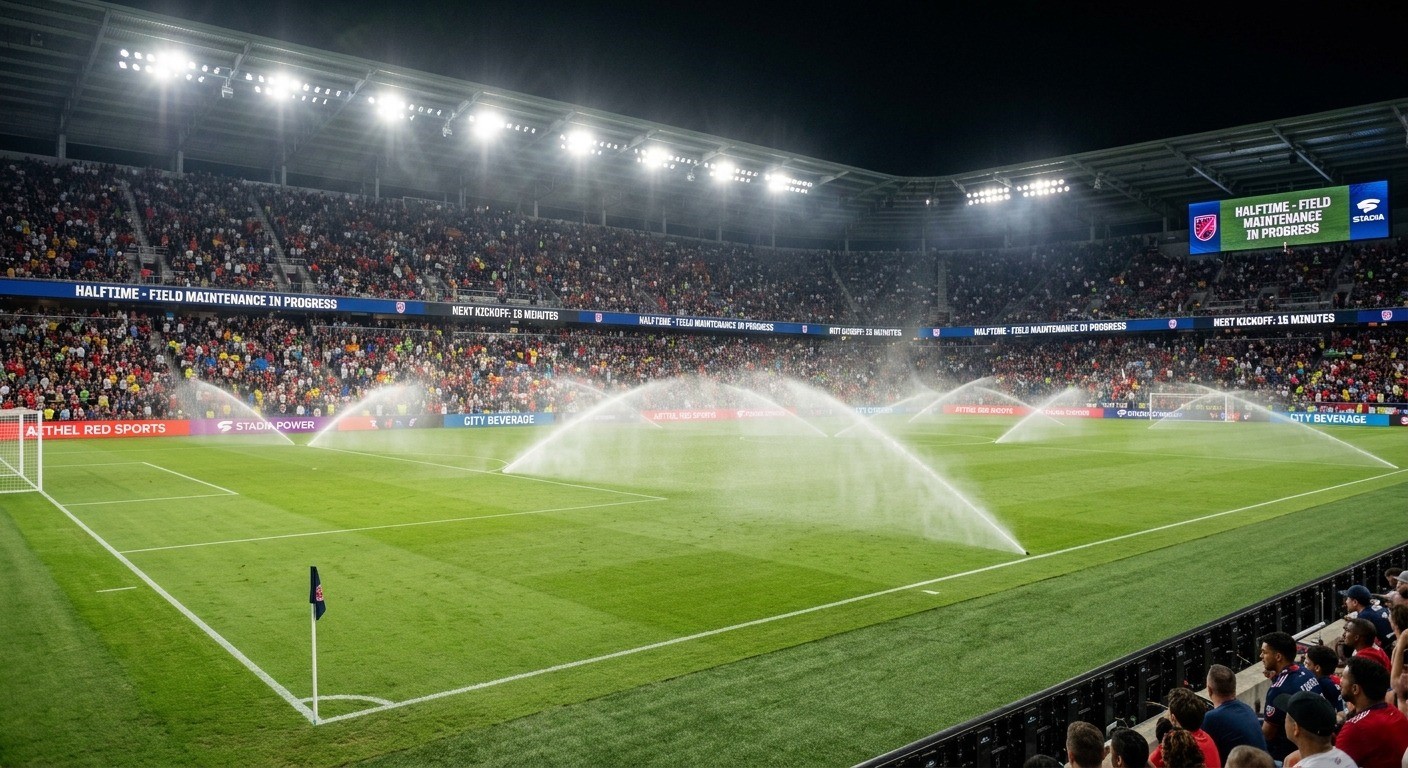
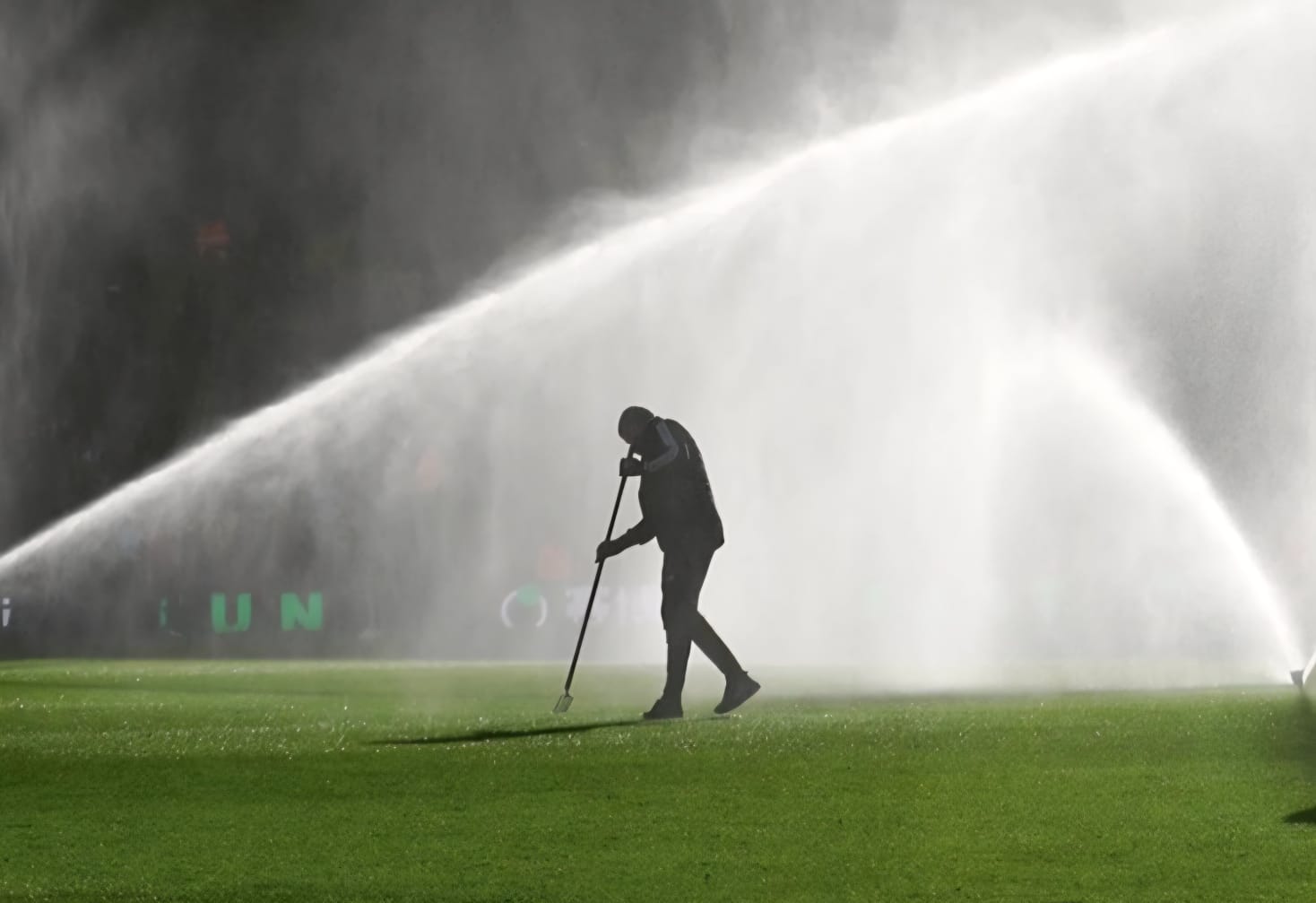
Figure 5. Precision Irrigation System Operating on a Soccer Field.
Texas and the Southern United States
Warm temperatures and high evapotranspiration rates increase water demand.
Sports turf managers must carefully monitor:
- Soil moisture
- ET replacement
- Rootzone moisture distribution
- Irrigation uniformity
Florida
Humidity levels are high, but turf can still experience moisture stress.
Managers must balance water applications while minimizing excessive surface wetness that may encourage disease pressure.
Canada
Cooler temperatures generally reduce water requirements.
However, irrigation remains critical during periods of high traffic and summer heat events.
Mexico City
Mexico City’s elevation presents unique challenges.
At more than 7,000 feet above sea level, environmental conditions differ significantly from other tournament venues.
Managing turfgrass under these conditions requires careful attention to irrigation scheduling, plant health, and recovery capacity.
Smart Irrigation Technologies Supporting Elite Turf
Modern sports field management increasingly relies on technology.
Several tools help improve irrigation efficiency and field performance.
Soil Moisture Sensors
Sensors provide real-time information about water availability in the rootzone, helping managers avoid both overwatering and drought stress.
Weather Stations
On-site weather stations monitor:
- Temperature
- Humidity
- Solar radiation
- Wind speed
- Rainfall
These measurements improve irrigation scheduling decisions.
ET-Based Irrigation Management
Evapotranspiration-based scheduling estimates how much water turfgrass loses through evaporation and plant use.
Managers can then replace only the water needed to maintain optimal field conditions.
Distribution Uniformity (DU)
Distribution Uniformity measures how evenly water is applied across a field.
Even the most advanced turfgrass variety will struggle if irrigation coverage is inconsistent.
Maintaining high DU values remains one of the most important goals in sports field irrigation.
What Sports Turf Managers Can Learn from FIFA’s Approach
The World Cup provides valuable lessons for sports turf professionals at every level.
The most important takeaway is that successful fields result from systems, not individual products.
High-performing sports turf combines:
- Appropriate grass selection
- Well-designed rootzones
- Uniform irrigation
- Data-driven management
- Proper drainage
- Ongoing performance monitoring
Whether managing a professional stadium, university field, or municipal complex, these principles remain the foundation of successful sports turf programs.
FAQ
What grass will be used at FIFA World Cup 2026 stadiums?
FIFA’s approach uses both warm-season and cool-season turfgrass systems. Bermudagrass is expected to be prominent in warmer climates, while Kentucky bluegrass-based systems are suited to cooler regions.
Why isn’t the same grass used in every stadium?
Climate, temperature, sunlight availability, and growing conditions vary significantly among host cities. Different turf species perform best under different environmental conditions.
What is sod-on-plastic technology?
Sod-on-plastic is a production method that creates stronger sod by encouraging lateral root growth above a plastic barrier, improving installation and establishment performance.
What is a hybrid turf system?
Hybrid turf combines natural grass with synthetic reinforcement fibers integrated into the rootzone to improve stability and durability while preserving natural grass playability.
How important is irrigation to World Cup field quality?
Irrigation is critical. Proper water management supports turf health, playing consistency, recovery, and overall field performance throughout the tournament.
Final Thoughts
The FIFA World Cup 2026 represents one of the most sophisticated sports turf projects ever undertaken. By combining advanced Bermudagrass cultivars, Kentucky bluegrass systems, hybrid reinforcement technologies, sod-on-plastic production methods, and modern irrigation management, FIFA aims to deliver consistent playing surfaces across an unprecedented range of climates and stadium environments.
For sports turf managers, the tournament serves as a valuable case study in how turfgrass science, irrigation engineering, and field performance management work together to create world-class playing conditions.
Further Reading and Research Sources
University of Tennessee Center for Athletic Field Safety
A leading authority in sports field performance, player-surface interaction, and athletic field safety research.
Michigan State University Turfgrass Program
One of the most respected turfgrass research programs in the world, with extensive work in sports turf management and athletic field performance.
FIFA Pitch Research and Development
FIFA continues to support research into playing surface performance, turfgrass technologies, and field preparation standards for international competitions.
USGA Green Section
A valuable source of information on irrigation management, soil physics, drainage, and turfgrass performance that applies to many sports turf environments.
Editorial Note
This article was developed using publicly available information from FIFA, university turfgrass research programs, sports turf industry publications, and established agronomic best management practices.
Related Reading
If you found this article useful, you may also enjoy our detailed guide to sod-on-plastic technology and its role in modern sports turf production: https://www.turfwaterpro.com/sod-grown-on-pla…f-tech-explained/