
Sod Grown on Plastic: The Turf Technology Powering the 2026 World Cup Stadiums
For decades, stadium managers have faced an uncomfortable trade-off: host a concert or a non-sporting event, and you risk handing your athletes a chewed-up, uneven playing surface for the next match. Natural grass is unmatched in performance and player safety, but it doesn’t recover overnight from 60,000 concertgoers standing on it for six hours.
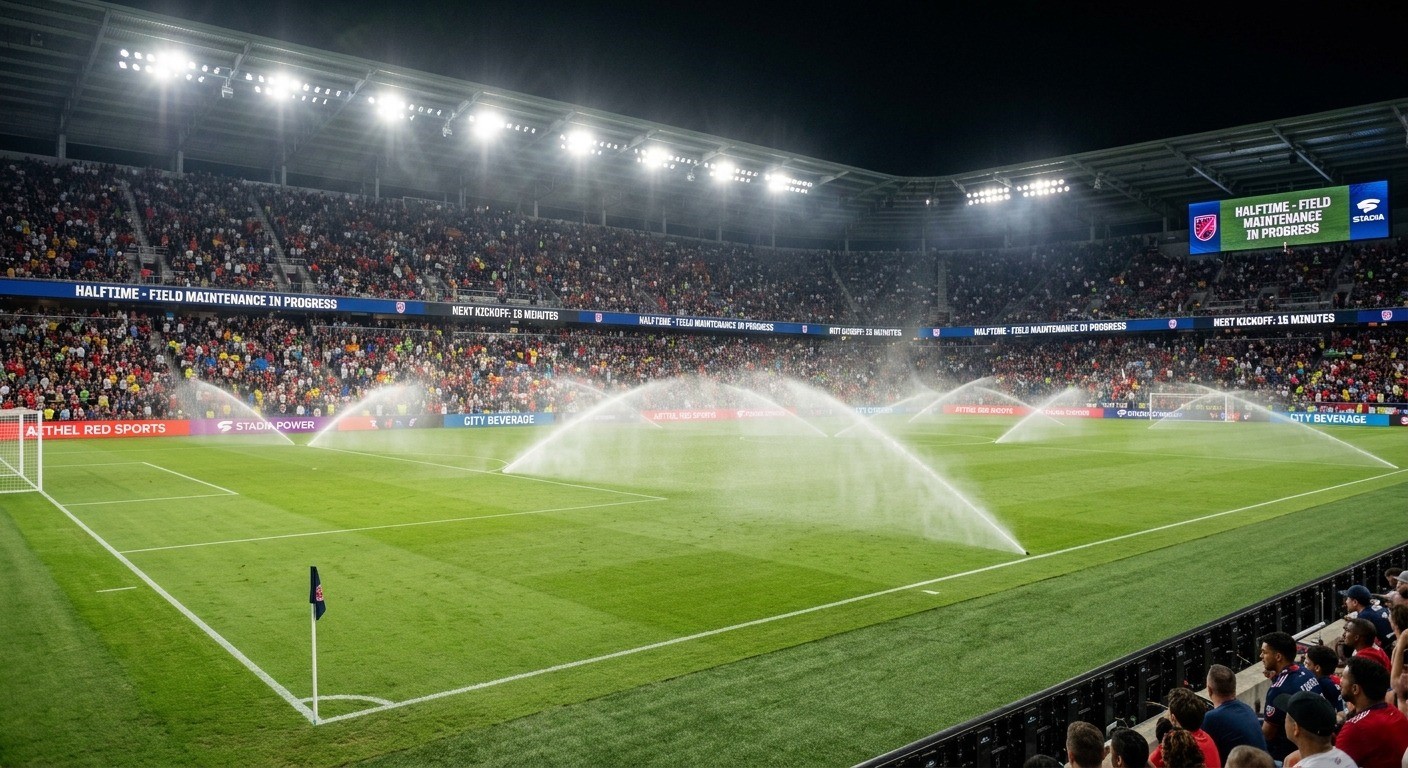
A technology called Sod Grown on Plastic (SOP) is closing that gap — and it’s already running in 14 of the 16 stadiums hosting the 2026 FIFA World Cup. Instead of choosing between revenue-generating events and tournament-ready turf, venues using SOP can now do both, swapping out an entire natural grass field in a matter of hours.
This article breaks down how the technology works, why it matters for irrigation and turf management specifically, and what it signals about where stadium-grade natural turf is heading.
What Is Sod Grown on Plastic (SOP)?
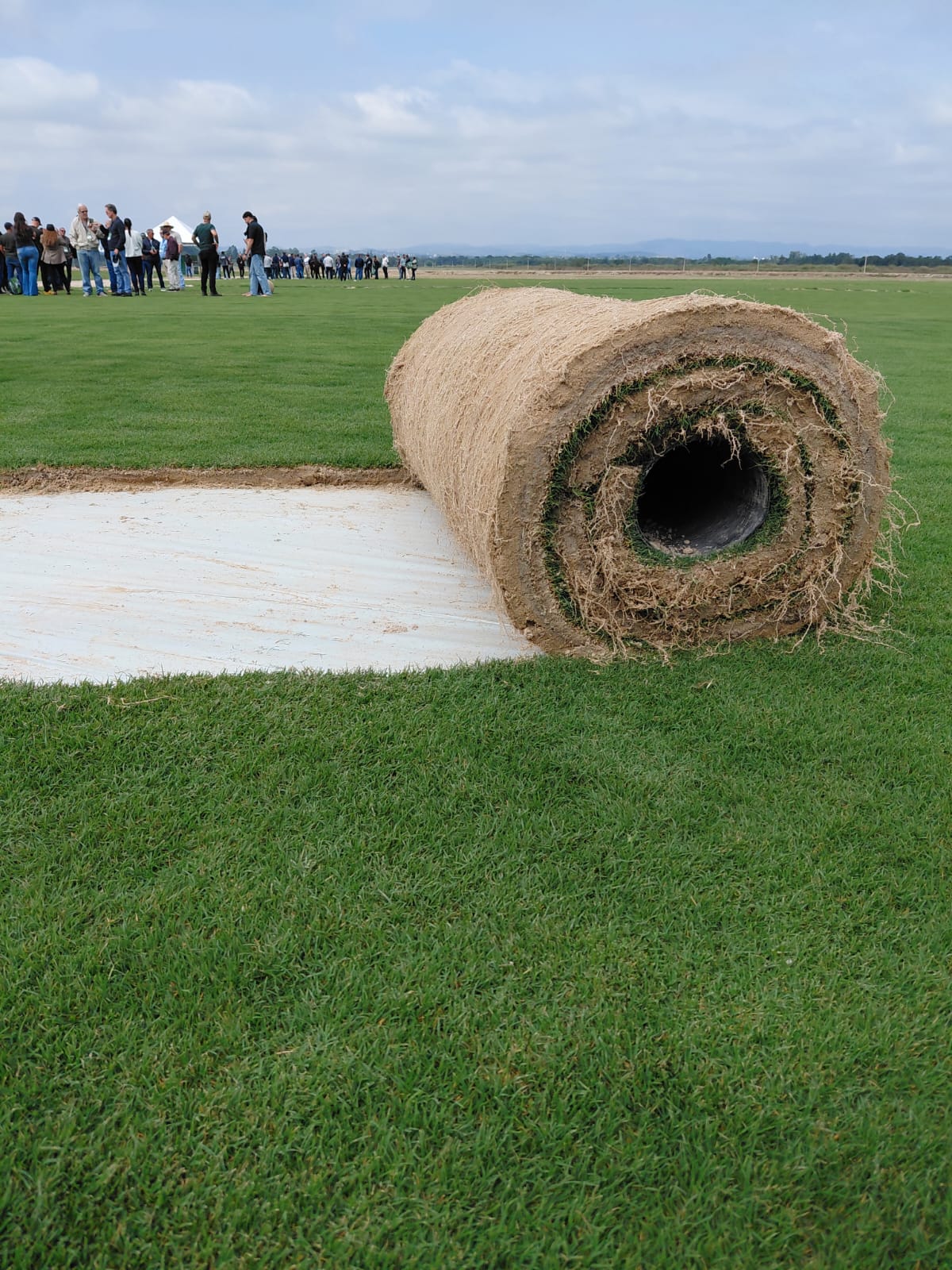
SOP is a sod production method developed by Chad Price, co-founder of Carolina Green, and marketed in the U.S. under the name GameOnGrass. The core idea is straightforward but agronomically clever: natural turfgrass is grown not directly in native soil, but on top of an impermeable membrane layered over a sand-based growing medium.
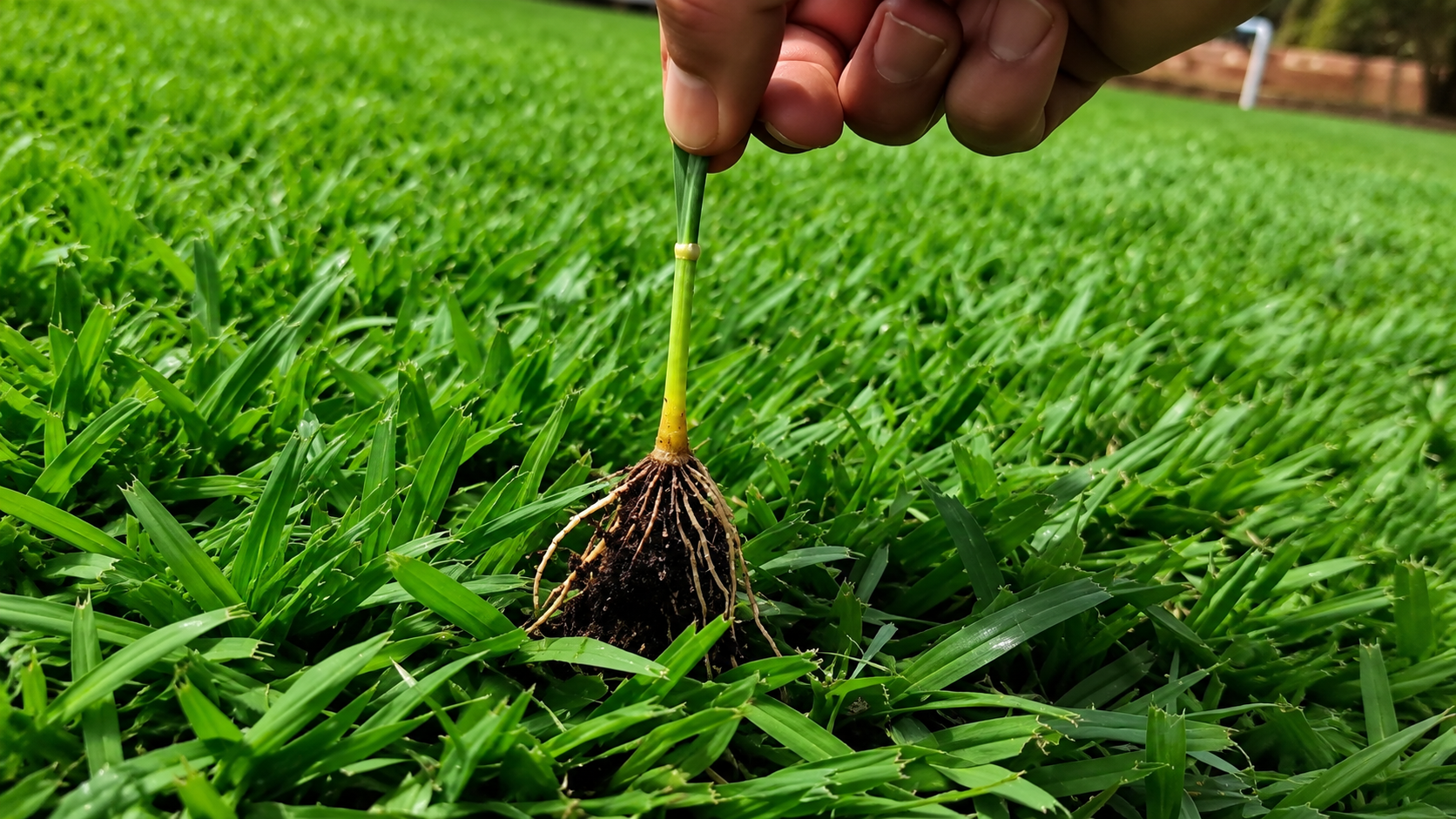
That impermeable layer changes everything about how the root system behaves. Instead of roots spreading downward indefinitely into native soil, they’re forced to concentrate and interlock laterally just above the membrane. The result is a dense, self-contained root mat strong enough to be lifted, rolled, transported, and reinstalled as a nearly complete playing surface — with little to no settling-in period required before it can handle full athletic load.
In practical terms, a grounds crew can remove a worn-out or concert-damaged field and have a fresh, tournament-ready natural grass surface down and playable within hours rather than the days or weeks traditional re-sodding requires.
Why World Cup Stadiums Are Racing to Adopt It
According to Price, demand exploded almost immediately after the first large-scale installations proved viable. Once venues saw that a field could be swapped, played on, and swapped again without the usual recovery window, the production side has reportedly struggled to keep pace with orders.
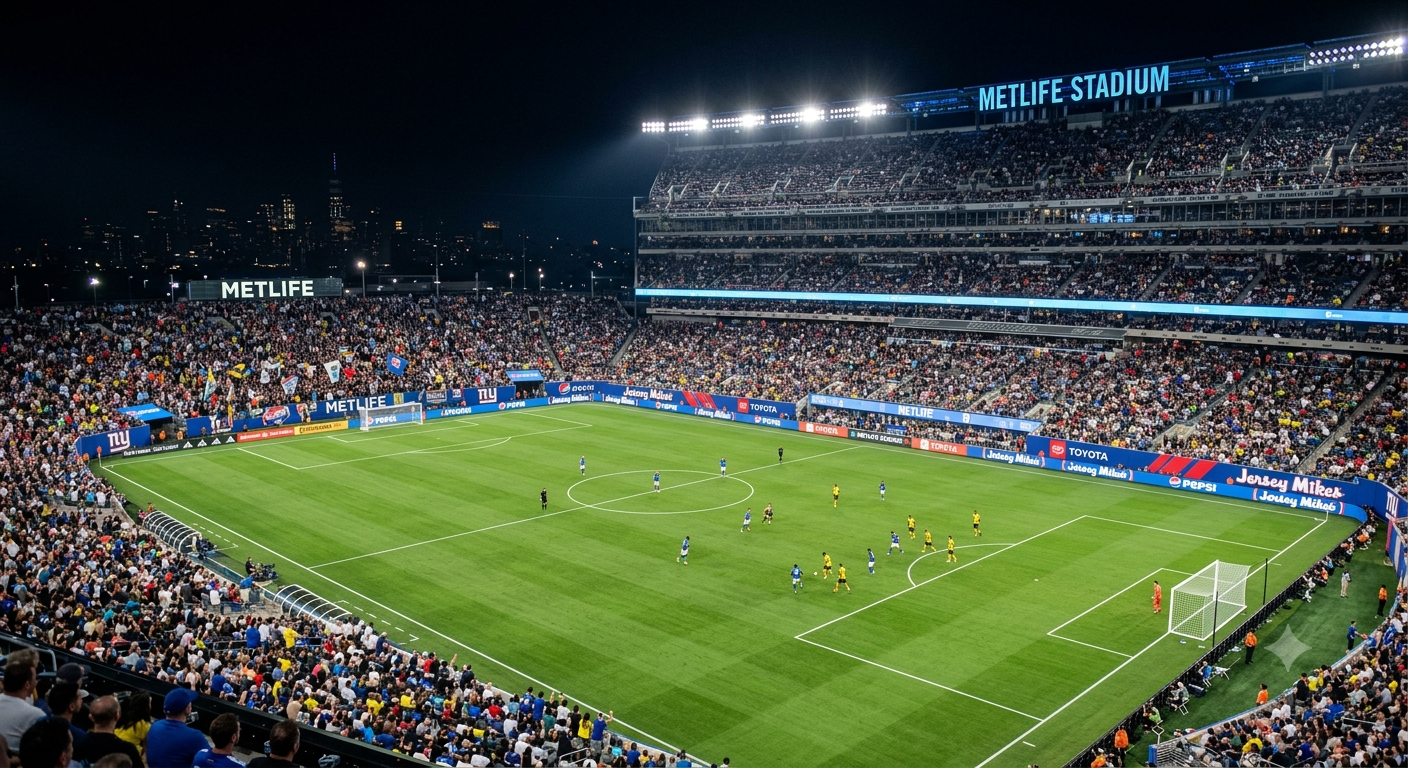
The technology is currently in use at several major NFL venues that double as World Cup hosts, including MetLife Stadium, Arrowhead Stadium (Kansas City Chiefs), FedEx Field (Washington Commanders), M&T Bank Stadium (Baltimore Ravens), and Soldier Field in Chicago. For these multi-purpose venues, the appeal isn’t just agronomic — it’s financial. Being able to book a concert on Saturday, replace the turf, and host an official match on Monday opens a revenue stream that was previously off the table for venues trying to protect field quality.
The Irrigation and Agronomic Science Behind the Rapid Swap
This is where SOP gets interesting from a turf irrigation and root-zone management perspective, rather than just a stadium-operations one.
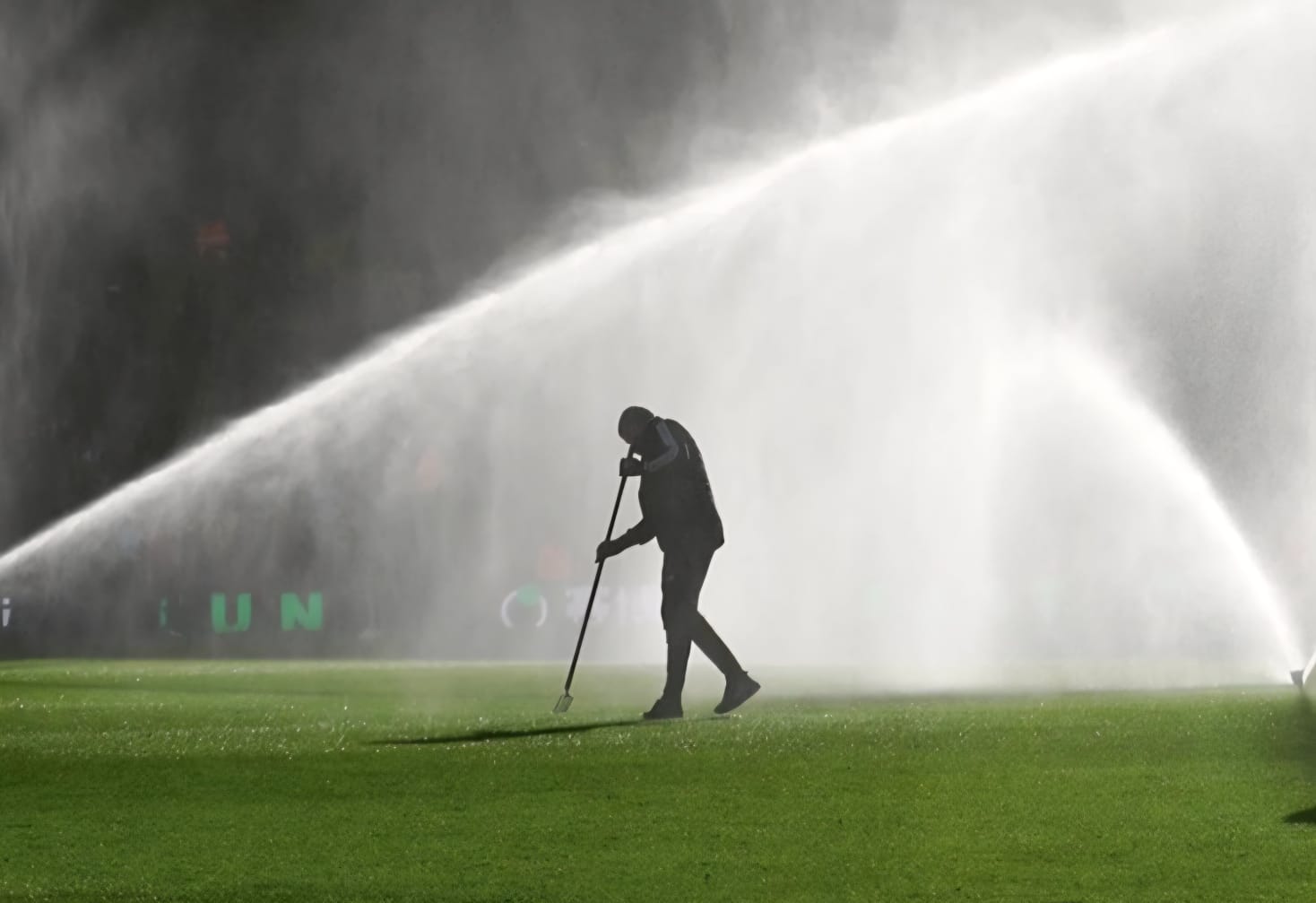
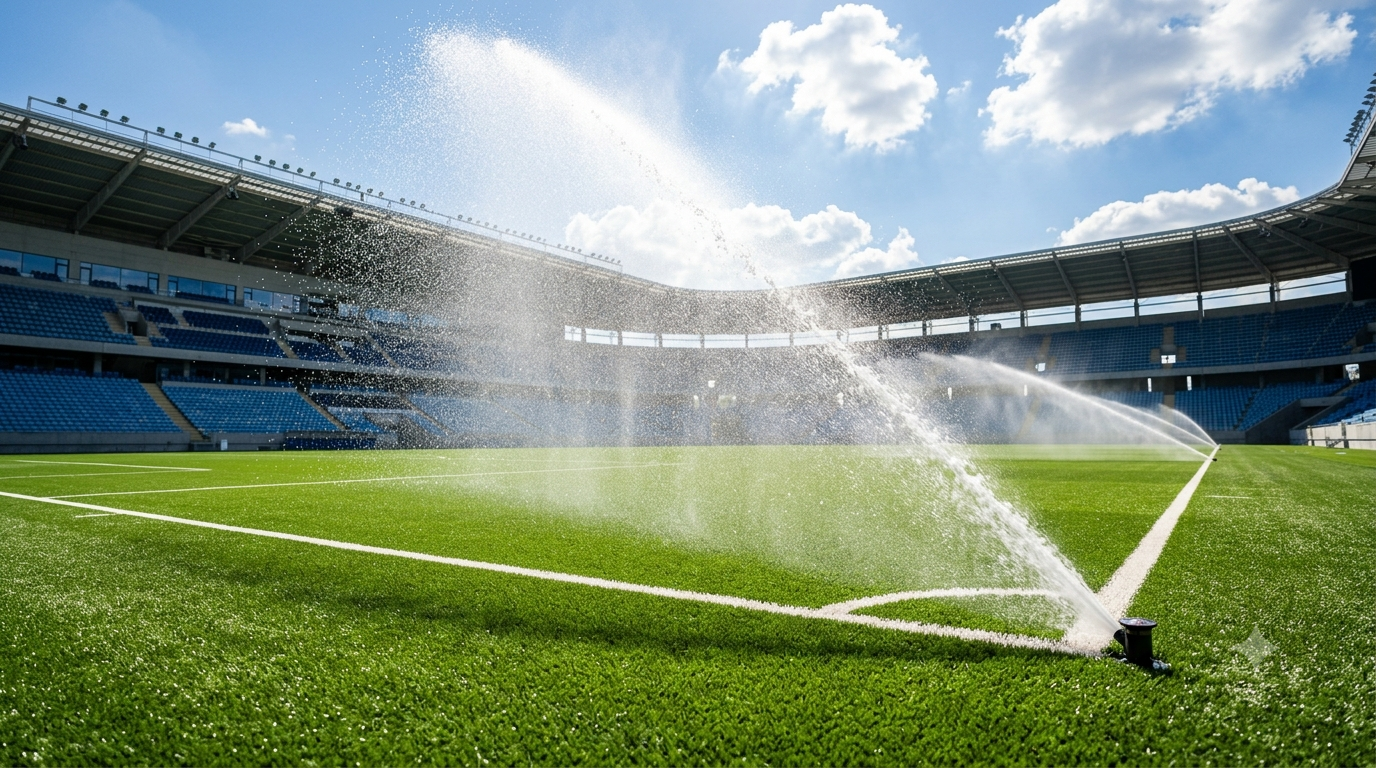
Growing turf on an impermeable base fundamentally changes water and drainage dynamics. Because water can’t percolate downward past the membrane the way it would in a native soil profile, growers and turf farms producing SOP sod need tightly controlled irrigation scheduling and uniform distribution to avoid waterlogging the root zone before harvest. The denser, shallower root mat that makes the sod transportable also means it has less buffering capacity against both under- and over-irrigation during production — the margin for error in moisture management is smaller than with conventionally grown sod.
Once installed in the stadium, that same root density is what allows near-immediate play: a thick, interlocked mat resists tearing and divoting better than a newly laid, loosely rooted traditional sod would. But it also means post-installation irrigation has to re-establish a normal infiltration pattern quickly, since the turf is being asked to perform at full athletic load almost immediately rather than after the usual multi-week establishment period.
For irrigation professionals and turf managers, SOP is a reminder that root-zone engineering and irrigation design aren’t separate problems — they’re the same problem viewed from different angles.
Brazil’s Version: Itograss and the Play On Time System
The trend isn’t confined to U.S. venues. In Brazil, turf producer Itograss recently launched its own version of the concept under the name Play On Time. According to Rodrigo Santos, coordinator of Itograss’s Sports Turf and Innovation Center, the system’s differentiator is a denser, more interlocked root block formed during production, which the company says improves structural stability and drainage efficiency from cultivation through installation.
The headline figure: while some comparable systems require two to three days before the new turf can be used, Play On Time is reportedly playable within hours of installation — positioning it as a direct, locally produced alternative for clubs and training centers that want the benefits of rapid-swap natural turf without importing the technology.
What This Means for Turf Managers and Stadium Operators
Travis Hogan, director of grounds management for the Kansas City Chiefs, summarized the operational upside simply: a stadium can host a game on Sunday, a concert on Saturday, swap the field, and be ready to play again on Monday. That kind of turnaround was effectively impossible with conventional natural turf re-sodding timelines.
For venue operators, this turns natural grass from a scheduling constraint into a flexible asset. For turf and irrigation professionals, it raises the bar on what “establishment period” even means — and puts a premium on precision moisture management both at the sod farm and immediately after installation.
The Bigger Picture: Natural Grass Holds Its Ground
The debate between natural and synthetic turf in elite stadiums has been ongoing for years, largely driven by exactly this tension — venues wanting more flexible scheduling without sacrificing the performance and safety profile that natural grass provides for athletes. SOP and systems like Play On Time don’t end that debate, but they shift it. They suggest that the answer to “natural grass or more events” doesn’t have to be either/or — it can be better root-zone engineering and irrigation control.
As more of these systems get a real-world stress test during the 2026 World Cup, expect rapid-swap natural turf to move from a novelty at a handful of NFL stadiums to a standard consideration for any multi-use venue weighing its field strategy.
Frequently Asked Questions
What is Sod Grown on Plastic (SOP)? SOP is a sod production technique where natural turfgrass is grown over an impermeable membrane and sand base, concentrating the root system into a dense mat that can be transported and installed as a near-complete playing surface, ready for use within hours.
How long does it take to install SOP turf in a stadium? Unlike traditional re-sodding, which typically requires days to weeks for establishment, SOP and comparable systems like Play On Time can be playable just a few hours after installation.
Which World Cup 2026 stadiums use this technology? As of now, the technology is in use at 14 of the 16 World Cup 2026 host venues, including MetLife Stadium, Arrowhead Stadium, FedEx Field, M&T Bank Stadium, and Soldier Field.
Is this technology available outside the United States? Yes. In Brazil, Itograss has launched its own version called Play On Time, designed for stadiums and training centers seeking the same rapid-turnaround benefits.
Does this replace the need for normal turf irrigation management? No — if anything, it raises the stakes. Producing and maintaining SOP turf requires precise irrigation scheduling both during sod production and immediately after installation, since the root zone has less buffering capacity than conventionally grown turf.
Found this useful? Subscribe to TurfWaterPro for breaking turf technology and irrigation management coverage — and check our recommended tools page for the irrigation and soil-moisture monitoring equipment we use and trust