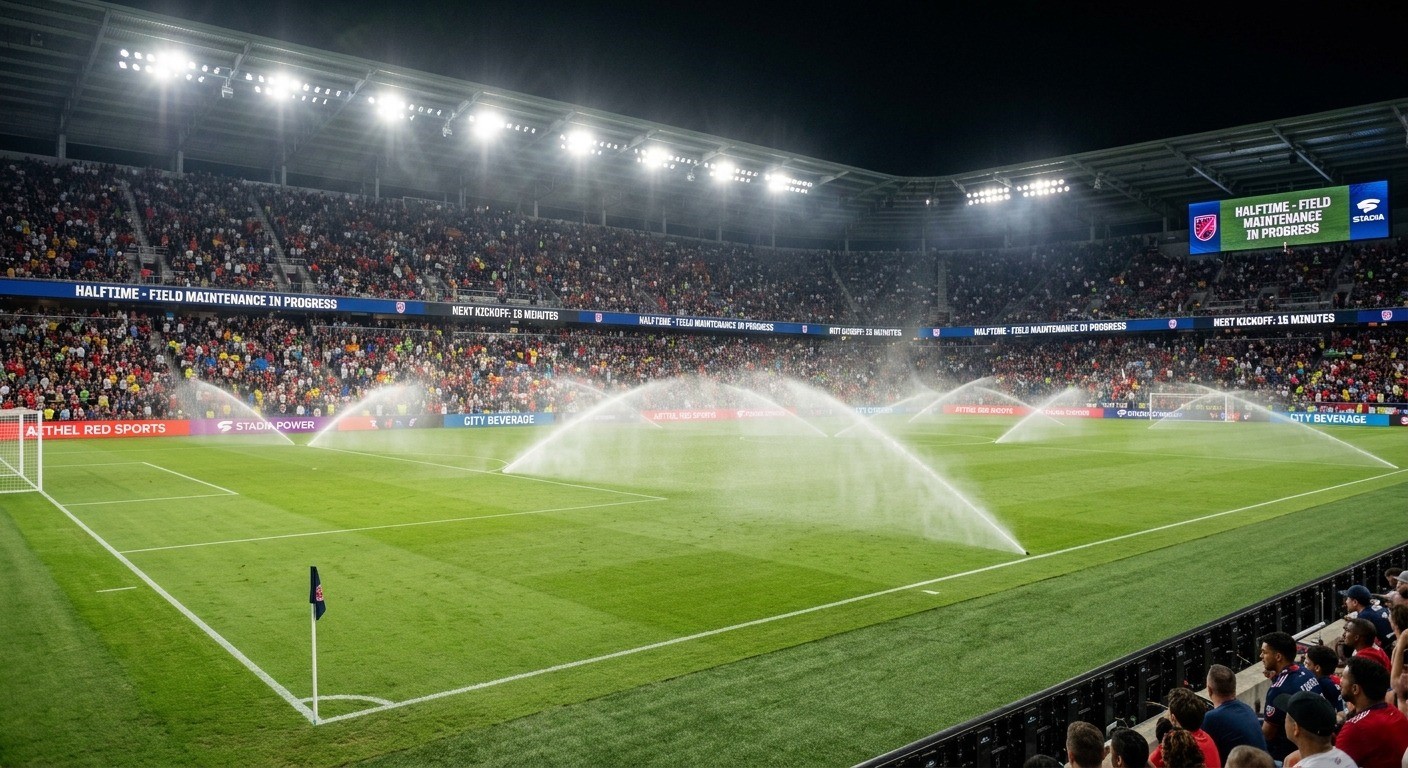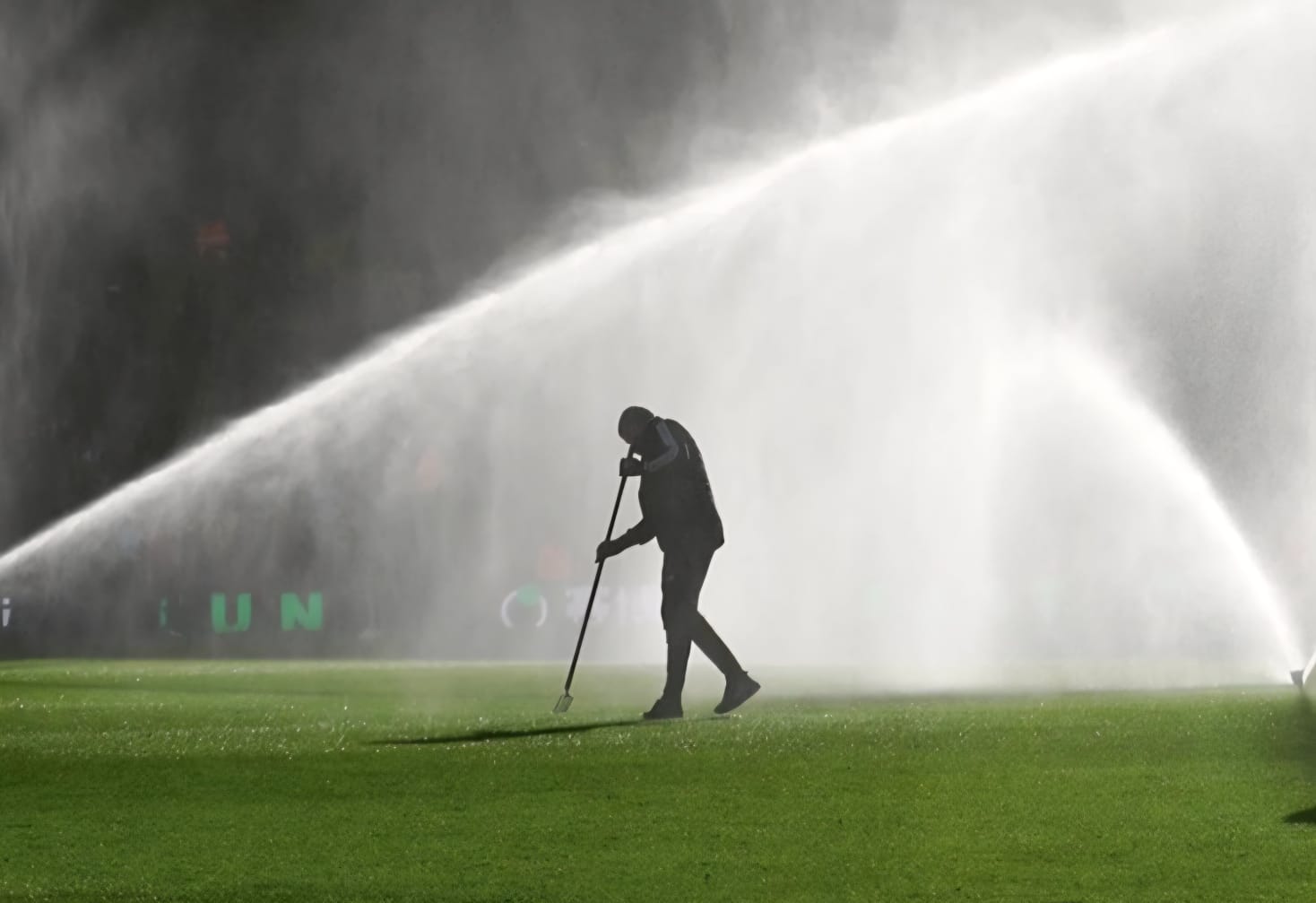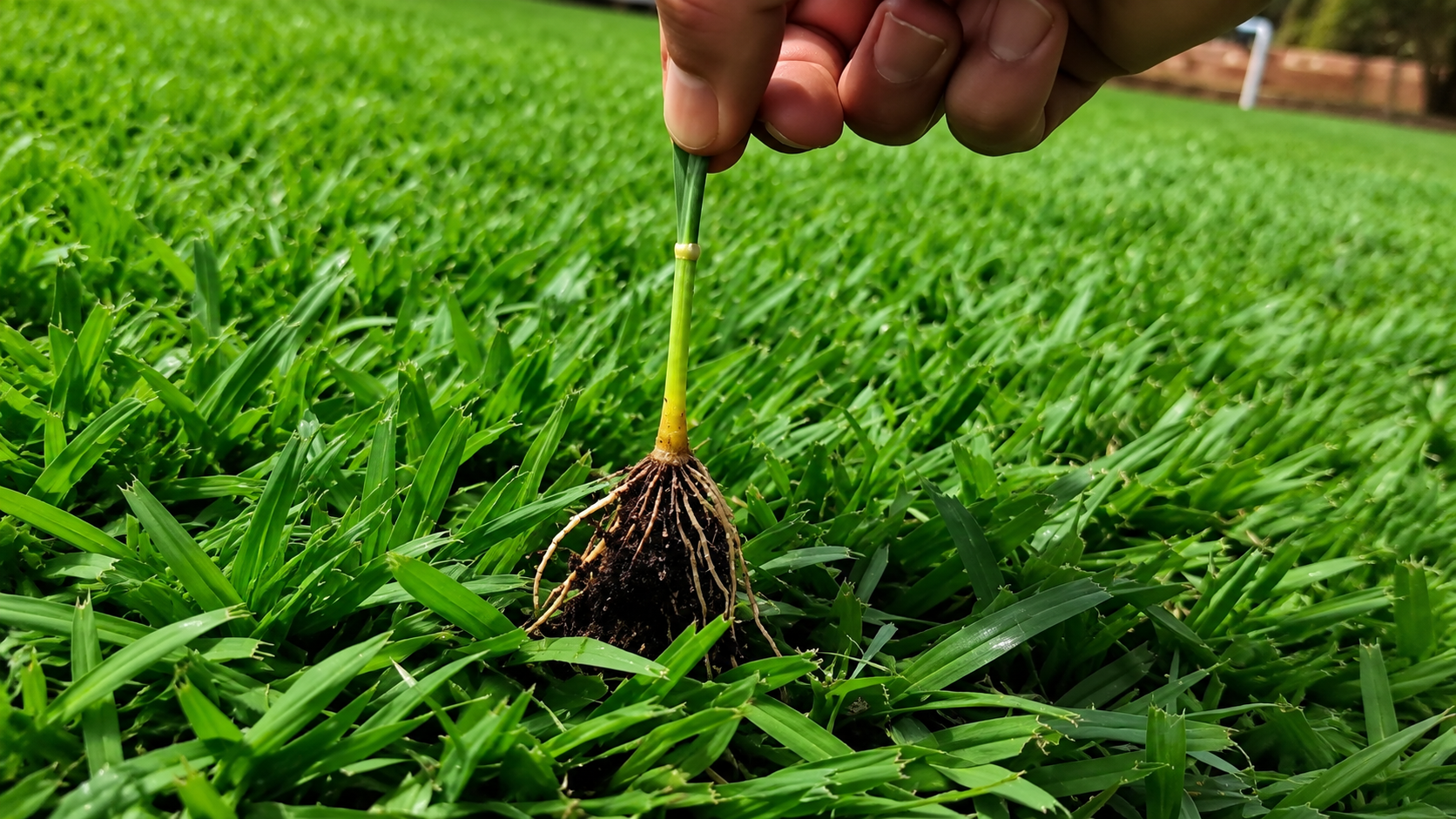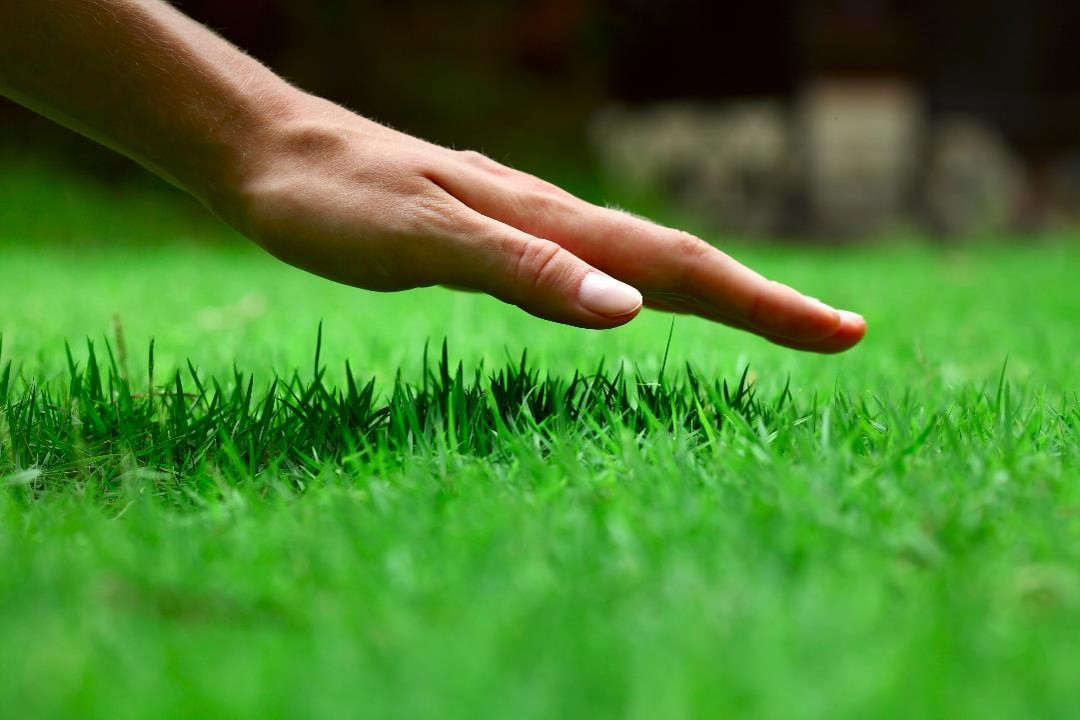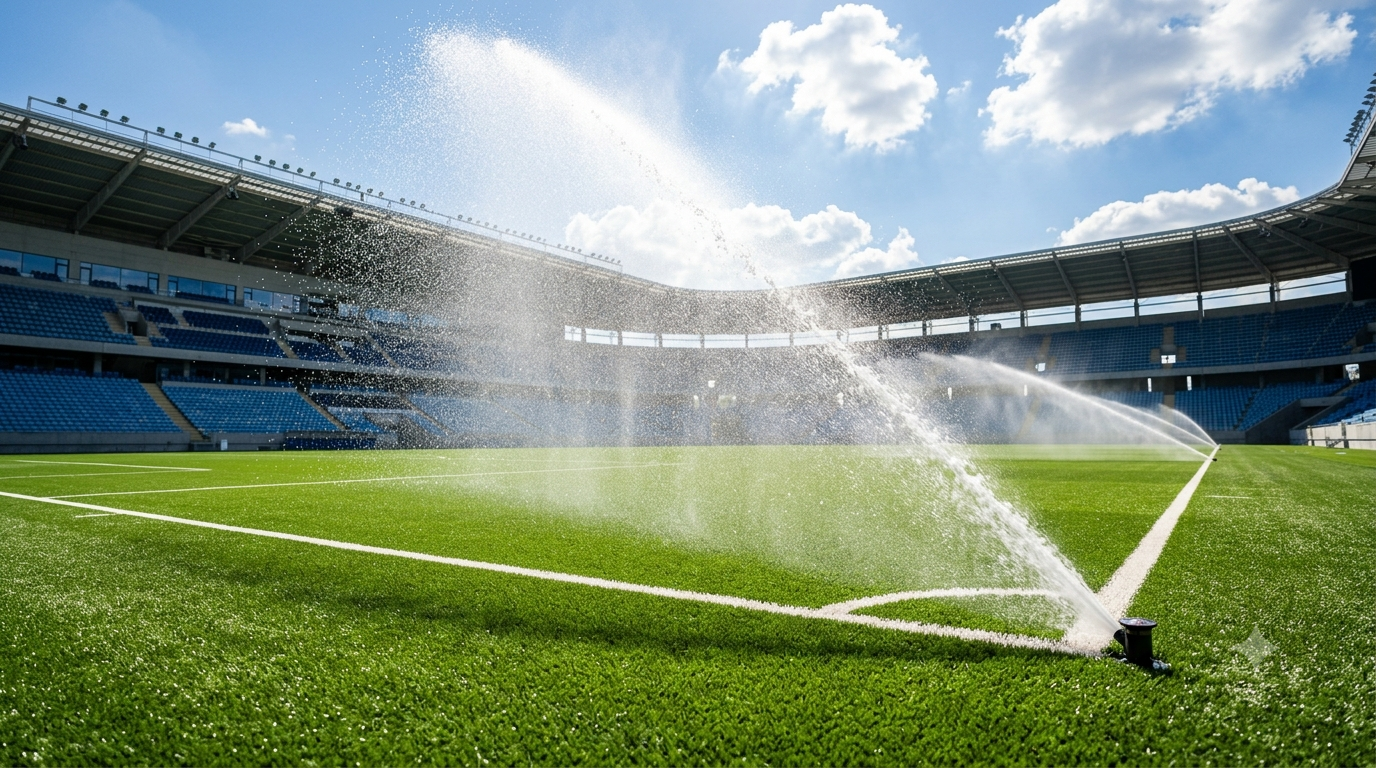


Why Irrigation Scheduling Matters
Irrigation scheduling is one of the most important factors affecting sports turf performance. Proper scheduling influences turf quality, player safety, field consistency, root development, disease pressure, and overall water-use efficiency.
However, many sports turf managers, groundskeepers, and irrigation professionals still rely on outdated watering practices that can lead to overwatering, drought stress, poor playing conditions, and unnecessary water waste.
As water resources become increasingly valuable and environmental regulations continue to evolve, adopting a data-driven irrigation strategy is no longer optional—it is essential.
In this article, we’ll explore the most common irrigation scheduling mistakes in sports turf management and discuss practical strategies to improve irrigation efficiency while maintaining healthy, high-performance playing surfaces.
What Are the Most Common Irrigation Scheduling Mistakes?
The most common irrigation scheduling mistakes in sports turf management include:
- Relying on fixed schedules instead of field conditions.
- Ignoring soil type and root zone characteristics.
- Overwatering as a precaution.
- Failing to adjust for weather changes.
- Overlooking irrigation system uniformity.
- Not monitoring soil moisture levels.
Understanding these mistakes is the first step toward improving turf performance and water management.
1. Relying on Fixed Schedules Instead of Field Conditions
One of the most widespread irrigation mistakes is watering according to a preset calendar rather than actual field conditions.
Many irrigation systems are programmed to run on the same schedule throughout the season, regardless of changes in weather, evapotranspiration (ET), soil moisture, or turfgrass demand.
While fixed schedules are simple to manage, they often result in either excessive irrigation or insufficient watering.
A more effective approach is to base irrigation decisions on:
- Evapotranspiration (ET) rates
- Soil moisture measurements
- Turfgrass appearance and stress indicators
- Recent weather conditions
Data-driven scheduling helps ensure that water is applied only when needed and in the correct amount.
2. Ignoring Soil Type and Root Zone Characteristics
Not all sports fields retain water the same way.
Soil texture, structure, and root zone composition significantly influence irrigation requirements.
For example:
- Sand-based fields drain quickly and often require shorter, more frequent irrigation events.
- Native soil fields generally retain water longer and may benefit from deeper, less frequent applications.
Applying the same irrigation strategy across different soil types can create dry spots, saturated areas, inconsistent playing conditions, and inefficient water use.
Understanding the field’s root zone characteristics is fundamental to effective irrigation scheduling.
3. Overwatering “Just in Case”
Overwatering is one of the most costly and damaging irrigation mistakes.
Many managers apply additional water as a precaution against potential turf stress. While the intention is understandable, excessive irrigation often creates more problems than it solves.
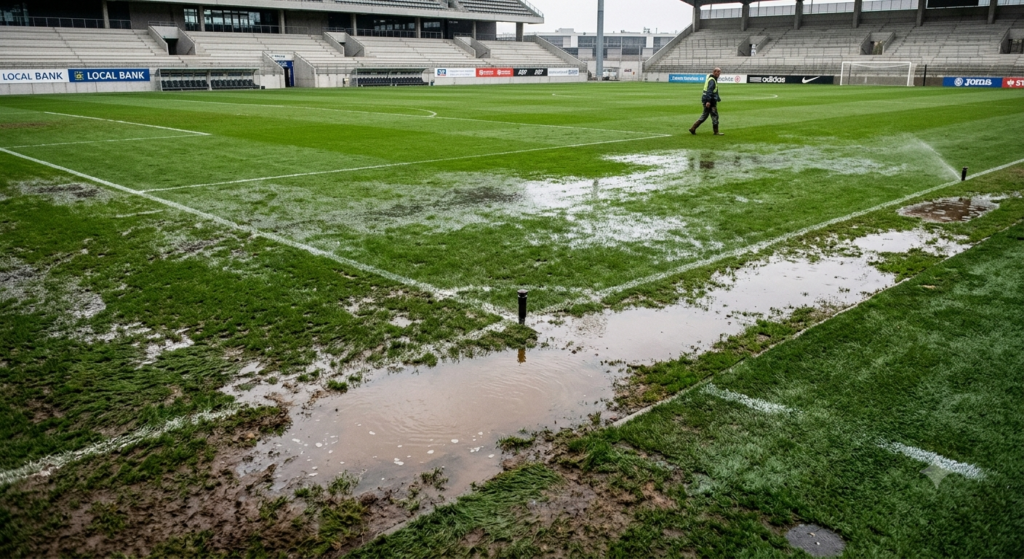
Figure 1. Standing Water on a Sports Field Caused by Excessive Irrigation and Poor Scheduling Practices.
Overwatering can:
- Reduce oxygen availability in the root zone
- Encourage shallow rooting
- Increase disease pressure
- Promote weed invasion
- Create soft and unstable playing surfaces
- Waste significant amounts of water
For example, a soccer field receiving daily irrigation despite adequate soil moisture may develop weak root systems and increased susceptibility to turf diseases.
Precision irrigation consistently outperforms excessive watering.
4. Failing to Adjust for Weather Changes
Weather conditions can change dramatically throughout the growing season.
Temperature fluctuations, rainfall events, humidity levels, wind speed, and solar radiation all influence turf water requirements.
Yet many irrigation schedules remain unchanged for weeks or even months.
Failing to adjust irrigation during:
- Heat waves
- Rainfall periods
- Seasonal transitions
- Cooler weather conditions
can result in substantial water waste and inconsistent turf quality.
Modern weather-based irrigation controllers and on-site weather stations can help managers automatically adjust irrigation schedules based on changing environmental conditions.
5. Overlooking Irrigation System Uniformity
Even a perfectly designed irrigation schedule will fail if water is not distributed uniformly across the field.
Poor distribution uniformity often results from:
- Clogged nozzles
- Worn sprinkler heads
- Pressure variations
- Improper head alignment
- Mechanical failures
These issues create localized dry spots and overwatered areas that can negatively impact both turf quality and playability.
Routine irrigation audits and system inspections should be a regular component of every sports turf maintenance program.
6. Not Monitoring Soil Moisture Levels
Many irrigation decisions are still based solely on visual observations.
While experienced turf managers can identify signs of stress, visual assessment alone often fails to detect moisture conditions before problems occur.
Soil moisture monitoring provides objective data that supports more accurate irrigation decisions.
Using soil moisture sensors can help managers:
- Prevent overwatering
- Identify developing dry areas
- Improve irrigation timing
- Increase water-use efficiency
- Maintain more consistent playing conditions
Combining soil moisture data with ET information creates one of the most effective irrigation scheduling strategies available today.
How to Improve Irrigation Scheduling
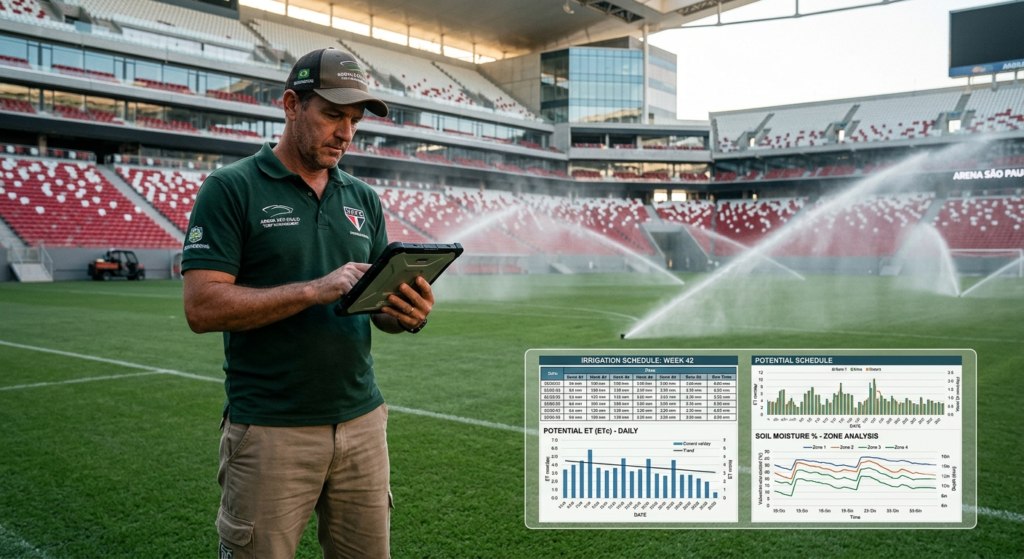
Figure 2. Smart Irrigation Scheduling for Sports Turf: Using Data to Improve Field Performance
Sports turf managers can improve irrigation performance by following a simple data-driven process:
- Monitor local weather conditions and ET rates.
- Measure soil moisture regularly.
- Observe turfgrass performance and stress indicators.
- Inspect irrigation system uniformity.
- Adjust runtimes based on field conditions.
- Review irrigation performance throughout the season.
This approach promotes healthier turf, improved playability, and more efficient water use.
Common Irrigation Mistakes and Solutions
| Mistake | Potential Consequence | Recommended Solution |
|---|---|---|
| Fixed irrigation schedule | Overwatering or drought stress | Schedule based on ET and field conditions |
| Ignoring soil type | Uneven moisture distribution | Match irrigation strategy to root zone characteristics |
| Overwatering | Disease pressure and shallow rooting | Apply water only when needed |
| Ignoring weather changes | Water waste and inconsistent turf | Adjust schedules regularly |
| Poor system uniformity | Dry spots and wet areas | Conduct irrigation audits |
| No soil moisture monitoring | Inaccurate irrigation decisions | Use soil moisture sensors |
Frequently Asked Questions
How often should a sports field be irrigated?
There is no universal schedule. Irrigation frequency depends on turfgrass species, soil type, weather conditions, ET rates, and field usage. Irrigation should be based on field conditions rather than a fixed calendar.
What is the best way to schedule irrigation?
The most effective approach combines evapotranspiration data, soil moisture monitoring, weather information, and regular field observations.
Can overwatering damage sports turf?
Yes. Overwatering can reduce root growth, increase disease pressure, decrease oxygen availability in the soil, and create poor playing conditions.
Are soil moisture sensors worth the investment?
In many situations, yes. Soil moisture sensors provide objective data that can improve irrigation decisions, reduce water waste, and enhance turf performance.
Conclusion
Successful irrigation scheduling requires more than simply operating an irrigation system on a preset timer.
Effective water management depends on understanding evapotranspiration demand, soil moisture conditions, weather patterns, irrigation system performance, and turfgrass response.
By avoiding common irrigation scheduling mistakes and adopting a data-driven approach, sports turf managers can improve turf quality, maintain safer and more consistent playing surfaces, and achieve significant gains in water-use efficiency.
As irrigation technology continues to evolve, combining professional expertise with objective field data will remain one of the most effective strategies for long-term sports turf success.
Related Reading
If you found this article useful, you may also enjoy:
- How Much Water Does a Soccer Field Need Per Week?https://www.turfwaterpro.com/soccer-field-water-needs-weekly/