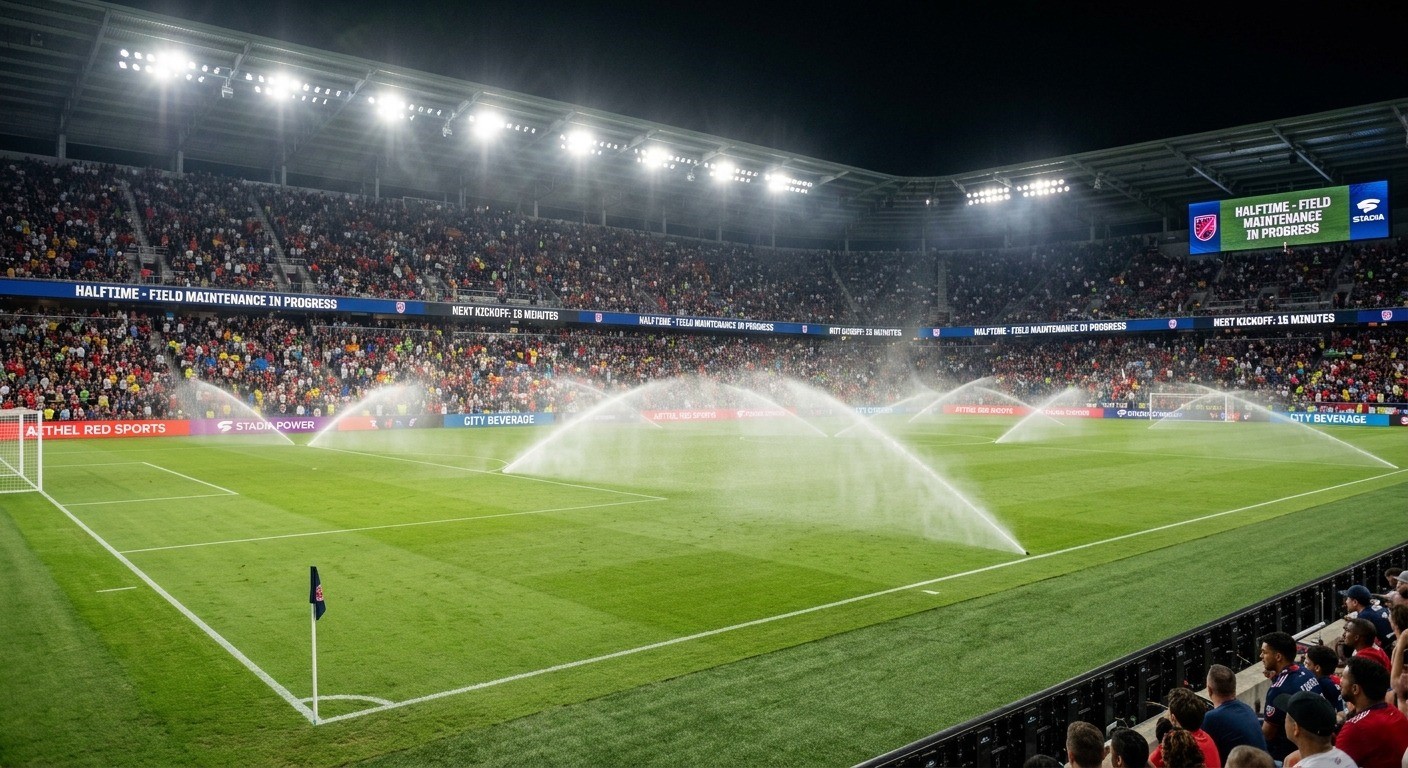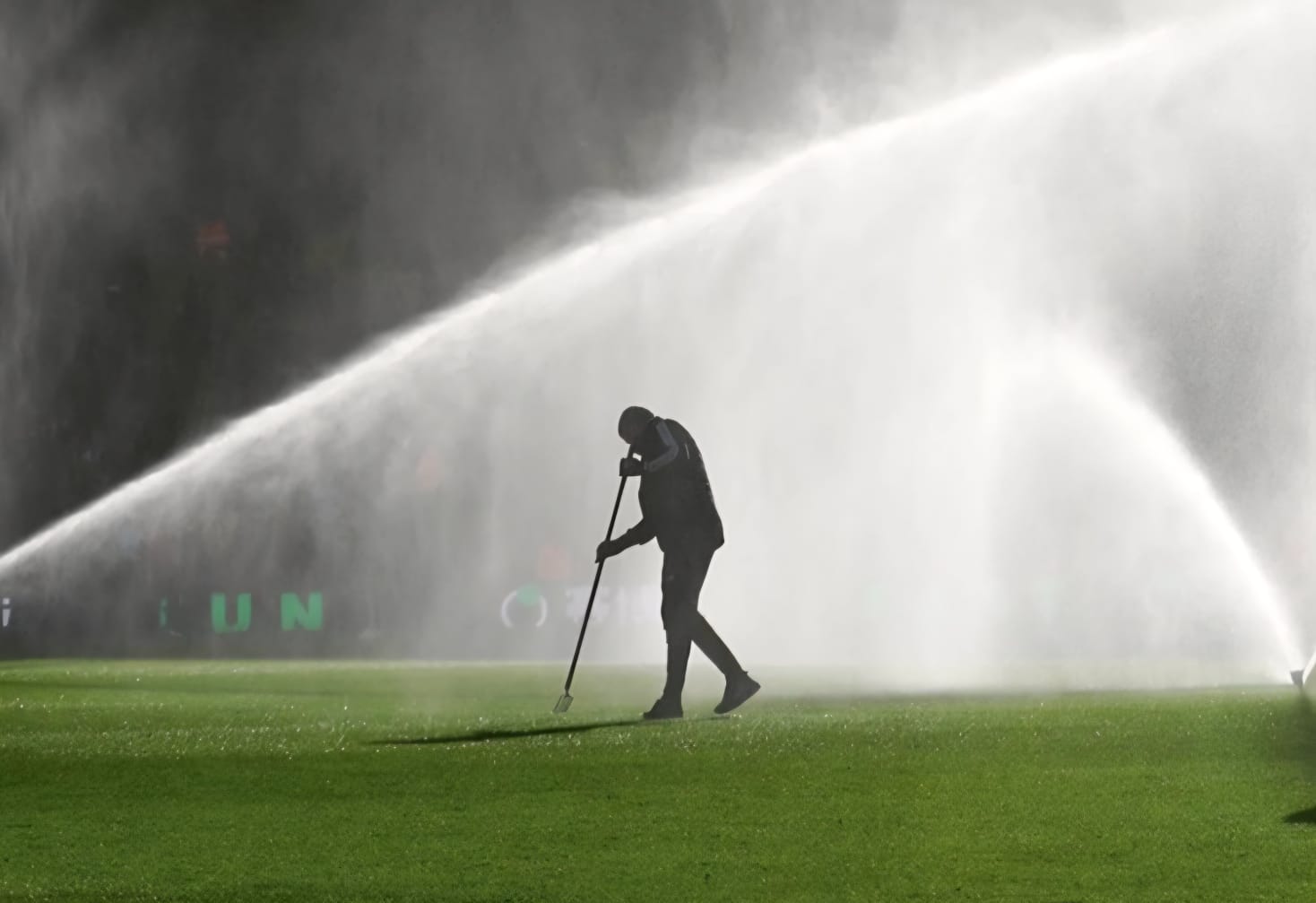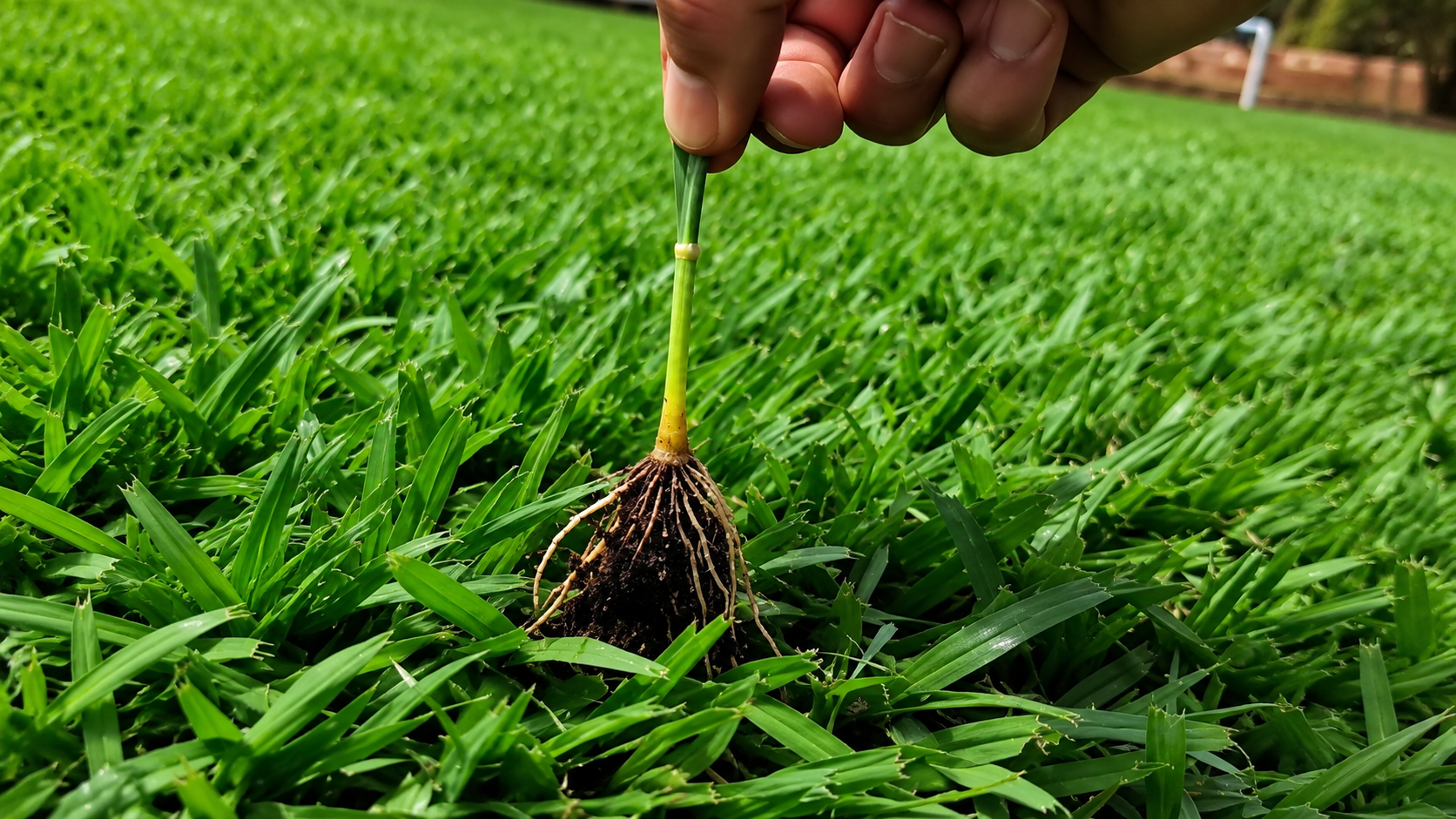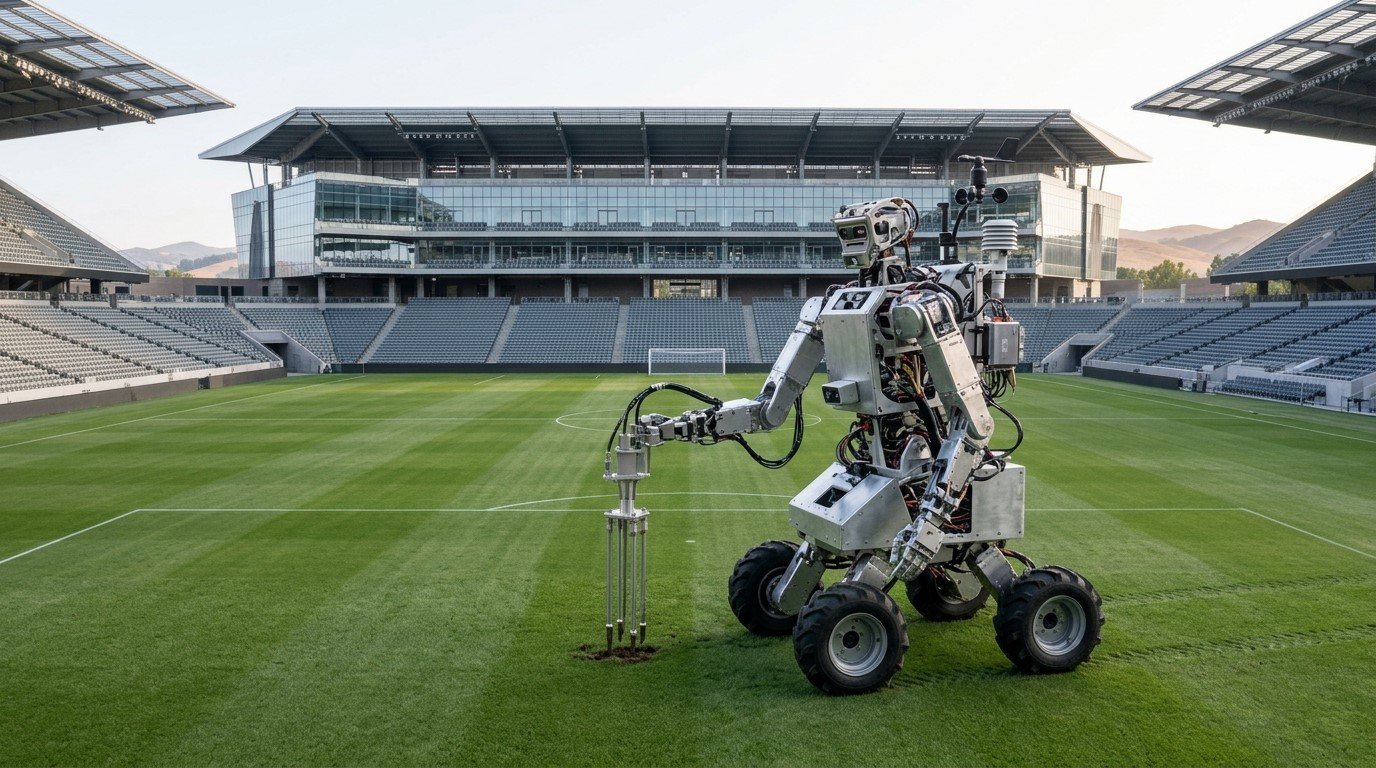


Smart irrigation is changing how sports turf managers make water-management decisions. Rising water costs, tighter restrictions, and increasing expectations for playing-surface quality are driving the adoption of technologies that help determine when, where, and how much to irrigate.
Soil moisture sensors, weather-based controllers, remote sensing, and artificial intelligence (AI) offer new ways to monitor turf conditions and improve irrigation scheduling. However, these technologies do not all measure the same things, and none can compensate for a poorly designed or improperly maintained irrigation system.
Understanding what each tool can do—and where its limitations lie—is essential before investing in smart irrigation technology.
What Is Smart Irrigation?
Smart irrigation uses field measurements, weather information, evapotranspiration (ET) estimates, and automated controls to support more informed irrigation decisions.
For sports fields, the objective is not simply to reduce water consumption. It is to maintain adequate rootzone moisture, promote healthy turf growth, support consistent playing conditions, and minimize unnecessary water applications.
The most effective approach combines technology with irrigation-system performance, field inspections, and professional experience.
Technologies and Practices Shaping Smart Irrigation
1. Start with Soil Moisture Sensors
Soil moisture sensors provide information about water content or soil water status at a specific location and depth. When used correctly, they help managers understand how quickly the rootzone dries and identify areas that may need additional water.
Research from the University of Florida demonstrates the potential of sensor-based irrigation. Studies conducted on bermudagrass plots in Gainesville found substantial reductions in irrigation compared with conventional timer-based scheduling, particularly during rainy periods.
In one set of experiments, reported water savings ranged from 42% to 72%, depending on the testing conditions. However, savings varied with sensor type, irrigation frequency, and weather. During dry periods, savings were generally lower, and turf quality sometimes approached or fell below acceptable levels.
These findings demonstrate the potential of soil moisture sensors, but they should not be interpreted as guaranteed water savings for full-size soccer fields.
A field-scale example comes from a University of Minnesota and Toro collaboration at Edina Country Club in Minnesota. Over two years, sensor-based irrigation averaged 4.22 mm of water per week, compared with 5.57 mm for the superintendent’s traditional irrigation program and 7.81 mm for the ET-based treatment.
The sensor treatment used approximately 46% less water than the ET-based treatment and 24% less than the superintendent’s program. These results are valuable, but they represent a golf course fairway study with specific irrigation treatments—not a universal comparison of every sensor and ET controller.
The main conclusion is that soil moisture sensors can improve irrigation decisions when their measurements are representative, properly interpreted, and connected to appropriate irrigation settings.
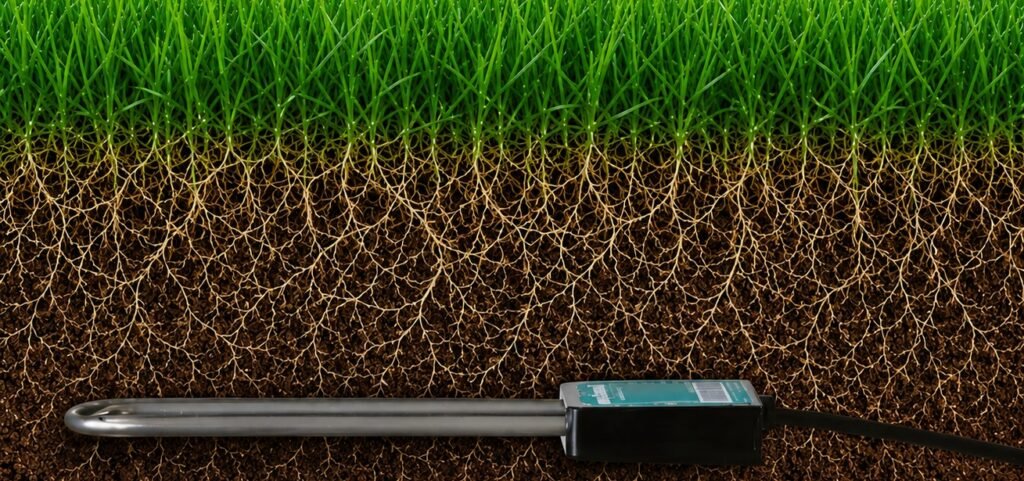
Figure 1: Soil moisture sensor installed in the grass rootzone.
2. Place Sensors in Representative Irrigation Zones
Sensor placement is just as important as sensor technology. A measurement from one location cannot represent an entire sports field when soil moisture varies across the surface.
Install sensors in locations that represent meaningful irrigation management zones. Consider differences in:
- Soil texture and rootzone construction.
- Turfgrass species and rooting depth.
- Sun exposure and shade.
- Slope and drainage.
- Traffic intensity and soil compaction.
- Sprinkler coverage and irrigation-zone boundaries.
For example, a shaded area may retain moisture longer than a sunny, high-traffic section of the field. A single sensor installed in the shaded area could therefore underestimate the irrigation needs of the rest of the surface.
Sensor installation depth should reflect the active rootzone and the purpose of the measurement. Follow the manufacturer’s installation and calibration instructions, and compare readings with field observations.
It is also important to understand what the sensor measures. Volumetric water content (VWC), for example, indicates the volume of water in a given volume of soil. It does not directly indicate how much water is available to turfgrass roots.
If you want to determine the depth of water retained within the effective rootzone, corresponding to a specific soil moisture content, do the following:
Multiply the volumetric water content (VWC) by the effective root depth, for example:
Volumetric water content of the soil (VWC): 0.25 cm³/cm³
Effective root depth (ER): 15 mm
Water depth = VWC x ER
Water depth = 0.25 x 15 mm = 3.75 mm
The USGA’s guidance on site-specific irrigation scheduling emphasizes representative sensor placement, calibration, and the need to continually evaluate whether measurement locations remain representative as environmental conditions change.
3. Combine Soil Moisture Data with Weather-Based and ET Controllers
Weather-based irrigation controllers use local weather information and landscape or turf characteristics to estimate irrigation requirements. Many systems use evapotranspiration (ET) data to adjust irrigation schedules according to changing atmospheric conditions. See too: Rain Bird ESP-2WIRE Controller: Smarter Irrigation Automation for Soccer Fields
ET represents water lost through evaporation from the soil and transpiration from plants. Reference evapotranspiration (ETo) is commonly used as a starting point for estimating atmospheric water demand. Turfgrass-specific water requirements can then be estimated using an appropriate crop coefficient (Kc), where suitable local data are available.
However, ET estimates do not necessarily represent the actual moisture condition of every location on a sports field. Differences in shade, soil texture, drainage, compaction, rooting depth, and irrigation uniformity can create substantial variation across the surface.
This is why combining ET information with soil moisture measurements and field observations can provide a more complete picture of irrigation needs.
Weather-based controllers also depend on accurate inputs and appropriate programming. Managers should review weather data, turfgrass settings, irrigation-zone characteristics, precipitation rates, and scheduling parameters rather than assuming that factory settings will suit every field.
The U.S. Environmental Protection Agency’s WaterSense program explains how weather-based controllers use local weather data and landscape conditions to adjust watering schedules. Its guidance also emphasizes the importance of meeting plant water requirements without unnecessary irrigation.
The goal is not to let the controller make every decision. It is to use weather and soil information to support better scheduling.
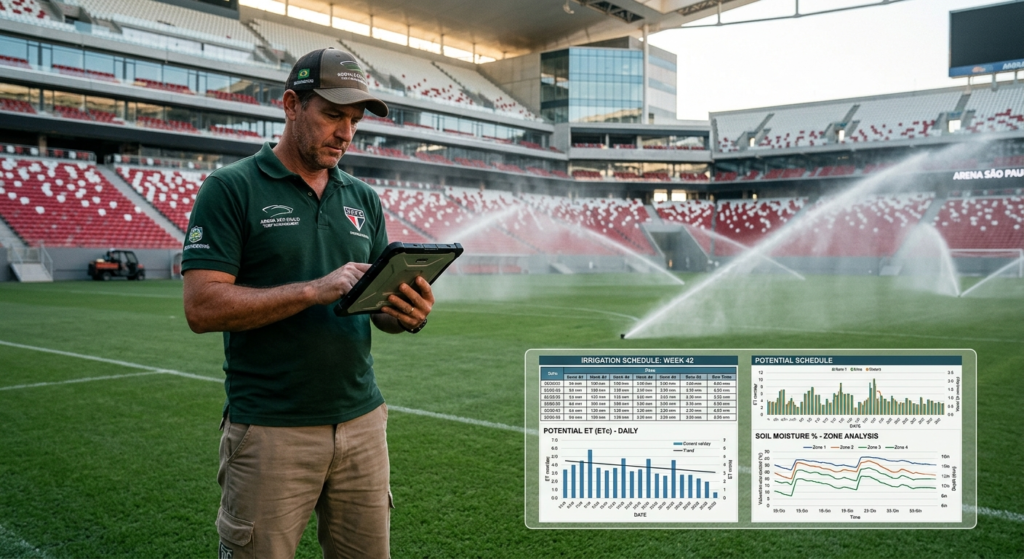
Figure 2: Integrating Weather Stations and Smart Irrigation Systems.
4. Understand the Role of Remote Sensing and Artificial Intelligence
Remote sensing and artificial intelligence are expanding the possibilities for precision turfgrass management.
Drone-based thermal and multispectral imagery can help identify spatial patterns in canopy temperature, vegetation condition, and potential turf stress. These observations may reveal areas that deserve closer inspection, especially across large facilities where daily ground scouting is difficult.
However, remote sensing does not automatically measure rootzone moisture. Thermal imagery, vegetation indices such as NDVI, and other remote-sensing products provide different types of information and must be interpreted according to what each method actually measures.
The USGA recommends ground-truthing remote-sensing information before using it to guide irrigation decisions. Research has also identified limitations in the relationship between certain remote-sensing estimates and direct soil moisture measurements.
Artificial intelligence can potentially analyze large datasets, recognize patterns, and support decisions about irrigation, turf performance, and resource allocation. But its usefulness depends on data quality, model validation, and the conditions under which the technology is applied.
One relevant research initiative is a USDA-NIFA-funded collaboration involving Rutgers University, the University of Georgia, the University of California, and Siemens Corporate Technology. The approximately $4 million project focuses on mobile remote sensing and AI-guided precision management for turfgrass water conservation and drought tolerance.
This research illustrates the potential of combining remote sensing and AI, but it should not be confused with a fully validated autonomous irrigation system for professional soccer fields.
For now, managers should view these technologies primarily as tools for monitoring, identifying patterns, and supporting decisions—not as replacements for field measurements and agronomic expertise.
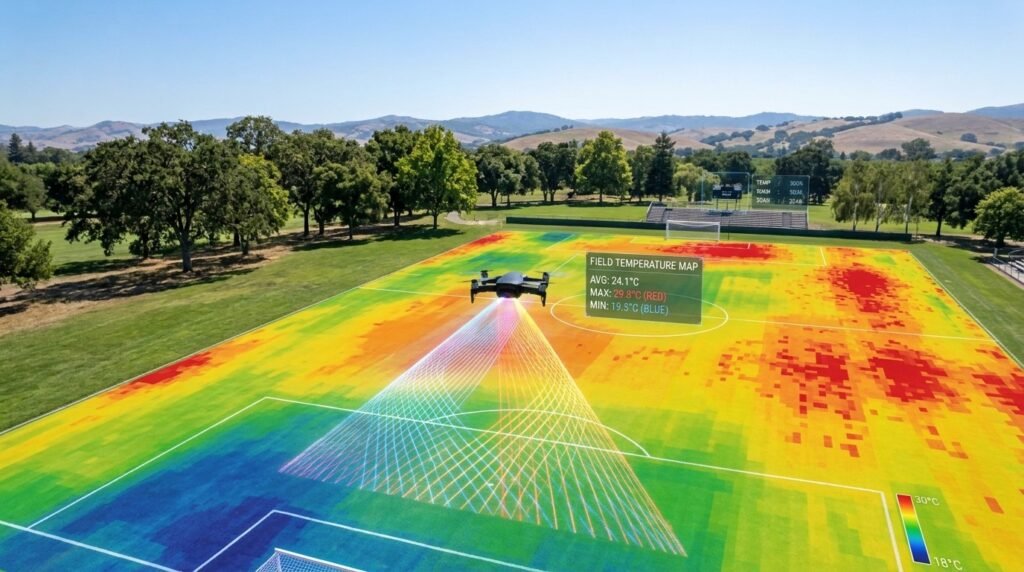
Figure 3: Drone-Based Monitoring of Sports Turf.
5. Train Your Crew to Interpret the Data
Smart irrigation technology is only as useful as the people responsible for interpreting and applying its information.
Train staff to understand soil moisture readings, ET data, weather forecasts, irrigation schedules, and system-performance reports. They should also know when a reading requires further investigation rather than an immediate change in irrigation.
For example, if a sensor indicates adequate soil moisture while an area of turf shows signs of stress, the problem may involve poor root development, compaction, disease, heat stress, or uneven irrigation rather than insufficient water alone.
Encourage employees to record field observations and compare them with sensor data. Over time, these records help identify patterns and improve irrigation decisions.
The most effective smart irrigation programs combine reliable measurements with experienced field management.
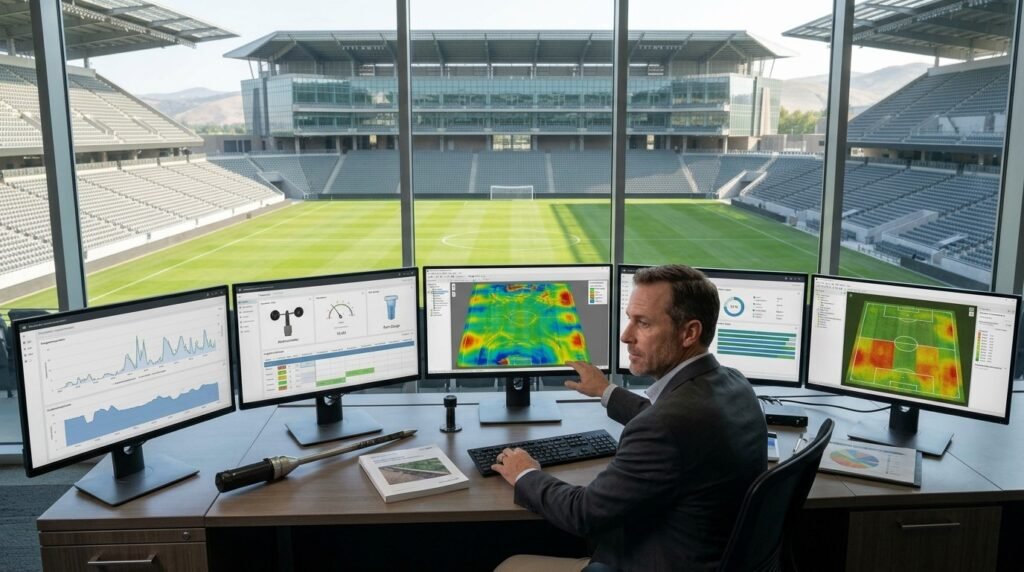
Figure 4: AI-Assisted Irrigation Management and Data Analysis.
How to Implement Smart Irrigation on a Sports Field
Adopting smart irrigation does not require replacing an entire irrigation system or purchasing of all available state-of-art technology. A gradual approach can help managers identify the most useful tools while controlling costs.
Step 1: Audit the existing irrigation system.
Check sprinkler operation, pressure, nozzle condition, spacing, precipitation rates, leaks, and distribution uniformity. Correct system problems before introducing automated controls.
Step 2: Assess soil moisture variability.
Inspect different areas of the field and use portable moisture meters or other suitable measurement tools to identify consistently wet and dry zones.
Step 3: Install and validate sensors.
Select representative locations, install sensors at appropriate depths, and compare their readings with field observations. Establish practical irrigation thresholds based on local soil and turf conditions.
Step 4: Incorporate weather and ET information.
Use local weather data, rainfall, and ET estimates to adjust irrigation schedules. When appropriate, integrate these inputs with soil moisture measurements.
Step 5: Monitor performance and evaluate results.
Compare water applied, turf quality, moisture distribution, and operating costs before and after implementation. Adjust the system as necessary and document the results.
This approach allows managers to evaluate whether smart irrigation technology is delivering measurable improvements rather than relying solely on product specifications or projected water savings.
Common Smart Irrigation Mistakes to Avoid
- Automating a poorly performing irrigation system. Correct leaks, pressure problems, sprinkler misalignment, and poor distribution uniformity before introducing automation.
- Installing sensors without considering soil variability. Sensor readings are only useful when their locations represent meaningful management zones.
- Using universal moisture thresholds. Soil texture, rootzone construction, sensor type, and turfgrass characteristics influence how readings should be interpreted.
- Relying on factory controller settings. Verify weather data, turfgrass settings, precipitation rates, and scheduling parameters.
- Establish a direct association between ET and soil moisture . ET estimates atmospheric water demand, not the actual moisture condition at every location.
- Assuming remote sensing measures rootzone moisture directly. Ground measurements are necessary to validate remote-sensing interpretations.
- Trusting automated recommendations without field verification. Continue inspecting turf conditions and evaluating playing-surface performance.
- Ignoring staff training. Technology cannot improve irrigation decisions if the people using it do not understand the data.
Frequently Asked Questions
What is smart irrigation?
Smart irrigation uses soil moisture measurements, weather data, evapotranspiration estimates, and automated controls to support irrigation decisions based on changing field conditions rather than fixed schedules alone.
How much water can soil moisture sensors save?
Water savings vary considerably depending on climate, soil conditions, irrigation practices, sensor technology, and threshold settings. University of Florida research on bermudagrass plots reported substantial reductions during rainy periods, while USGA-cited studies on golf courses have reported savings ranging from 20% to 80% in specific comparisons. These figures should not be treated as guaranteed savings for every sports field.
Are soil moisture sensors better than weather-based controllers?
Neither technology is universally better. Soil moisture sensors provide measurements at specific locations, while weather-based controllers estimate irrigation requirements using weather information and turf or landscape characteristics. Combining both approaches with field observations can provide a more complete basis for irrigation decisions.
Can artificial intelligence manage sports field irrigation automatically?
AI can analyze data, identify patterns, and support irrigation decisions. However, fully autonomous irrigation for sports fields still requires reliable data, validated models, appropriate system integration, and human oversight. Current research should not be confused with proven universal solutions.
Where should I install soil moisture sensors?
Install sensors in representative irrigation management zones, considering soil characteristics, rootzone depth, turfgrass species, shade, drainage, and sprinkler coverage. Use multiple measurement locations when necessary, and verify that sensor readings reflect actual field conditions.
What is the difference between soil moisture sensors and remote sensing?
Soil moisture sensors measure soil water conditions at specific locations and depths. Remote sensing collects information about surface or canopy characteristics over larger areas, often using thermal or multispectral imagery. The technologies provide different types of information and can complement each other when properly validated.
The Future of Smart Irrigation in Sports Turf Management
The future of sports turf irrigation will depend on the integration of accurate measurements, reliable irrigation systems, weather information, and increasingly sophisticated decision-support tools.
Soil moisture sensors and ET-based controllers already provide practical ways to improve irrigation scheduling. Remote sensing and artificial intelligence offer additional opportunities to identify patterns and support site-specific management, although their applications still require careful validation.
For sports turf managers, the most important step is not adopting the most advanced technology available. It is understanding the field, identifying where better information can improve decisions, and selecting tools that address real management needs.
Smart irrigation is not about removing human judgment from the process. It is about giving managers better information to make more accurate, efficient, and defensible irrigation decisions.
For more practical guidance, explore TurfWaterPro’s resources on distribution uniformity and turfgrass quality and common irrigation scheduling mistakes for sports turf