
Maintaining healthy sports turf requires a delicate balance between water supply and plant demand. Yet one of the most common irrigation mistakes on athletic fields is applying too much water. When turf begins to thin, yellow, or lose vigor, the instinctive response is often to increase irrigation. Ironically, excessive watering may already be the root cause of the problem.
Overwatering does more than waste water. It reduces root health, increases disease pressure, weakens turf resilience, and can negatively affect field playability and athlete safety. Understanding how excessive irrigation impacts sports turf is essential for groundskeepers, sports field managers, and irrigation professionals seeking consistent, high-quality playing surfaces.
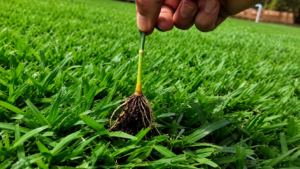
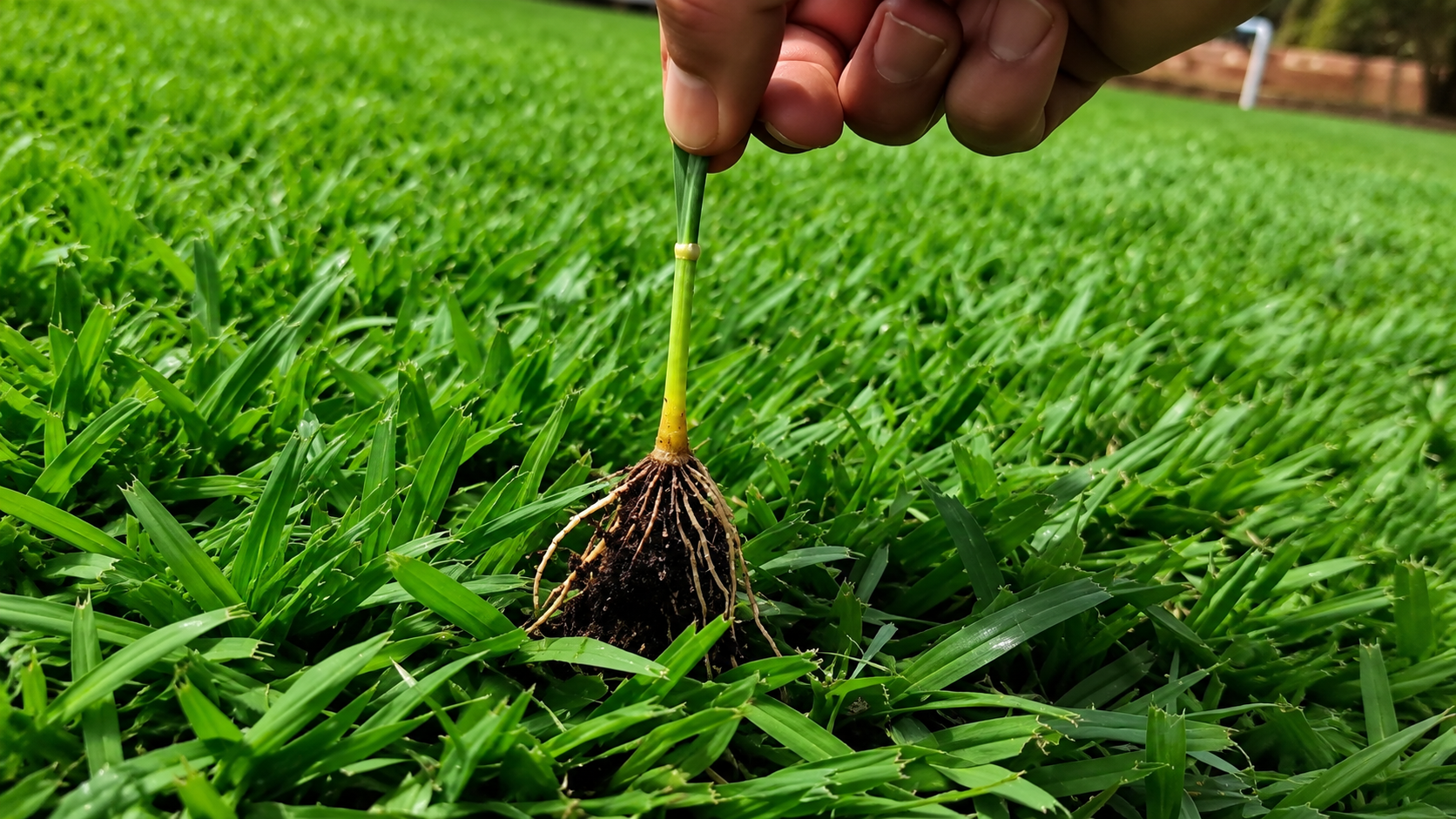
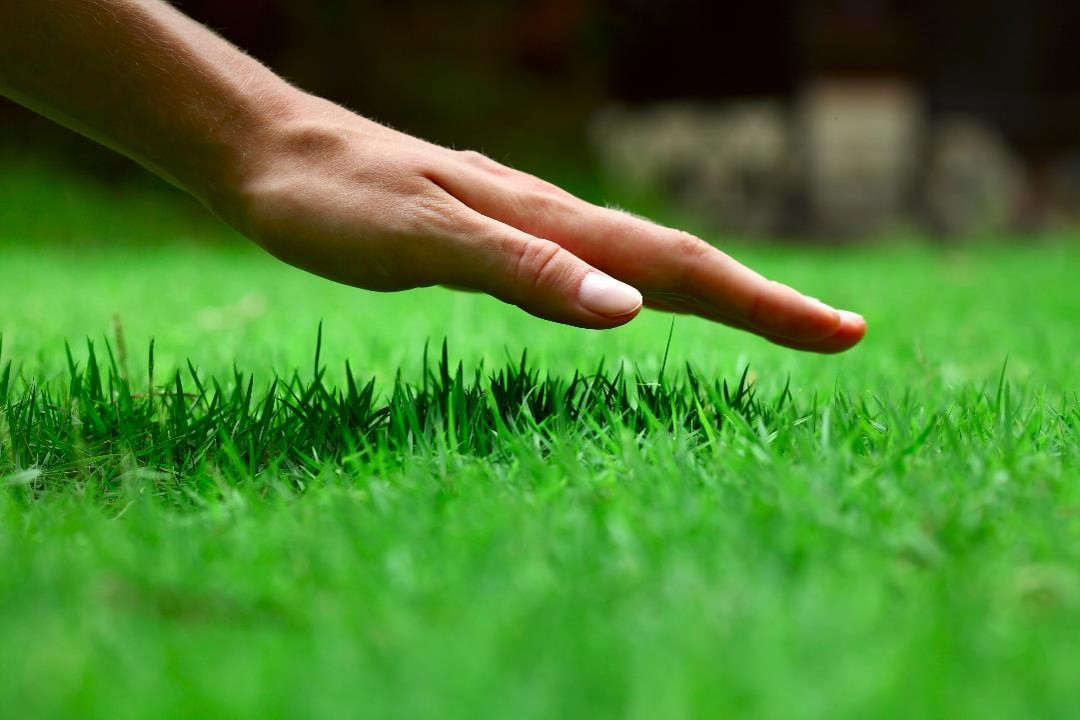
Figure 1. Shallow Turfgrass Roots Caused by Excessive Irrigation.
Why Does Overwatering Occur?
In many cases, excessive irrigation is not caused by equipment failure but by management decisions. Common causes include:
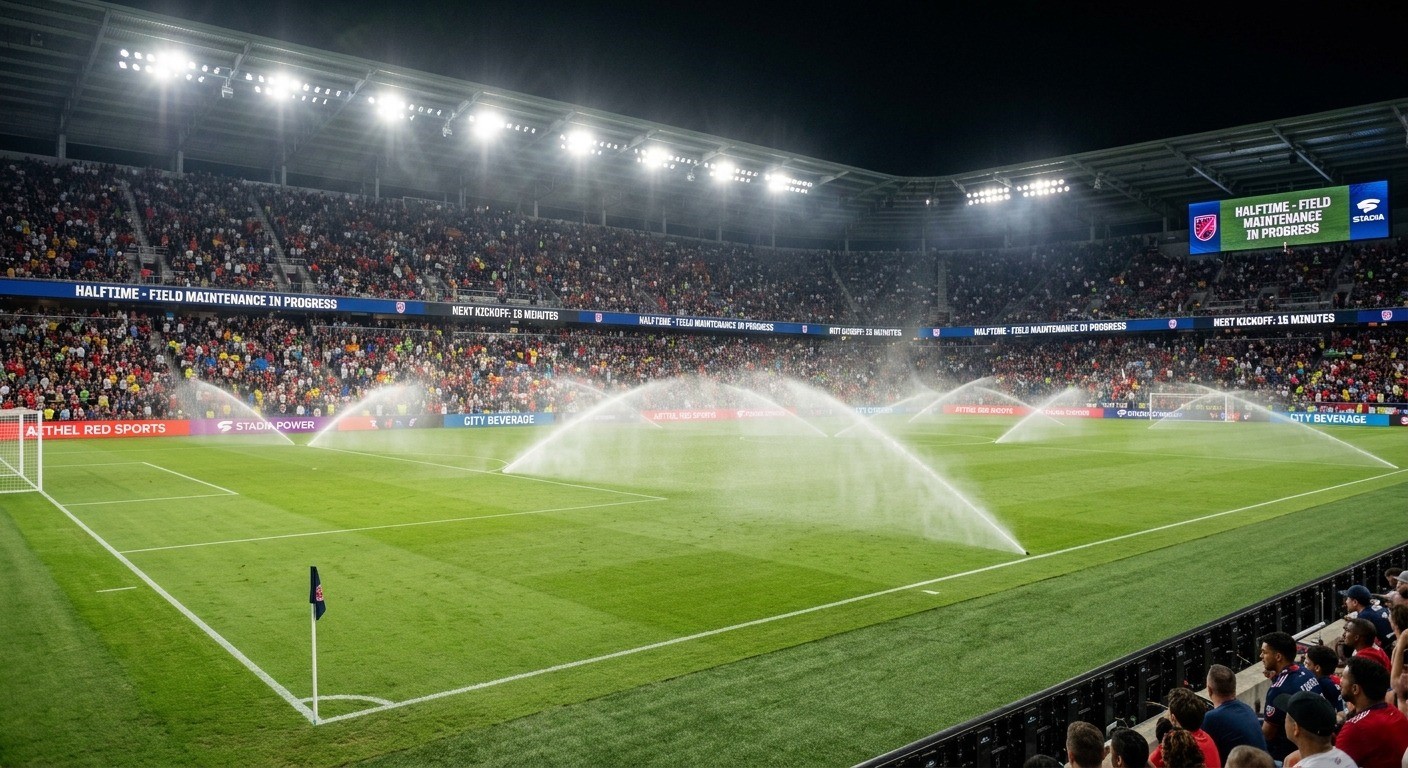
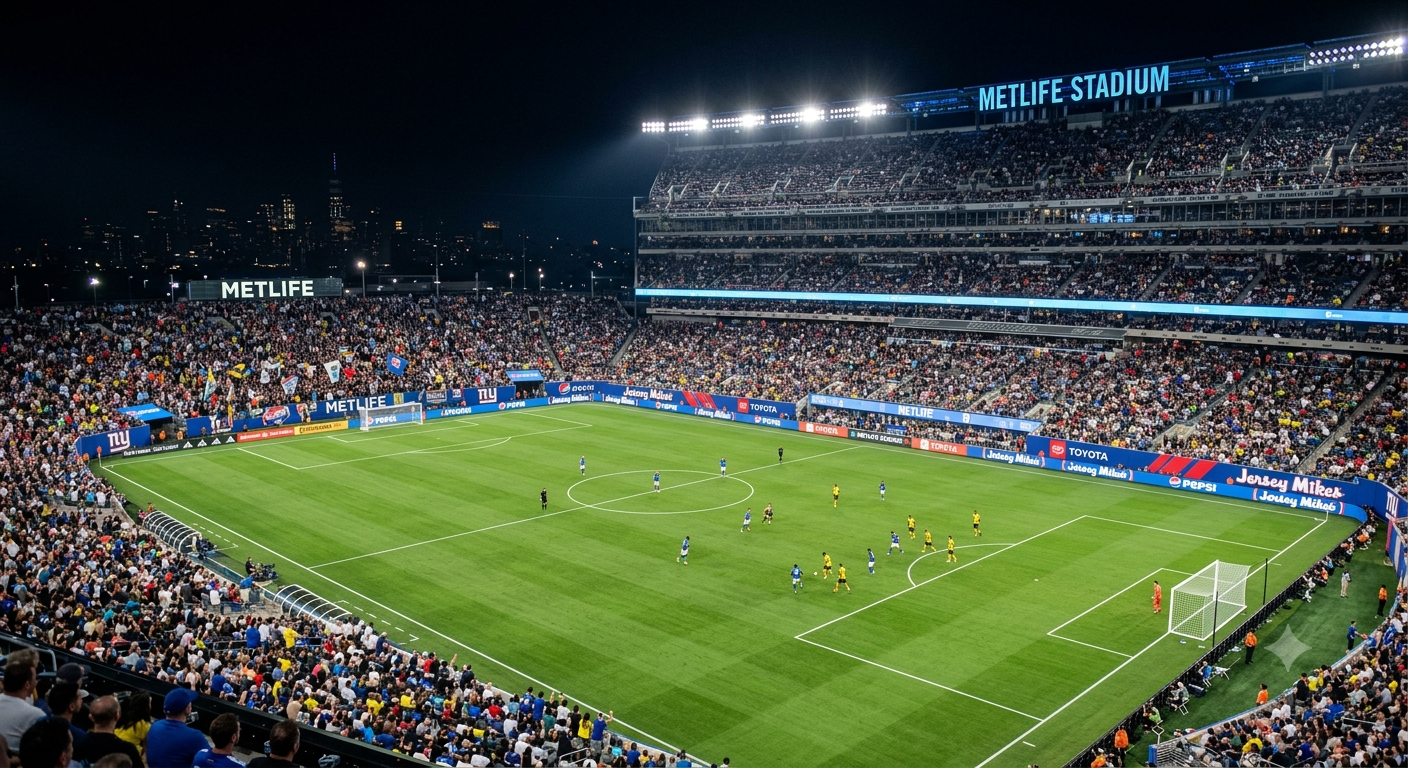
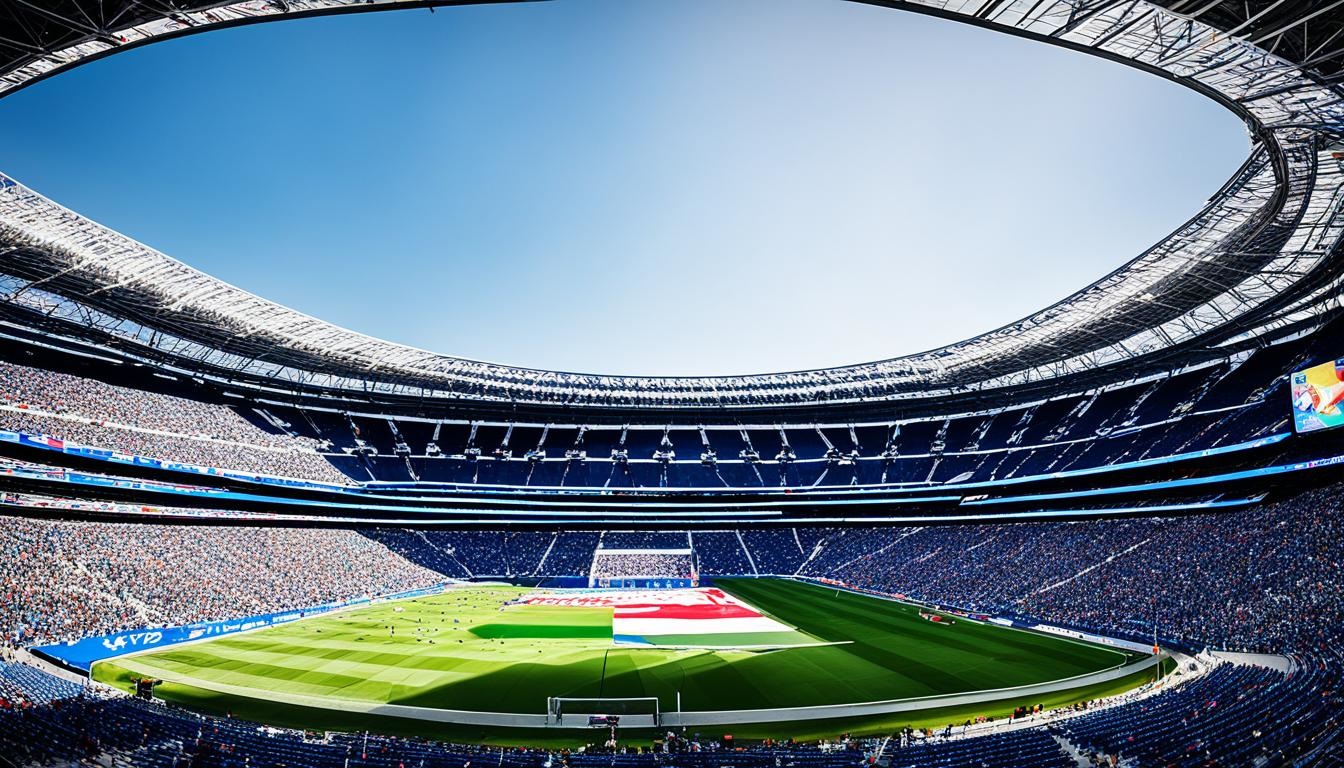
- Fixed irrigation schedules that fail to account for seasonal weather changes and stadium design. Open, partially enclosed, and fully enclosed venues experience different levels of sunlight exposure, wind movement, and evapotranspiration, all of which influence turfgrass water requirements.
- Daily watering regardless of turf demand
- Fear of drought stress during hot weather
- Lack of routine field observations
- Limited understanding of soil characteristics and turfgrass water requirements.
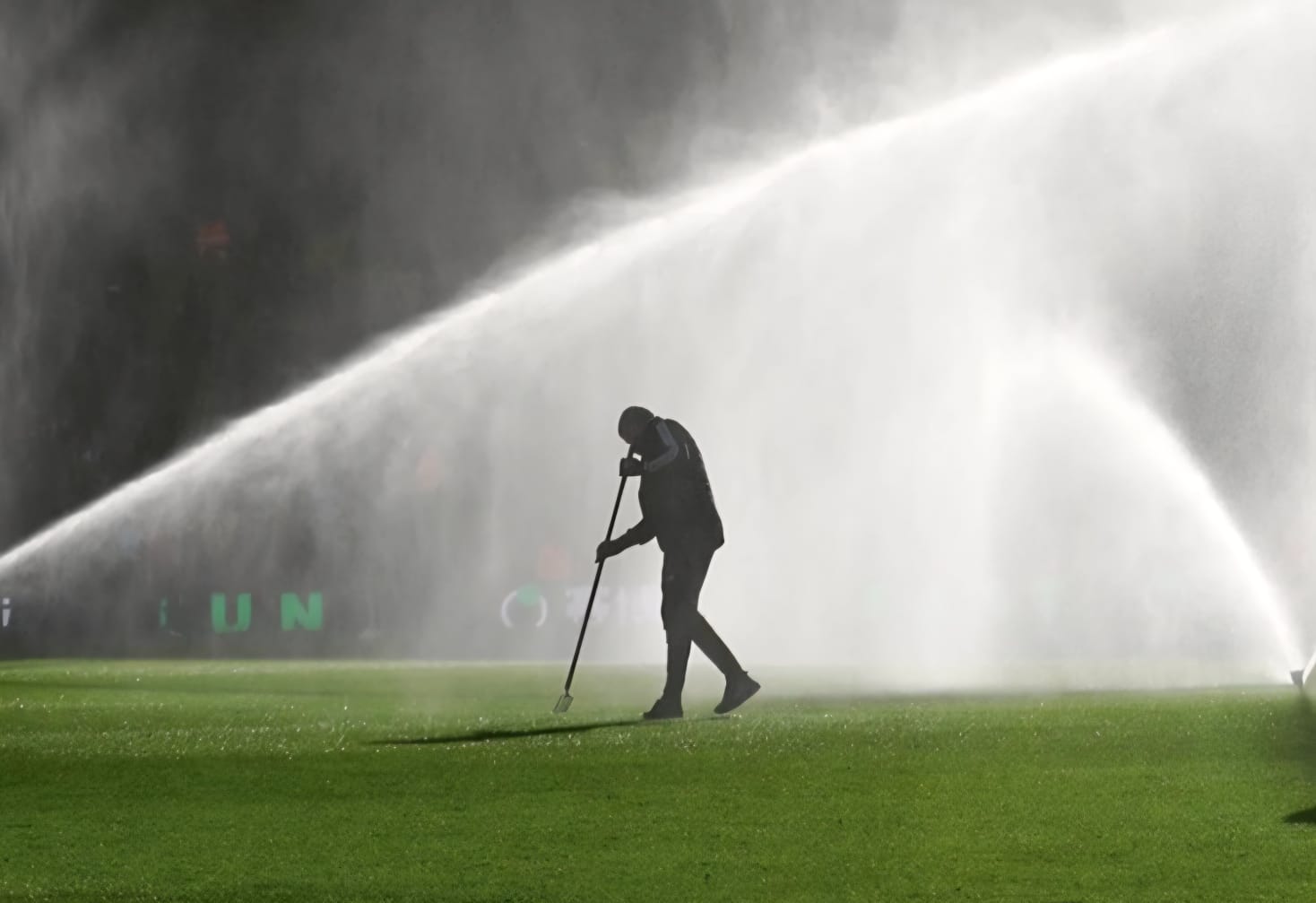
Modern irrigation systems can apply large amounts of water efficiently, but efficiency does not guarantee proper scheduling. Applying water beyond the turf’s actual needs often creates more problems than it solves.
How Excessive Irrigation Damages Sports Turf
Reduced Root Oxygen
Healthy turf roots require both water and oxygen. When soil remains saturated for extended periods, air-filled pore space decreases, limiting oxygen availability in the root zone.
As oxygen levels decline, root growth slows and overall plant health deteriorates.
Shallow Root Development
Frequent, light irrigation encourages roots to remain near the soil surface where moisture is consistently available. As a result, turf becomes more dependent on regular watering and less tolerant of heat, traffic, and temporary drought stress.
Fields with shallow root systems often show rapid decline during periods of environmental stress.
Increased Disease Pressure
Many turfgrass diseases thrive in persistently wet conditions. Excessive moisture can promote fungal pathogens that attack leaves, crowns, and roots, increasing maintenance costs and reducing turf quality.
Poor drainage combined with excessive irrigation creates particularly favorable conditions for disease outbreaks.
Research and extension publications from the University of California Agriculture and Natural Resources emphasize that prolonged soil saturation can reduce root growth and limit oxygen availability in the root zone, making turfgrass more susceptible to stress and disease.
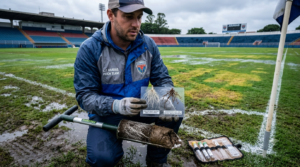
Figure 2. Saturated Root Zone Reducing Turfgrass Root Development.
7 Signs of an Overwatered Sports Field
Several visual and physical symptoms may indicate excessive irrigation:
- Standing water or puddles after irrigation
- Continuously moist soil surface
- Yellowing turf despite frequent watering
- Uneven growth patterns
- Recurring fungal disease problems
- Shallow root system observed during inspections
- Potential for increased soil compaction
These symptoms often appear gradually, making routine monitoring essential.
Quick Field Check for Overwatering
Before increasing irrigation run times, take a few minutes to evaluate field conditions. Ask yourself:
✔ Is the soil still moist 2–3 inches below the surface?
✔ Are turfgrass roots extending deeper than 4–6 inches?
✔ Does water remain on the surface after irrigation?
✔ Are disease symptoms becoming more frequent?
✔ Has recent rainfall already supplied part of the turf’s water needs?
If you answer “yes” to one or more of these questions, additional irrigation may not be necessary. A simple field inspection can often prevent overwatering and help maintain healthier, more resilient sports turf.
What Research and Field Experience Show
University turfgrass research and field experience consistently support a deep-and-infrequent irrigation strategy for most sports turf systems.
Rather than watering daily, irrigation should replenish soil moisture deeper in the root zone before allowing the surface to partially dry. This approach promotes:
- Deeper root systems
- Improved drought tolerance
- Greater irrigation efficiency
- Better field stability
- Reduced disease pressure
The goal is not simply to keep turf green, but to develop a resilient playing surface capable of withstanding traffic and environmental stress.
Similar recommendations for deep and infrequent irrigation can also be found in turfgrass management resources published by Michigan State University and the University of Tennessee’s Center for Athletic Field Safety.
Best Practices to Prevent Overwatering
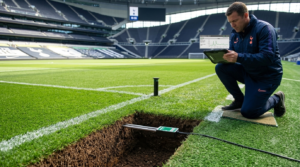
Figure 3. Using Soil Moisture Monitoring to Prevent Overwatering.
Monitor Soil Moisture
Using soil moisture sensors provides objective information about root-zone conditions and removes much of the guesswork from irrigation decisions. Many professional sports field managers also integrate weather stations, evapotranspiration (ET) data, and smart irrigation controllers to optimize scheduling and improve water-use efficiency.
Adjust Scheduling Seasonally
Water requirements change throughout the year. Many sports turf managers also use weather stations, evapotranspiration (ET) data, and smart irrigation controllers to make more accurate scheduling decisions throughout the year.
Evaluate Drainage Conditions
Even well-designed irrigation schedules can create problems if internal drainage is inadequate. Areas that remain wet longer than surrounding turf should be investigated for drainage limitations.
Irrigate Deeply and Less Frequently
Deep irrigation encourages roots to explore a larger soil volume, improving turf resilience and reducing dependence on frequent watering.
Conduct Routine Field Inspections
Visual inspections remain one of the most valuable management tools. Before increasing run times, evaluate soil moisture, turf appearance, rooting depth, and field conditions.
A Common Irrigation Management Mistake
One of the most frequent errors in sports turf management is responding to every turf problem by increasing irrigation run times.
Yellowing turf, thinning areas, or reduced vigor can result from compaction, disease, poor drainage, nutrient deficiencies, or root stress caused by excessive moisture. Adding more water without identifying the underlying cause often worsens the situation.
Successful irrigation management begins with diagnosis, not assumptions.
Conclusion
Overwatered sports turf is a widespread but preventable problem. Excessive irrigation reduces root development, increases disease risk, weakens field performance, and wastes valuable water resources.
The most successful sports field managers focus on applying the right amount of water at the right time rather than maximizing irrigation volume. By monitoring soil conditions, adjusting schedules to weather patterns, and encouraging deep rooting, facilities can maintain healthier, safer, and more resilient playing surfaces.
Before increasing irrigation run times, evaluate whether the turf truly needs more water. In many cases, better results come from smarter irrigation—not more irrigation.
For competitive sports facilities, maintaining appropriate moisture levels is critical for both player safety and playability.
FAQ
How can I tell if my sports turf is overwatered?
Common signs include persistently wet soil, standing water, soft playing surfaces, yellowing turf, shallow roots, and recurring fungal diseases.
Does overwatering cause shallow roots?
Yes. Frequent irrigation keeps moisture near the soil surface, reducing the need for roots to grow deeper into the soil profile.
Can excessive irrigation increase turf diseases?
Absolutely. Many fungal pathogens thrive in wet environments, making overwatered turf more susceptible to disease outbreaks.
Should sports fields be irrigated every day?
Not necessarily. Irrigation frequency should be based on soil moisture, weather conditions, and turfgrass needs rather than a fixed daily schedule.
What is the best way to avoid overwatering?
Combining routine field inspections with soil moisture monitoring and weather-based irrigation scheduling is the most effective approach.
Want to improve irrigation efficiency and field performance?
Subscribe to the TurfWaterPro newsletter for practical guides on sports turf irrigation, soil moisture management, irrigation audits, and water-saving strategies used by professional field managers.




2 Responses
Hi. This article is pretty good. Congratulations!
Hey. Thank you my friend.