

A Turfgrass Variety Built for Elite Sports Performance
MetLife Stadium sits near the northern limit of where bermudagrass can reliably survive. In this transition-zone environment, winter injury, spring recovery, traffic tolerance, and water management all become critical considerations.
When preparations began for the 2026 FIFA World Cup, turf selection was not simply a matter of aesthetics. The playing surface needed to withstand intense traffic, recover rapidly between events, maintain consistent ball performance, and perform under one of the most scrutinized maintenance programs in the world.
Those requirements helped drive the selection of Tahoma 31 bermudagrass, a hybrid cultivar developed by Oklahoma State University’s turfgrass breeding program. In university trials and National Turfgrass Evaluation Program (NTEP) testing, Tahoma 31 has demonstrated exceptional cold tolerance, drought resistance, wear recovery, and overall turf quality.
For sports turf managers, irrigation professionals, and facility operators, Tahoma 31 represents one of the most significant advancements in warm-season athletic field turfgrass over the past decade.
Figure 1. Tahoma 31 Bermudagrass Delivering High Wear Tolerance on Professional Soccer Fields.
What Is Tahoma 31 Bermudagrass?
Tahoma 31 is a vegetatively propagated hybrid bermudagrass (Cynodon dactylon × Cynodon transvaalensis) developed by Oklahoma State University.
Originally bred to improve winter survival in transition-zone climates, the cultivar quickly gained attention for its combination of:
- Superior cold hardiness
- High traffic tolerance
- Rapid recovery from wear
- Improved drought resistance
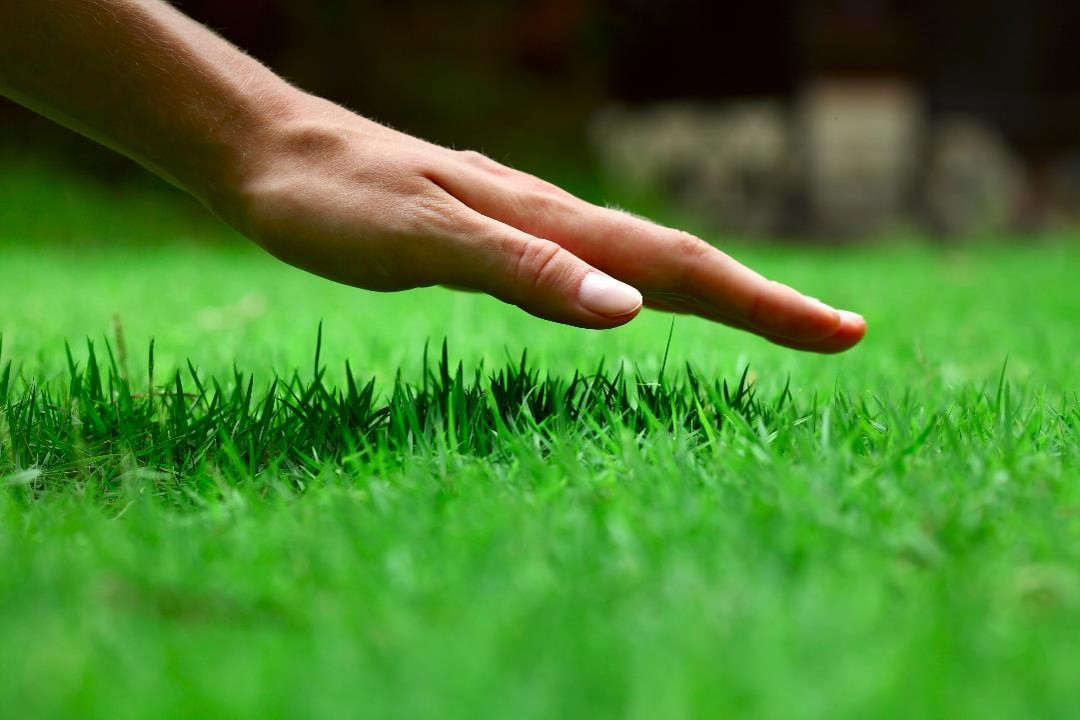
- Excellent turf density
- Dark blue-green color
- Extended seasonal color retention
Unlike many traditional bermudagrasses, Tahoma 31 was specifically designed to push the geographic limits of warm-season turf performance.
Why Tahoma 31 Performs at Elite Stadium Level
Professional soccer venues place extraordinary demands on turfgrass.
Unlike municipal fields that may host a few events per week, elite stadiums must maintain uniform surface conditions despite intense traffic, media activity, maintenance operations, and rapidly changing weather conditions.
Tahoma 31 provides several advantages that align with these requirements.

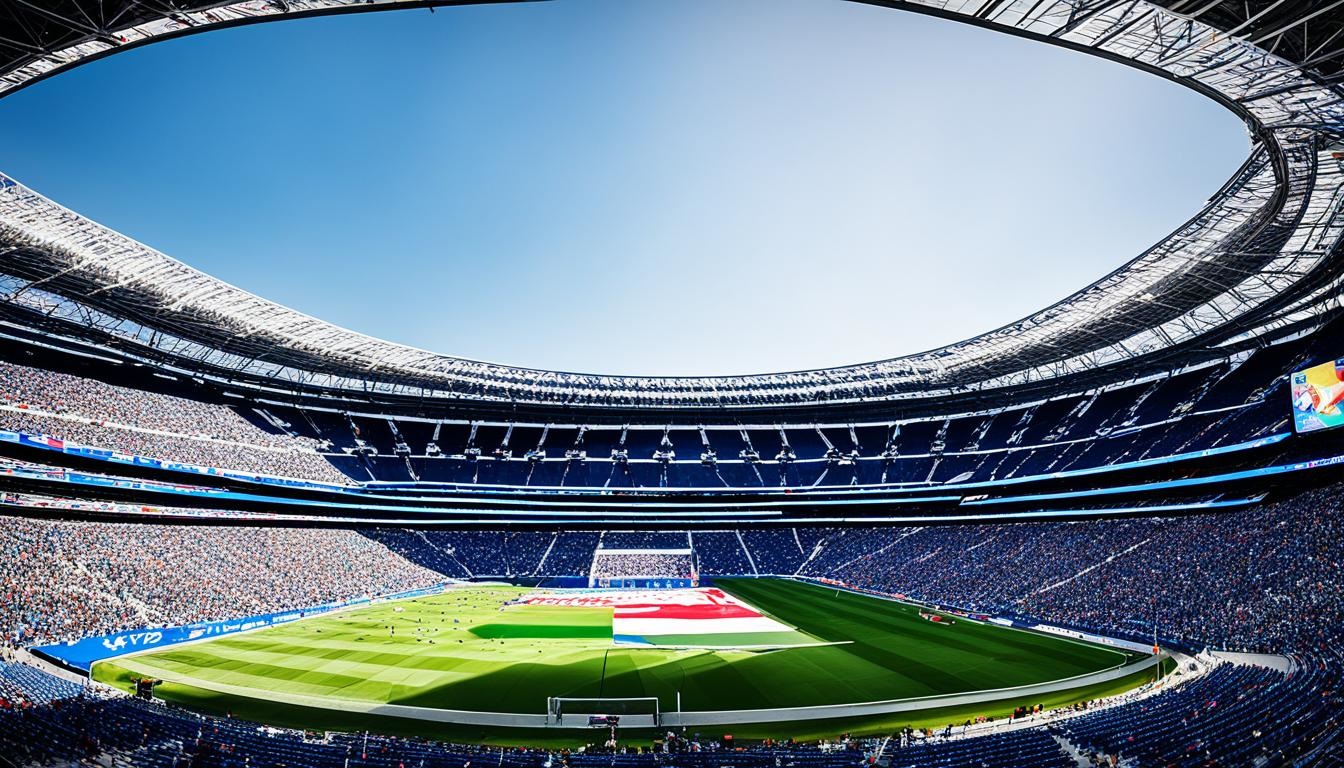
Figure 2: MetLife Stadium: Venue for the 2026 World Cup final.
Exceptional Cold Tolerance
Cold tolerance is arguably Tahoma 31’s most important differentiator.
Research conducted by Oklahoma State University demonstrated winter survivability rates up to 75% greater than standard bermudagrass cultivars under challenging winter conditions.
This characteristic is particularly important for facilities located in the transition zone, where winter temperatures frequently challenge bermudagrass persistence.
For MetLife Stadium, located in northern New Jersey, this trait was a major factor in cultivar selection.
Improved Drought Resistance and Water Efficiency
Water management is becoming increasingly important for athletic facilities across North America.
NTEP evaluations and university research have shown that Tahoma 31 can maintain acceptable turf quality under reduced irrigation programs while continuing to provide strong playing performance.
Several studies reported approximately 18% lower water use requirements compared to TifTuf bermudagrass under comparable conditions.
For sports turf managers, this translates into:
- Reduced irrigation demand
- Lower pumping costs
- Improved sustainability
- Greater resilience during water restrictions
Rapid Recovery from Traffic Damage
Soccer matches, training sessions, maintenance equipment, and event logistics all contribute to surface wear.
Tahoma 31 has consistently ranked among the highest-performing cultivars for traffic recovery.
Its aggressive lateral growth allows damaged areas to recover quickly, reducing recovery time between events and helping maintain consistent field conditions throughout the season.
Tahoma 31 vs. Other Popular Bermudagrass Cultivars
One of the most common questions among sports turf managers is how Tahoma 31 compares with other widely used bermudagrasses.
| Trait | Tahoma 31 | NorthBridge | Tifway 419 |
|---|---|---|---|
| Wear Tolerance | Excellent | Excellent | Very Good |
| Recovery Speed | Very Fast | Very Fast | Fast |
| Cold Tolerance | Superior | Very Good | Moderate |
| Drought Resistance | Excellent | Good | Good |
| Water Use Efficiency | High | Moderate | Moderate |
| Turf Density | High | High | Moderate |
| Transition Zone Adaptation | Excellent | Good | Moderate |
While each cultivar has strengths, Tahoma 31 offers one of the most balanced performance profiles currently available for high-performance athletic fields.
Why Transition Zone Managers Are Paying Attention
The transition zone presents one of the most difficult environments for turfgrass management.
Warm-season grasses can suffer winter injury, while cool-season species often struggle during summer heat and traffic stress.
Tahoma 31 was developed specifically to address this challenge.
For facilities located in:
- New Jersey
- Pennsylvania
- Maryland
- Virginia
- Kentucky
- Tennessee
- Missouri
- Kansas
Tahoma 31 provides a warm-season option with improved winter survival compared to many traditional bermudagrasses.
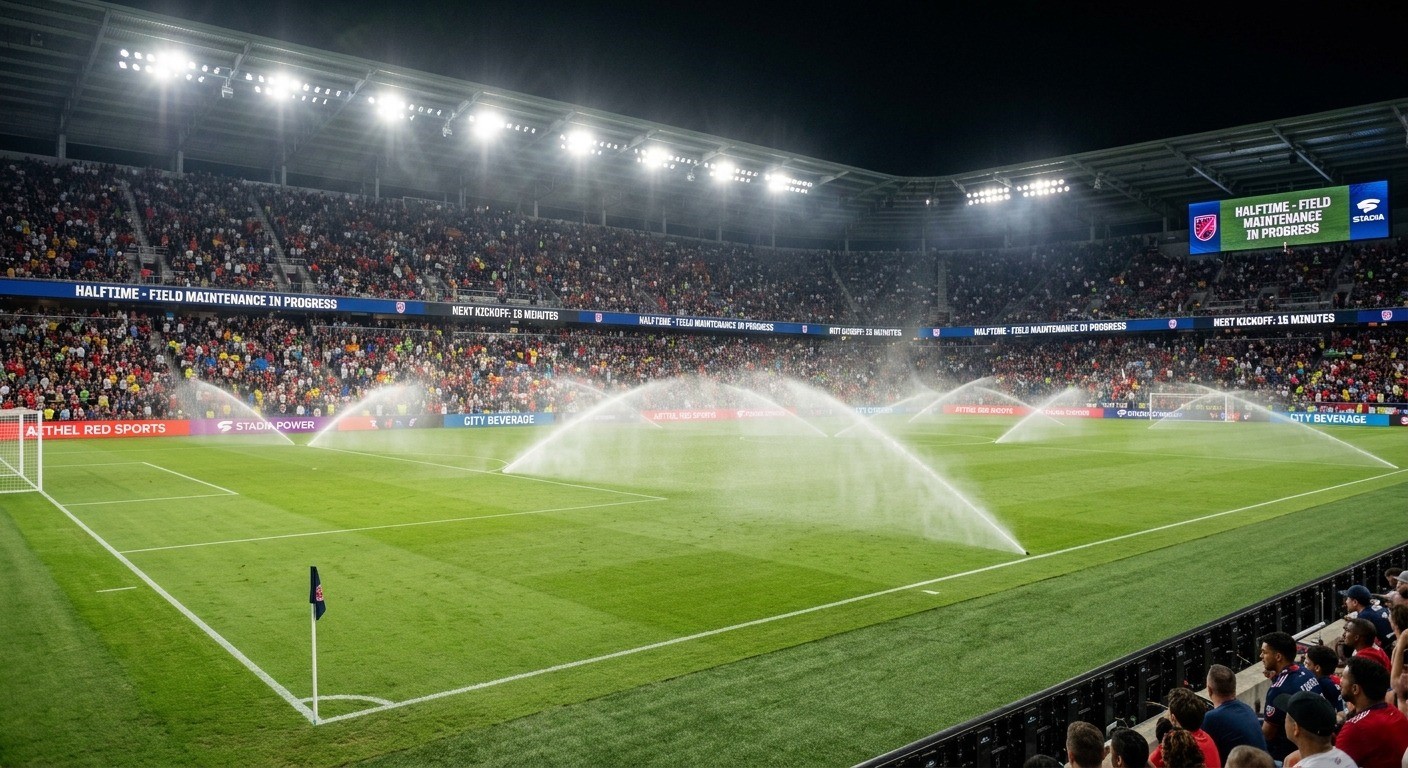
Irrigation Management for Tahoma 31
Although highly drought tolerant, Tahoma 31 is not a “plant-it-and-forget-it” grass.
Performance at the professional level still depends on proper irrigation management.
Professional Tip
The best irrigation programs combine:
- Soil moisture sensors
- Weather stations
- ET-based scheduling
- Smart irrigation controllers
- Routine field inspections
Rather than relying on fixed calendars, irrigation should respond to actual plant demand.
This approach maximizes Tahoma 31’s natural drought tolerance while avoiding unnecessary water applications.
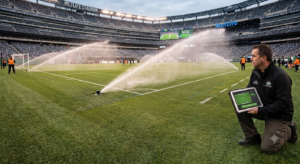
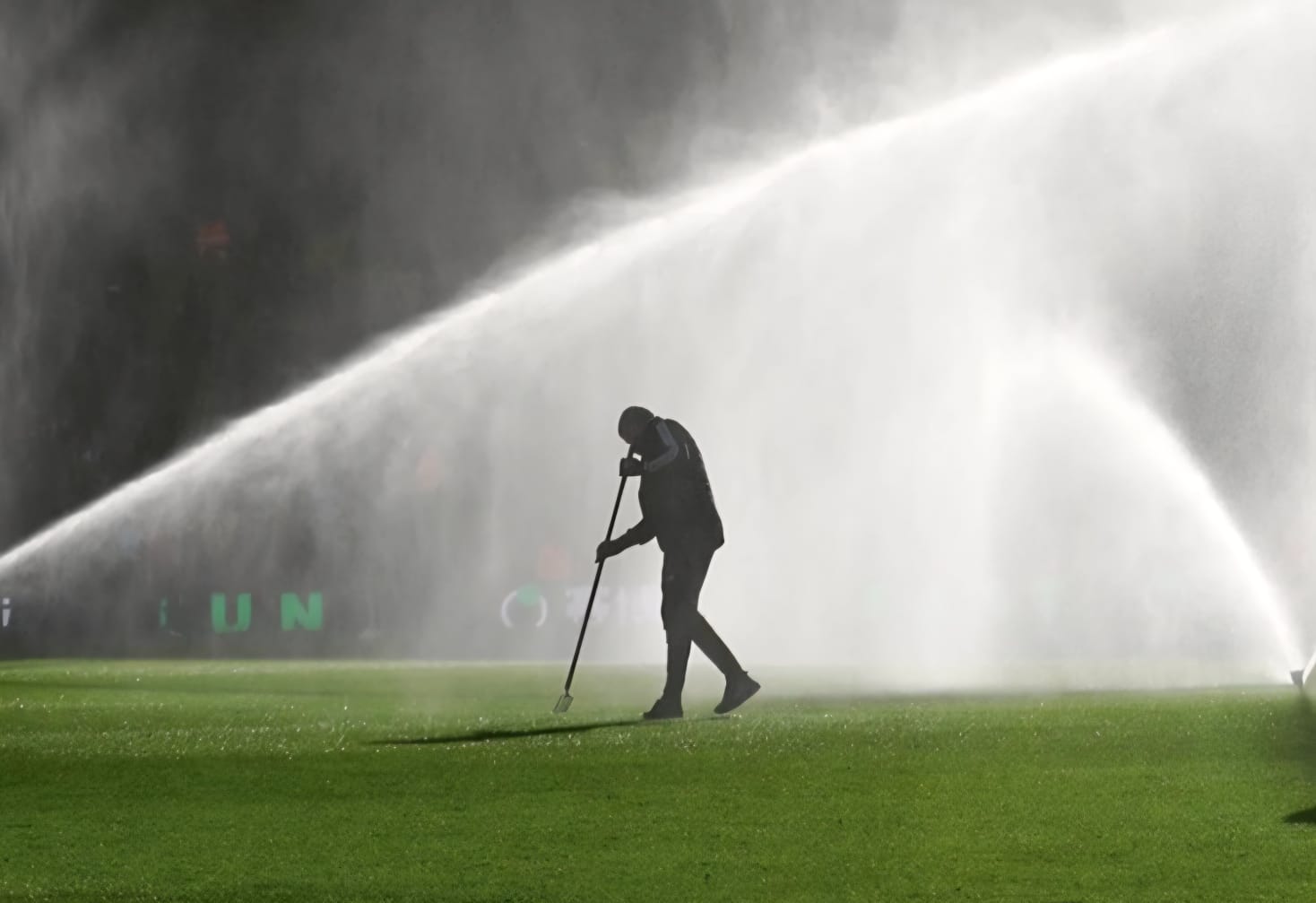
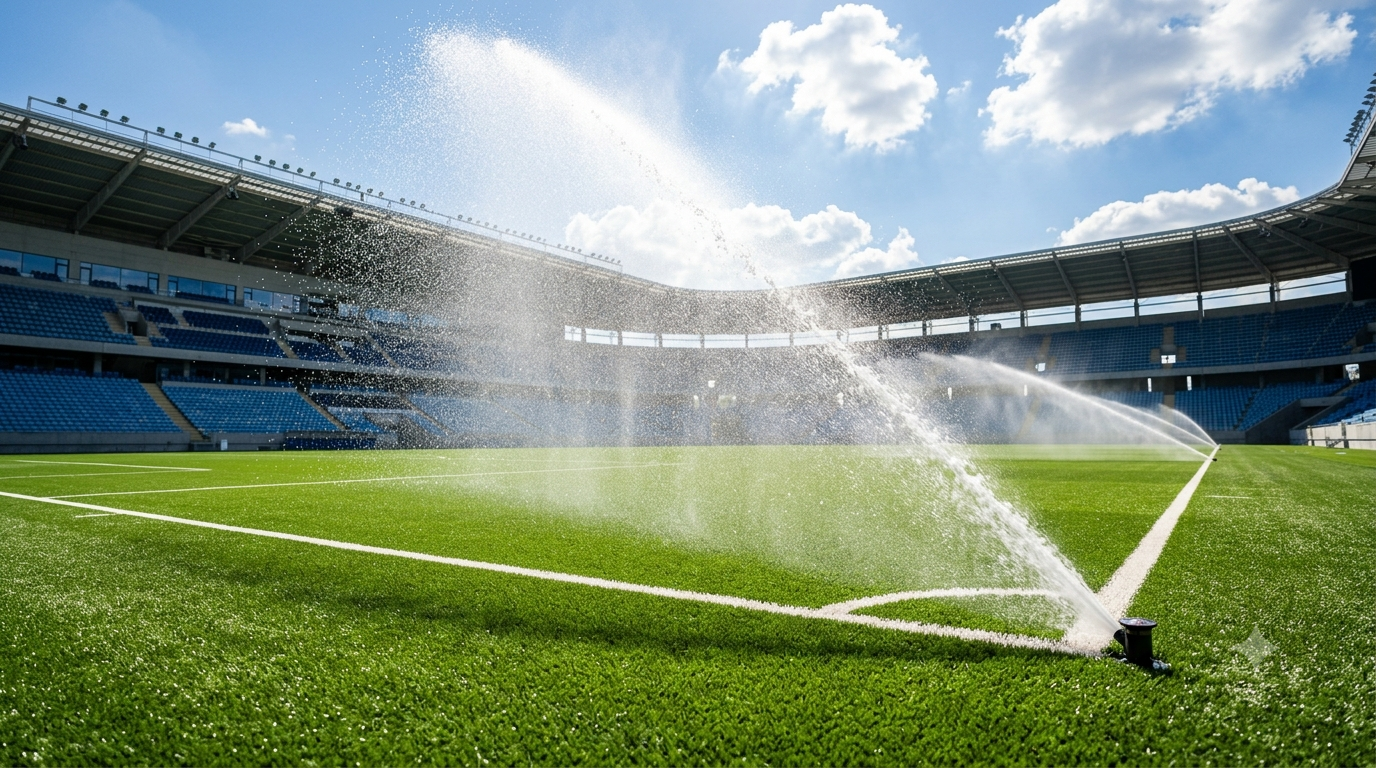
Figure 3. Irrigation Management for Tahoma 31 Bermudagrass at Elite Sports Facilities (AI image)
Establishment Considerations
Facilities considering a renovation project should also understand establishment requirements.
Tahoma 31 is commonly established through:
- Sod installation
- Sprigging
- Vegetative propagation
During establishment:
- Frequent irrigation is required initially
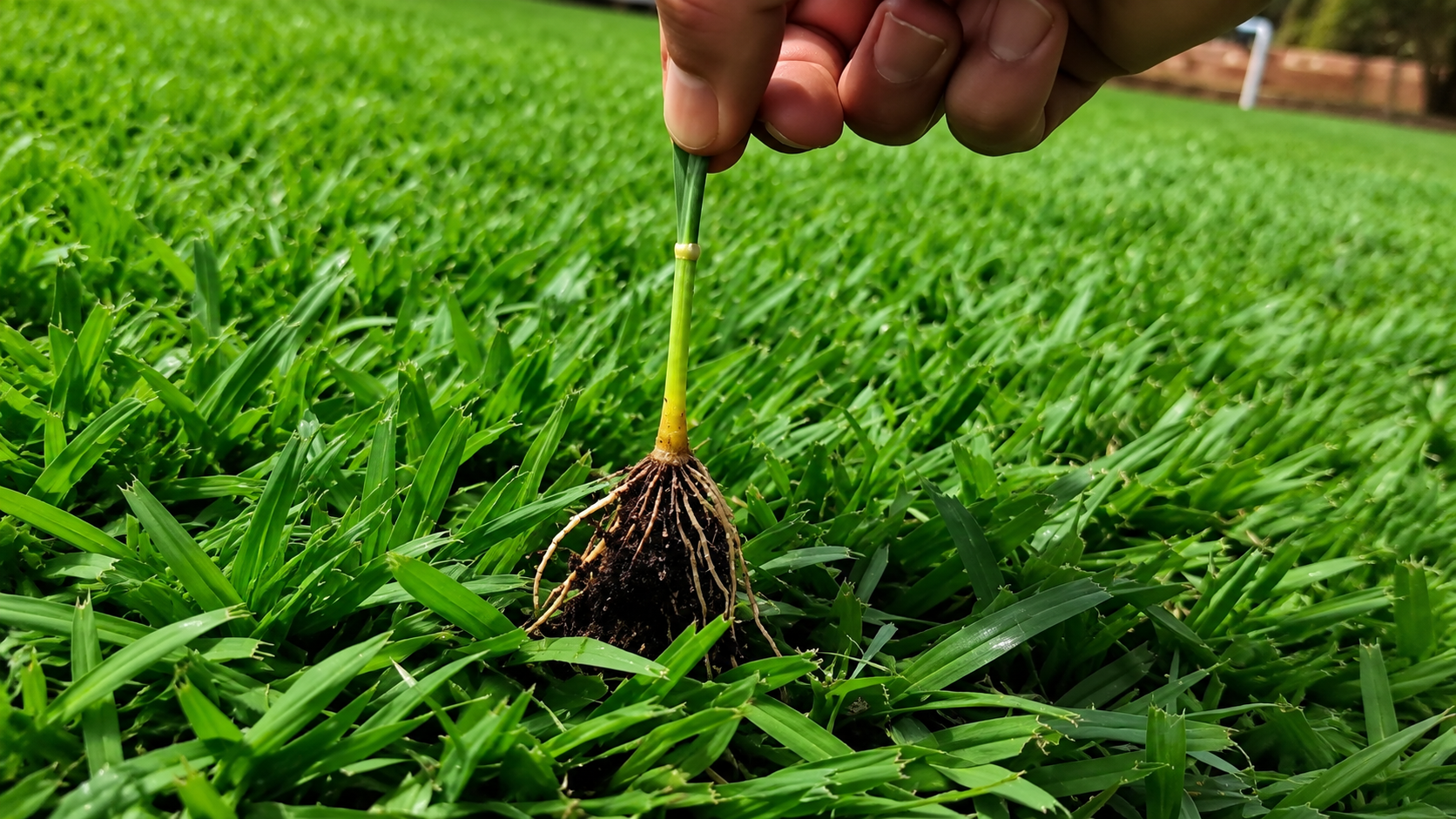
- Irrigation frequency should gradually decrease as rooting depth increases
- Soil moisture monitoring becomes increasingly important
- Traffic should be restricted until full establishment occurs
Proper establishment practices are critical to achieving the long-term performance benefits associated with the cultivar.
Common Mistakes That Reduce Performance
Even elite turfgrass genetics cannot compensate for poor management.
The most common mistakes include:
Daily Irrigation Regardless of Conditions
Fixed schedules frequently result in overwatering and shallow rooting.
Ignoring Root-Zone Moisture
Surface appearance alone is often misleading.
Soil moisture sensors provide a far more accurate assessment of irrigation needs.
Excessive Nitrogen Applications
Over-fertilization can increase growth rates at the expense of root development and stress tolerance.
Poor Irrigation Uniformity
Dry spots and wet spots frequently result from distribution problems rather than insufficient irrigation.
Regular catch-can testing and irrigation audits remain essential.
Practical Field Scenario
Consider a sports complex managing four natural-grass soccer fields in a transition-zone climate.
By converting from an older bermudagrass cultivar to Tahoma 31 and integrating:
- Soil moisture sensors
- Weather-based controllers
- ET scheduling
the facility may reduce irrigation demand while improving surface consistency during summer heat and tournament play.
This combination of improved genetics and smarter irrigation management represents the direction many professional facilities are moving today.
Key Takeaway
Tahoma 31 is not simply another bermudagrass variety.
Its combination of cold hardiness, drought resistance, traffic recovery, and water-use efficiency makes it one of the most advanced warm-season turfgrass cultivars currently available for athletic fields.
The selection of Tahoma 31 for MetLife Stadium highlights how modern turfgrass breeding and precision irrigation management work together to support world-class playing conditions.
Summary
As the host venue for the 2026 FIFA World Cup Final, MetLife Stadium required a turfgrass capable of performing under extraordinary expectations.
Tahoma 31’s documented improvements in winter survival, water-use efficiency, traffic recovery, and overall turf quality make it uniquely suited for this challenge.
For sports turf managers seeking a high-performance bermudagrass adapted to transition-zone conditions, Tahoma 31 has become one of the strongest options available today.
FAQ
Is Tahoma 31 a hybrid bermudagrass?
Yes. Tahoma 31 is a hybrid bermudagrass developed by Oklahoma State University specifically for sports turf, golf course, and landscape applications.
Why was Tahoma 31 selected for MetLife Stadium?
Its combination of cold tolerance, drought resistance, wear recovery, and overall turf quality made it well suited for the environmental conditions and performance requirements of the venue.
Does Tahoma 31 require less water?
Research has shown that Tahoma 31 can maintain quality under reduced irrigation and may use approximately 18% less water than some competing bermudagrass cultivars.
Is Tahoma 31 suitable for transition-zone climates?
Yes. Improved winter survival is one of the primary reasons Tahoma 31 has gained popularity throughout the transition zone.
What irrigation technologies work best with Tahoma 31?
Soil moisture sensors, ET-based scheduling tools, weather stations, smart irrigation controllers, and routine irrigation audits all help maximize performance and water-use efficiency.
Want to Learn More?
Want to learn how elite stadiums manage irrigation and turf performance? Stay connected and subscribe to our newsletter for practical insights on sports turf irrigation, soil moisture monitoring, water conservation, and professional field management.