

Robotic mowers are becoming an increasingly relevant technology in professional turf management. By making frequent, lightweight cuts, these machines may reduce manual mowing requirements and support consistent maintenance. However, their suitability for sports fields depends on turfgrass species, mowing height, field layout, safety procedures, and operating conditions.

Key Considerations for Sports Turf Managers
1. Match the mower to the site. Evaluate cutting capacity, navigation technology, mowing height, obstacles, and charging infrastructure. Manufacturer-reported capacity is a specification, not a guarantee of performance on a professional sports field.
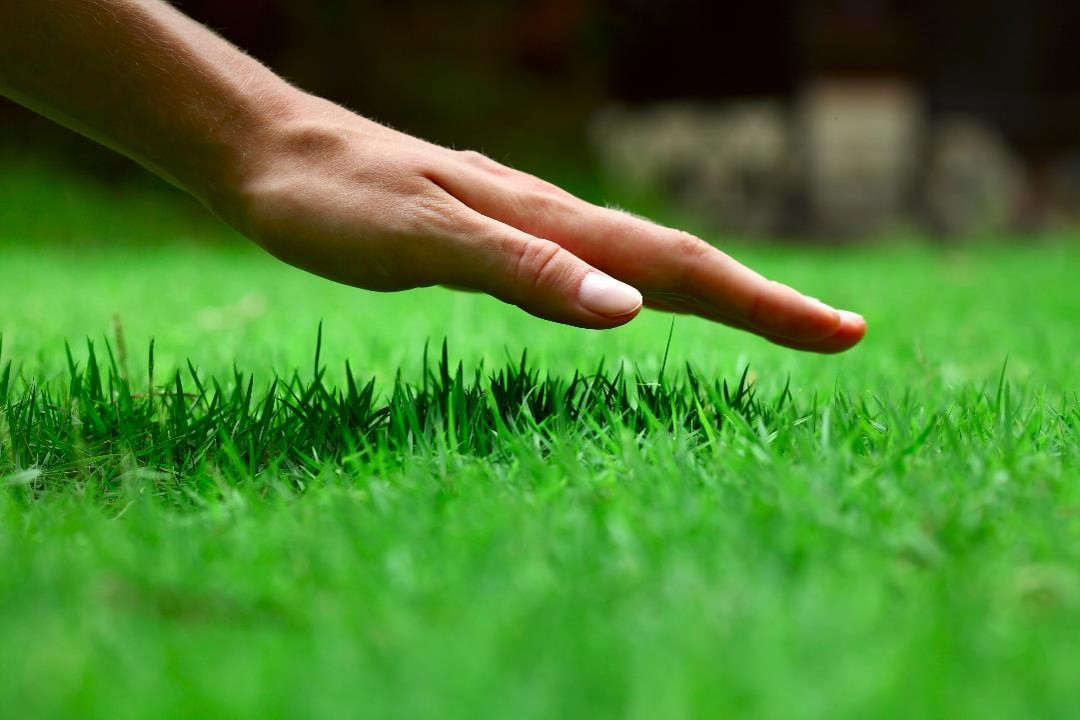
2. Adjust mowing frequency to turf growth. Frequent mowing can reduce the amount of leaf tissue removed during each cutting event. The one-third rule is a useful guideline, but mowing frequency should reflect growth rate, turfgrass species, mowing height, and field requirements. More frequent mowing is not automatically better.
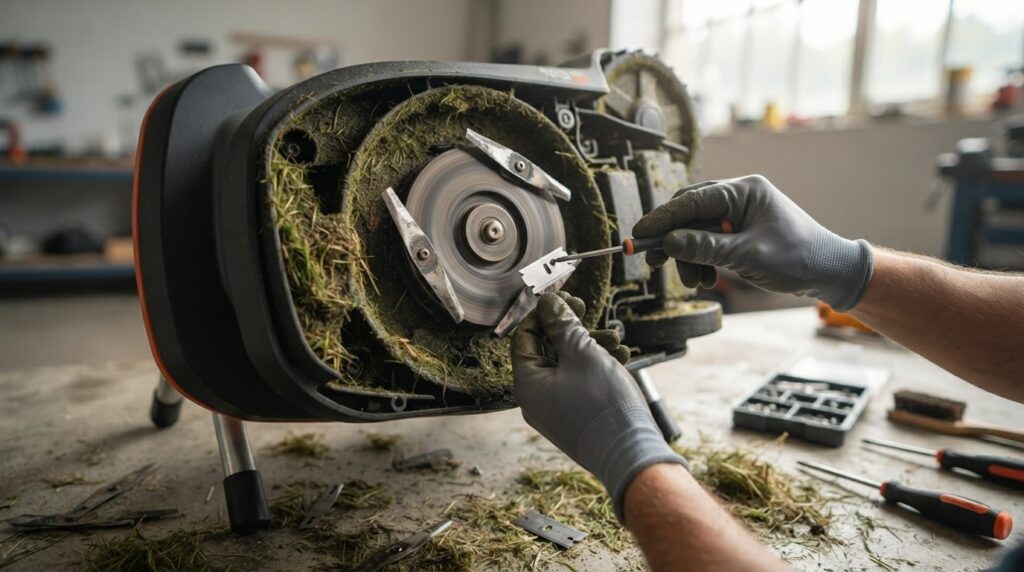
3. Maintain cutting quality. Inspect blades regularly for wear and damage. Replacement intervals depend on operating hours, debris, turf conditions, and manufacturer recommendations. Research trials can provide useful examples, but a fixed four-week replacement schedule should not be applied universally.
4. Plan infrastructure and staffing. Robotic mowing requires charging stations, maintenance access, operating procedures, and staff oversight. Automation may reduce some manual mowing tasks without eliminating supervision, troubleshooting, and routine maintenance.
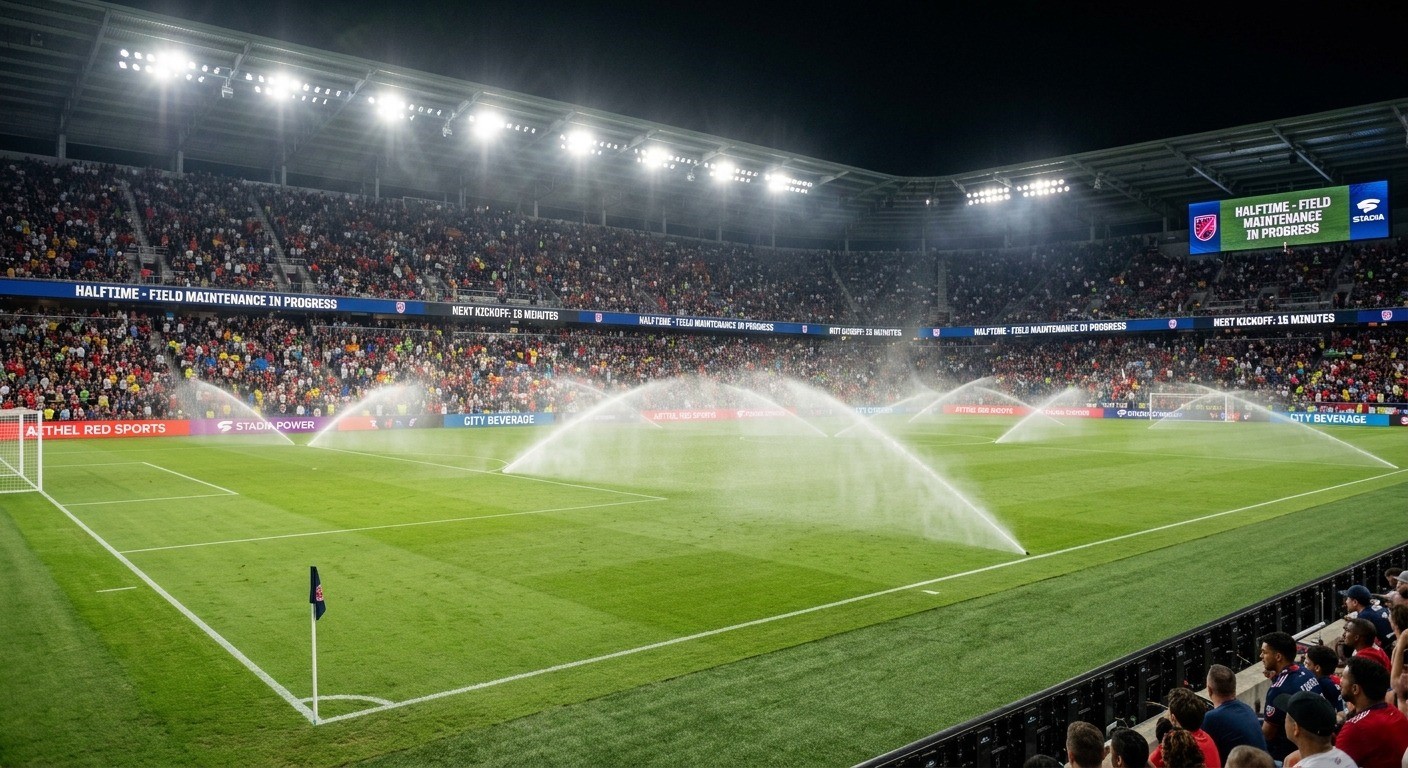
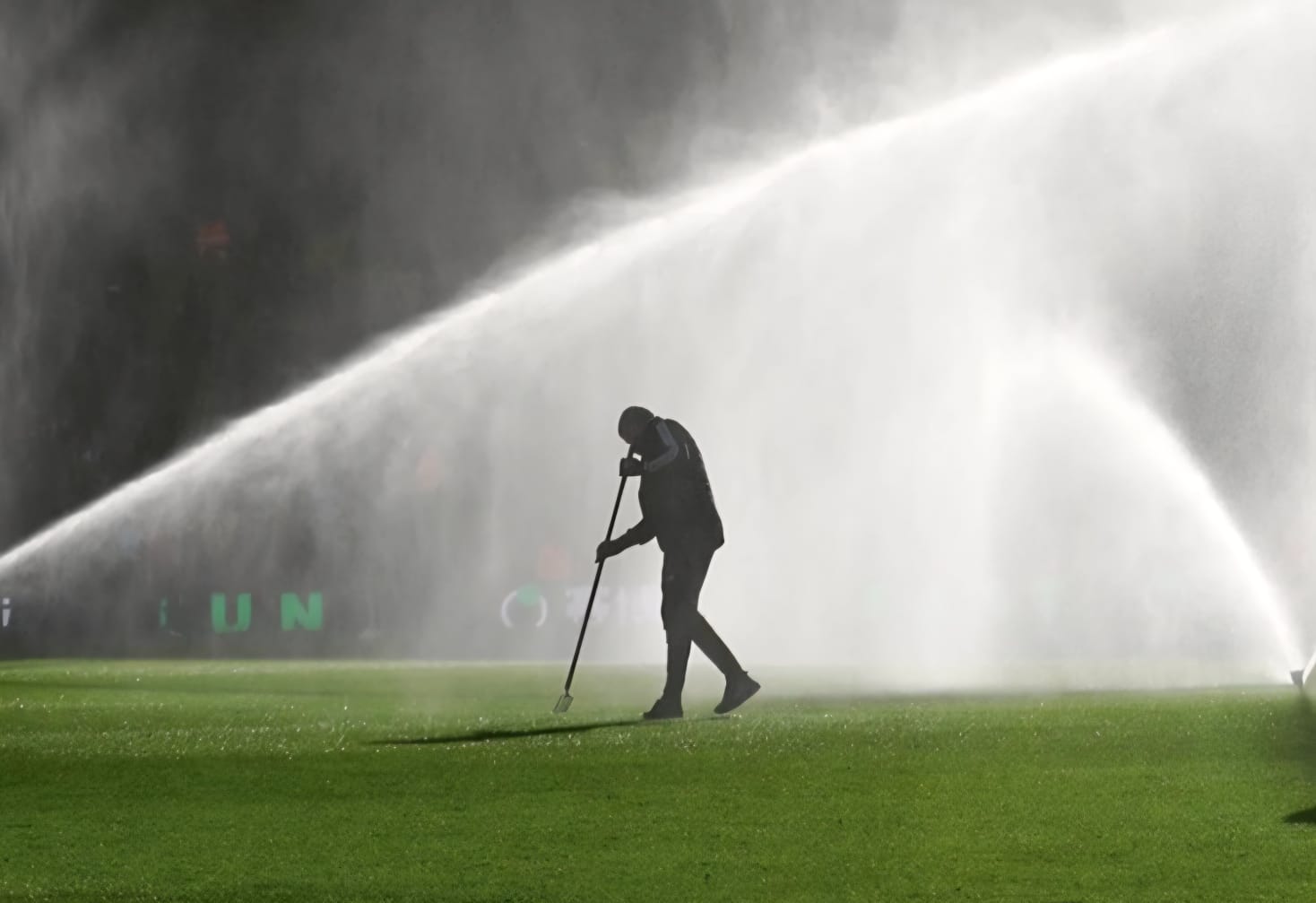
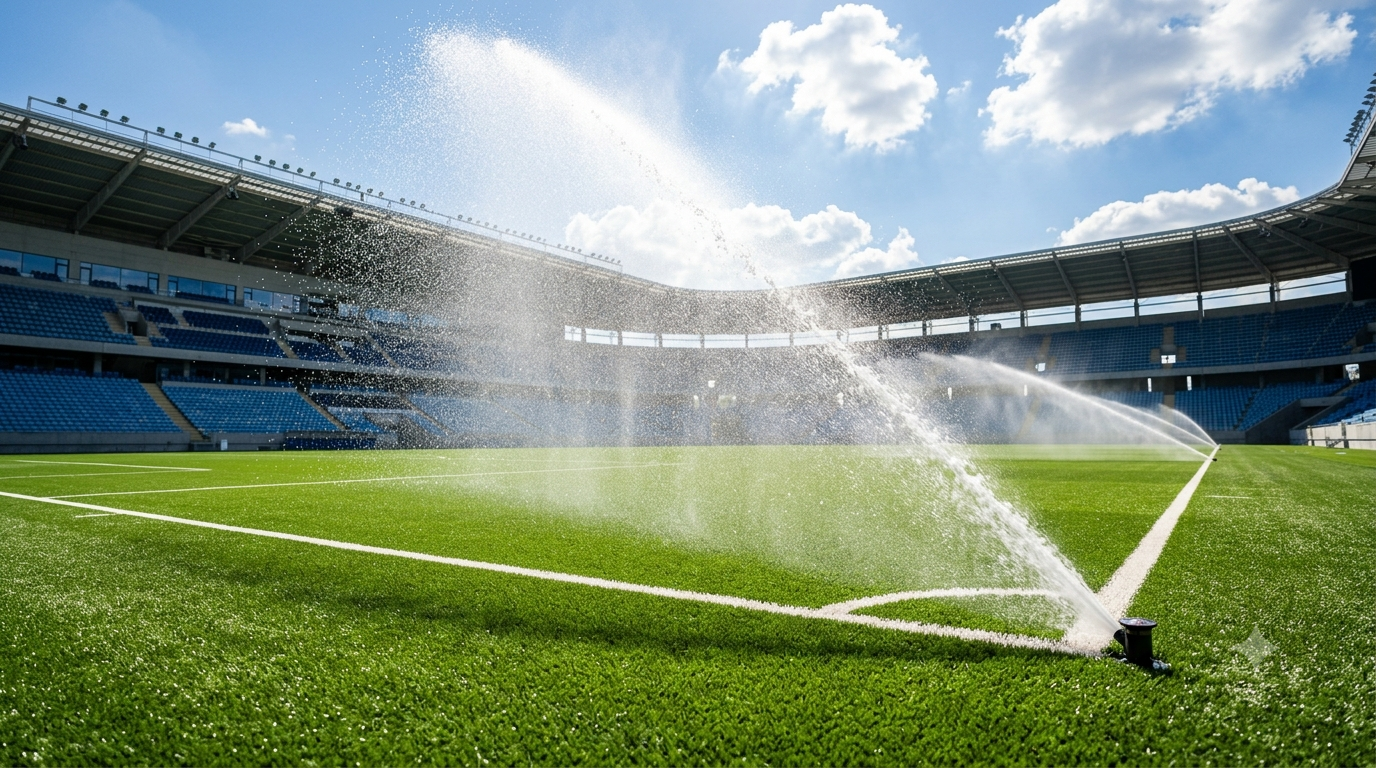
5. Coordinate mowing with irrigation and field use. Establish operating windows that account for irrigation, weather, athlete safety, and scheduled events. Whether the mower must be docked during irrigation depends on the equipment and site-specific safety procedures.
What Does Research Show?
Research on autonomous mowing has produced varying results according to turfgrass species and management conditions.
The ROBO-GOLF project reported turf quality similar to manual mowing in golf course fairways and semiroughs, while identifying differences in disease and white clover infestation. A later study at an Italian golf course found that reel mowing produced higher turf quality and color during much of the evaluation period, while autonomous mowing maintained acceptable conditions and offered economic and environmental advantages.
These findings provide useful context, but they should not be interpreted as direct evidence for every soccer or football field. Research on Zoysia matrella in Japan also found no significant differences in turf growth and quality between different mowing-frequency treatments during the study period, highlighting the importance of evaluating frequency under specific conditions.
Common Mistakes to Avoid
-
Assuming robotic mowing always delivers reel-mower quality. Cutting performance depends on equipment, turfgrass, and management objectives.
-
Using a fixed mowing schedule. Adjust frequency to turf growth and field requirements.
-
Ignoring weeds and turf health. Research findings on white clover are context-dependent; regular scouting remains essential.
-
Evaluating savings using energy alone. Consider labor, maintenance, infrastructure, equipment investment, and service life.
A Practical Pilot Approach
Before adopting robotic mowing across an entire facility, start with a defined pilot area. Establish baseline measurements for turf quality, mowing consistency, operating time, blade wear, maintenance requirements, and costs. Record field conditions and compare results with the existing mowing system.
For sports turf managers, the goal is not simply to automate mowing. It is to determine whether the technology supports the field’s performance, presentation, safety, and maintenance objectives.
Frequently Asked Questions
Can robotic mowers replace reel mowers on sports fields?
Not in every situation. Evaluate cutting quality and field requirements before replacing conventional equipment.
Do robotic mowers reduce operating costs?
They may reduce some labor and energy costs, but total financial results depend on the complete operating system.
Should facilities begin with a pilot?
A pilot can help managers assess performance, maintenance requirements, and costs under local conditions.
Looking for more practical irrigation and sports turf management insights? Explore TurfWaterPro for research-based guidance on irrigation scheduling, water management, and athletic turf maintenance. Related reading: How soccer field stripes are created.