
Installing a complete soccer field irrigation system is one of the largest capital investments in sports turf management—and one of the most important for maintaining a safe, healthy, and high-performing natural grass playing surface. A professionally designed irrigation system improves turf quality, increases water-use efficiency, reduces maintenance costs, and helps deliver consistent playing conditions throughout the season.
But how much should you expect to spend?
For a FIFA-size natural grass soccer field (105 × 68 m) equipped with approximately 35 professional pop-up rotor sprinklers, a complete irrigation system in the United States typically costs between $110,000 and $280,000, depending if you are building a elite, stadium-grade pitch featuring advanced multi-stage pumping stations, large-scale water storage tanks, complete automation and vacuum-ventilation integration. This guide explains where that investment goes and how to maximize its long-term value.
Quick Cost Snapshot
|
Item |
Typical Value |
|
Field Size |
FIFA Standard (105 × 68 m) |
|
Typical Number of Sprinklers |
Approximately 35 professional rotor sprinklers |
|
Estimated Installed Cost |
$110,000–$280,000 |
|
Installation Time |
Approximately 3–6 weeks |
|
Expected System Lifespan |
20–30 years with proper maintenance |
What Is Included in a Complete Soccer Field Irrigation System?
A professional soccer field irrigation system includes much more than sprinklers. Most installations consist of:
- Approximately 35 commercial-grade pop-up rotor sprinklers
- PVC or HDPE mainline and lateral piping
- Electric control valves
- Commercial smart irrigation controller
- Quick-coupling valves for supplemental irrigation
- Valve boxes, wiring, and electrical components
- Hydraulic fittings and accessories
- Trenching, installation, testing, and system commissioning
Depending on the project, additional equipment may include:
- Booster pump station
- Filtration system
- Backflow prevention assembly
- Flow meter
- Weather station
- Soil moisture sensors
- Remote irrigation management software
Together, these components create a reliable irrigation system capable of delivering uniform water distribution across the entire playing surface.
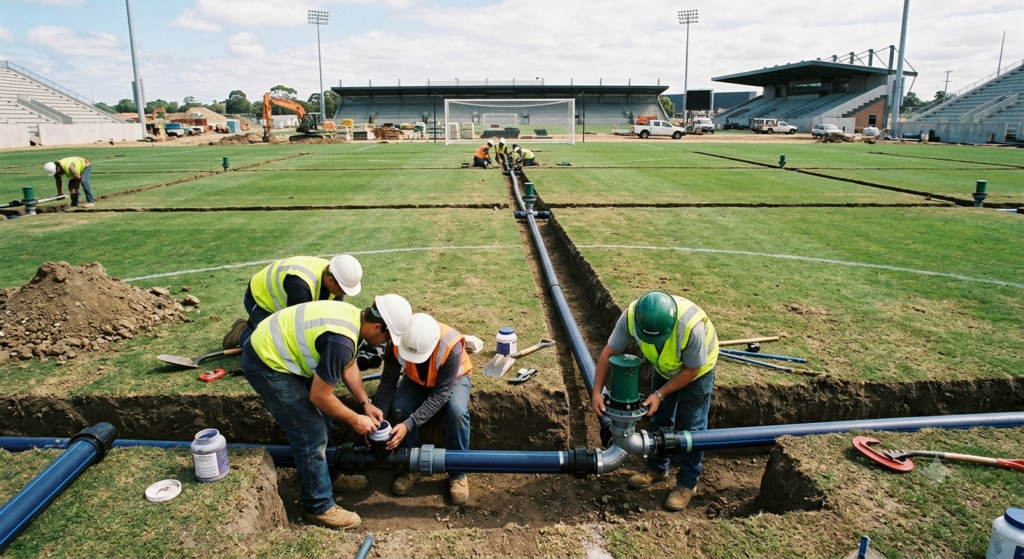
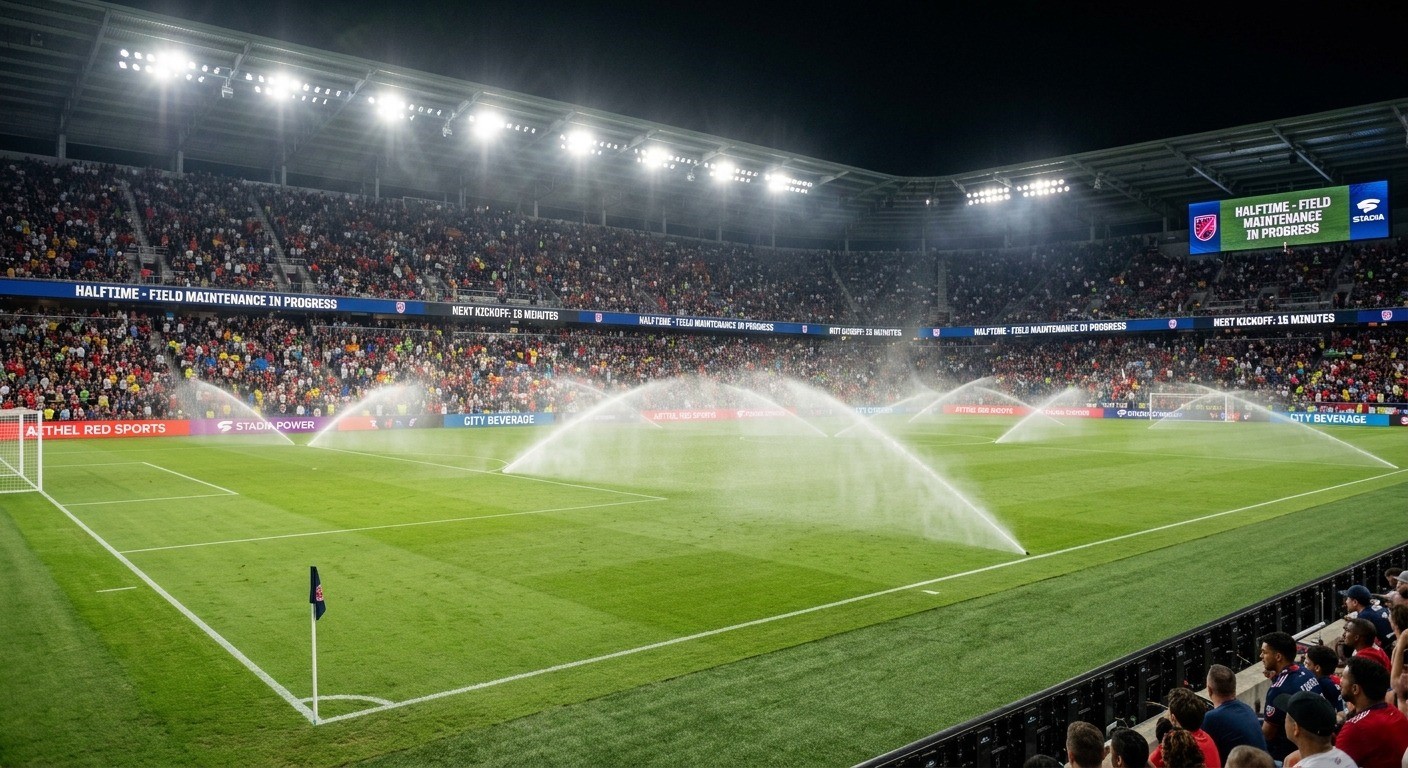
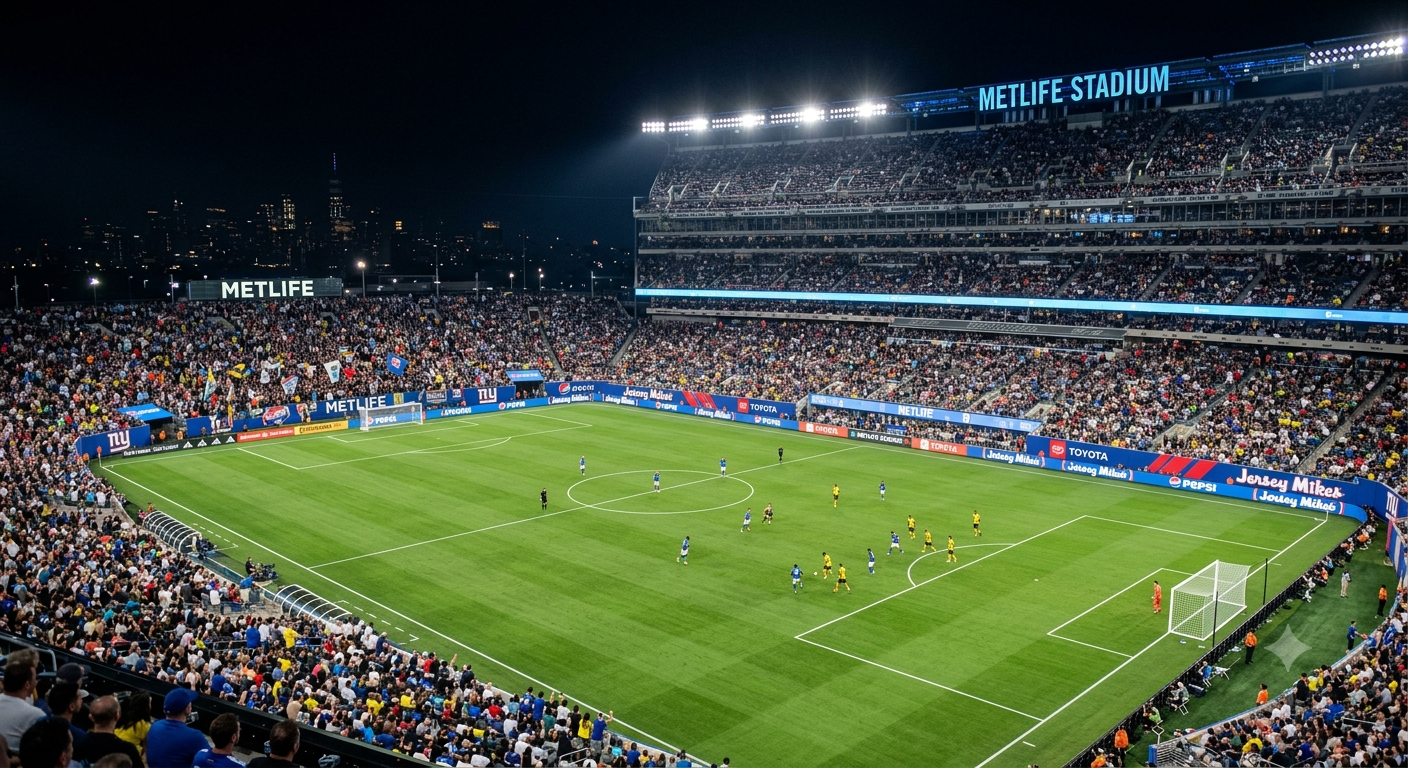
Figure 1: Installing a Professional Soccer Field Irrigation System (AI Image).
Estimated Cost Breakdown
Although every project is unique, the table below represents, on average, a realistic budget for a professionally installed irrigation system serving a FIFA-size soccer field.
|
Component |
Typical Cost (USD) |
|
Professional rotor sprinklers (35 units installed) |
$15,000–25,000 |
|
Mainline and lateral piping |
$15,000–30,000 |
|
Electric valves and valve boxes |
$5,000–10,000 |
|
Commercial smart controller |
$4,000–12,000 |
|
Electrical installation |
$5,000–12,000 |
|
Trenching and installation labor |
$35,000–70,000 |
|
Hydraulic design, testing, and commissioning |
$8,000–18,000 |
|
Optional: Pump station, well, or storage tank |
$20,000–80,000+ |
|
Optional: Weather station, soil moisture sensors, flow monitoring, ET integration |
$5,000–30,000 |
Four Ways to Maximize Your Investment
- Start with a Professional Hydraulic Design
Even the most advanced irrigation equipment cannot compensate for poor hydraulic design. Proper pipe sizing, operating pressure, flow capacity, and head-to-head sprinkler coverage are essential for achieving high distribution uniformity and preventing dry spots or overwatered areas.
- Invest in Smart Irrigation Technology
Modern irrigation controllers integrated with weather stations, evapotranspiration (ET) data, flow monitoring, and soil moisture sensors can significantly improve irrigation efficiency while reducing unnecessary water use and operating costs.
- Choose Commercial-Grade Equipment
Athletic fields experience heavy traffic from athletes and maintenance equipment. Professional-grade rotor sprinklers, valves, and controllers are designed for higher durability, better hydraulic performance, and longer service life than residential products.
- Evaluate Lifetime Cost—Not Just Installation Cost
The lowest bid rarely delivers the lowest lifetime cost. High-quality equipment and proper hydraulic design often reduce water consumption, maintenance expenses, emergency repairs, and premature component replacement over the life of the system.
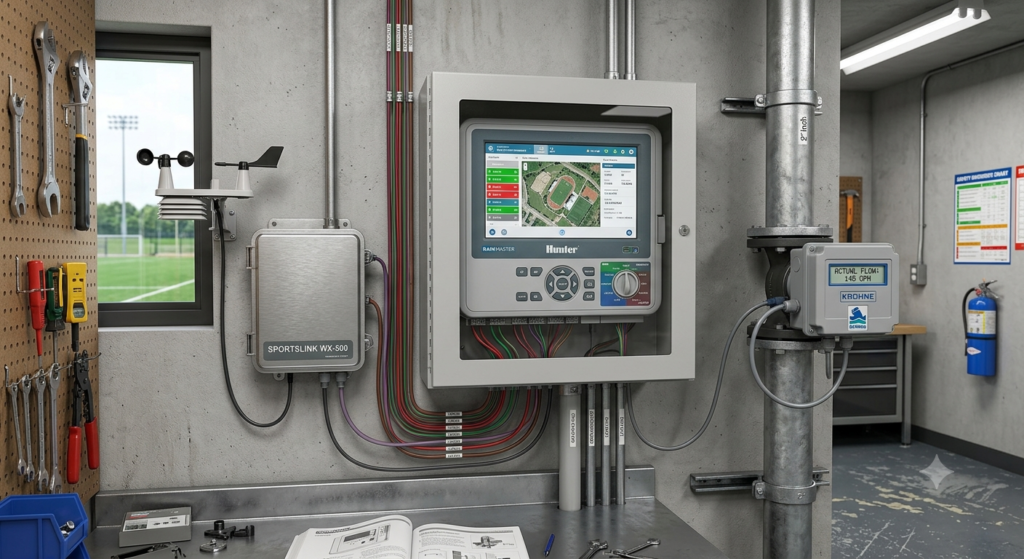
Figure 2. Smart Irrigation Controller for Professional Soccer Fields (AI Image).
Professional Tip
When comparing contractor proposals, don’t focus only on the total price. Ask for a complete hydraulic design that includes operating pressure, flow rates, precipitation rate, sprinkler spacing, and head-to-head coverage. A well-designed system typically pays for itself through improved water efficiency and lower maintenance costs.
Common Mistakes That Increase Project Costs
Avoid these common mistakes when planning a new irrigation system:
- Selecting equipment based solely on purchase price
- Skipping a professional hydraulic analysis
- Underestimating available water pressure or flow
- Installing residential-grade irrigation components
- Ignoring future maintenance requirements
- Failing to include smart irrigation technology during the initial installation
Small design decisions made during construction can significantly affect operating costs for decades.
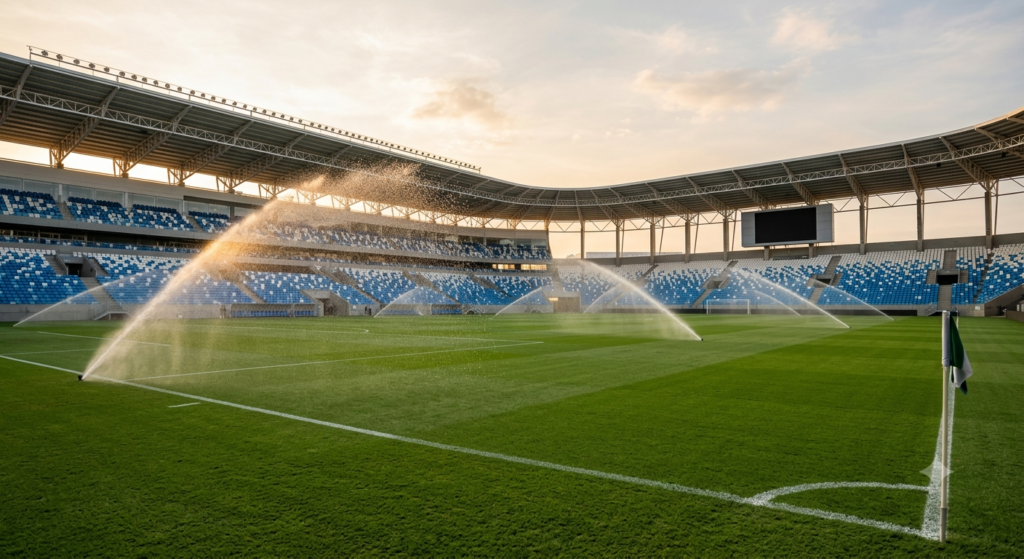
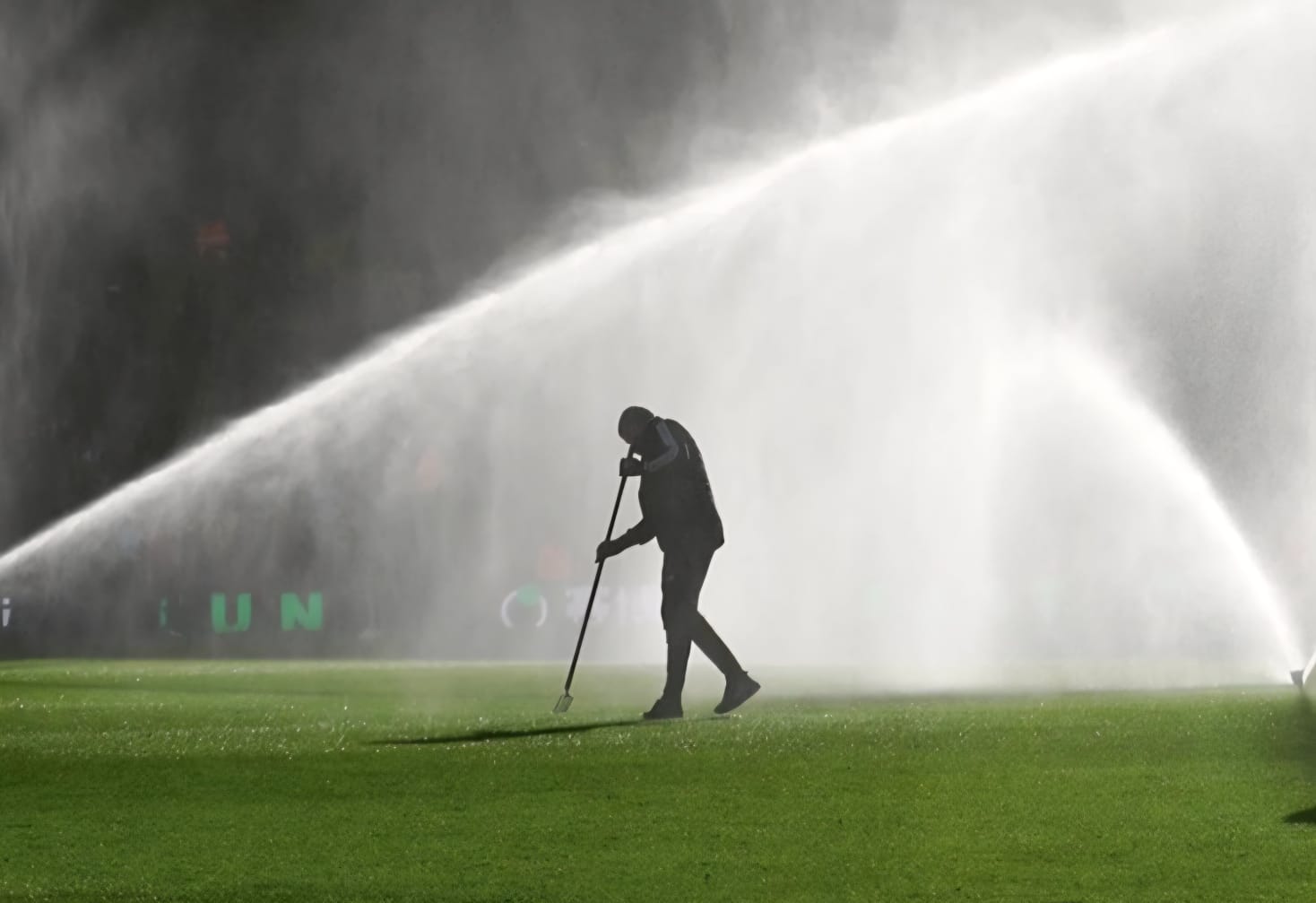
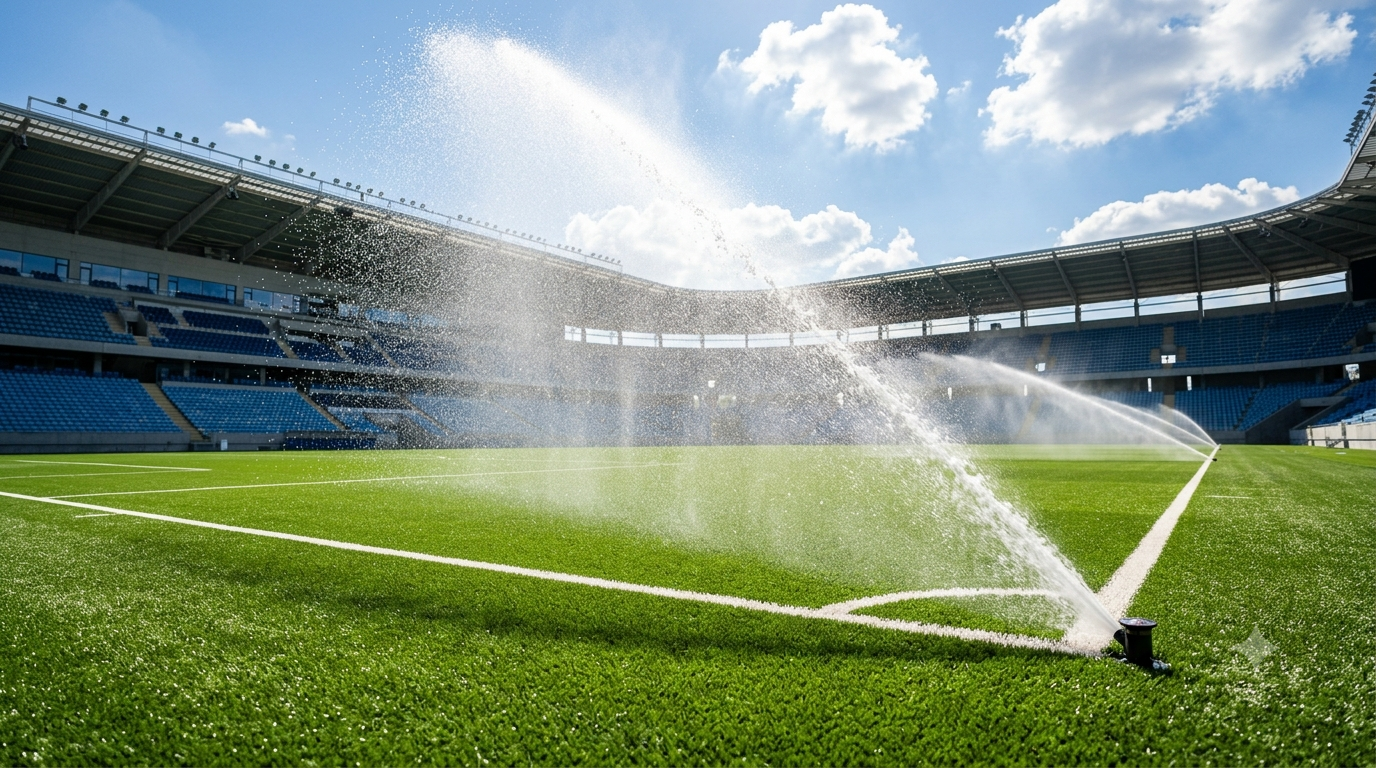
Figure 3. Professional Soccer Field Irrigation System in Operation.
Conclusion
The cost of a complete soccer field irrigation system depends on far more than sprinklers and underground piping. For a FIFA-size natural grass field equipped with approximately 35 professional rotor sprinklers, most professionally installed systems in the United States range between $120,000 and $220,000, depending on project specifications and site conditions.
A professionally engineered irrigation system is a long-term investment in turf quality, player safety, water conservation, and operational efficiency. Choosing high-quality components and a sound hydraulic design from the outset helps reduce maintenance costs while delivering consistent playing conditions for many years.
Call to Action
Looking for more practical irrigation and sports turf management insights?
Explore our complete resource library at TurfWaterPro, where we cover irrigation scheduling, water management, system maintenance, sports field performance, and best management practices for athletic turf.
👉 Next read: How to Choose the Best Sprinkler for a Soccer Field: 6 Critical Factors Every Field Manager Should Know