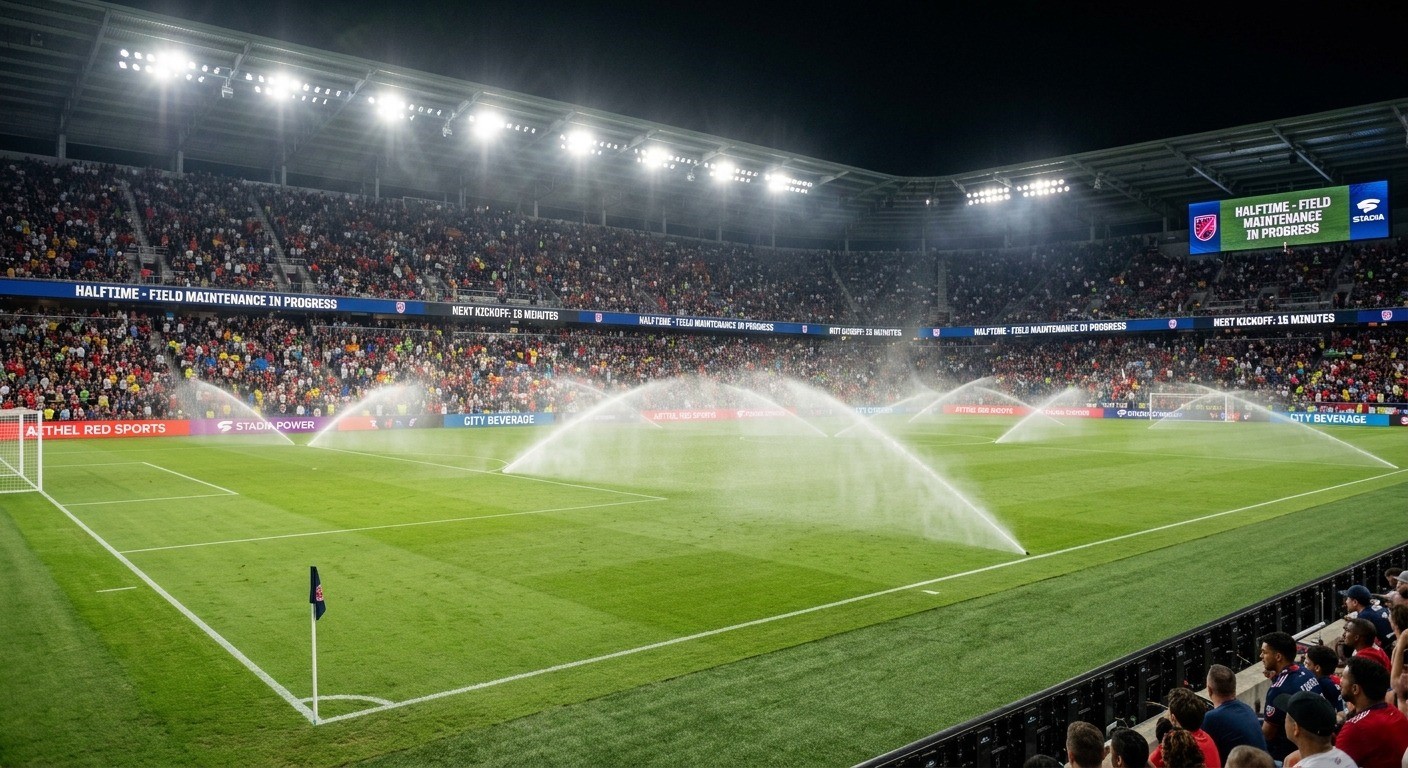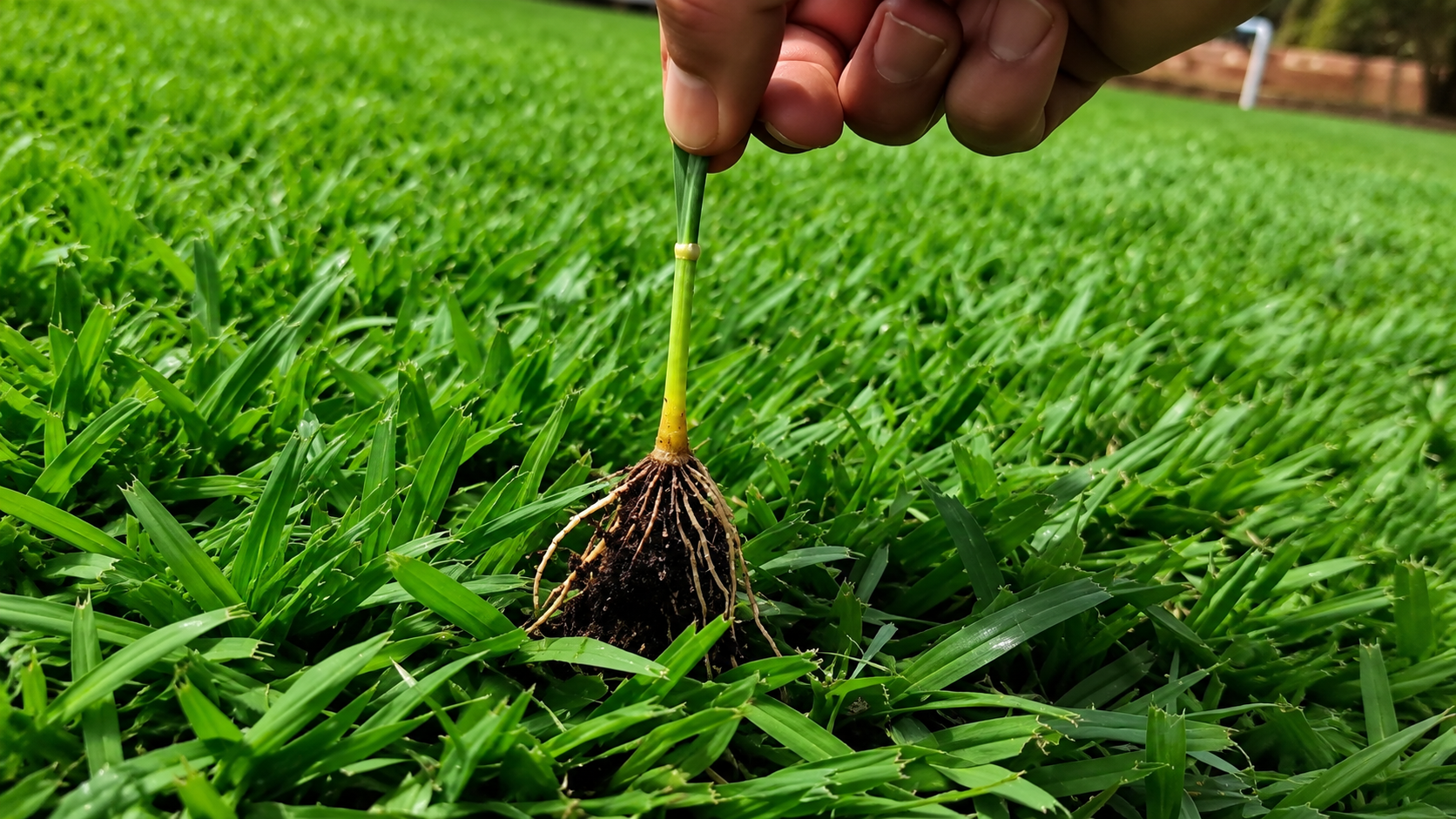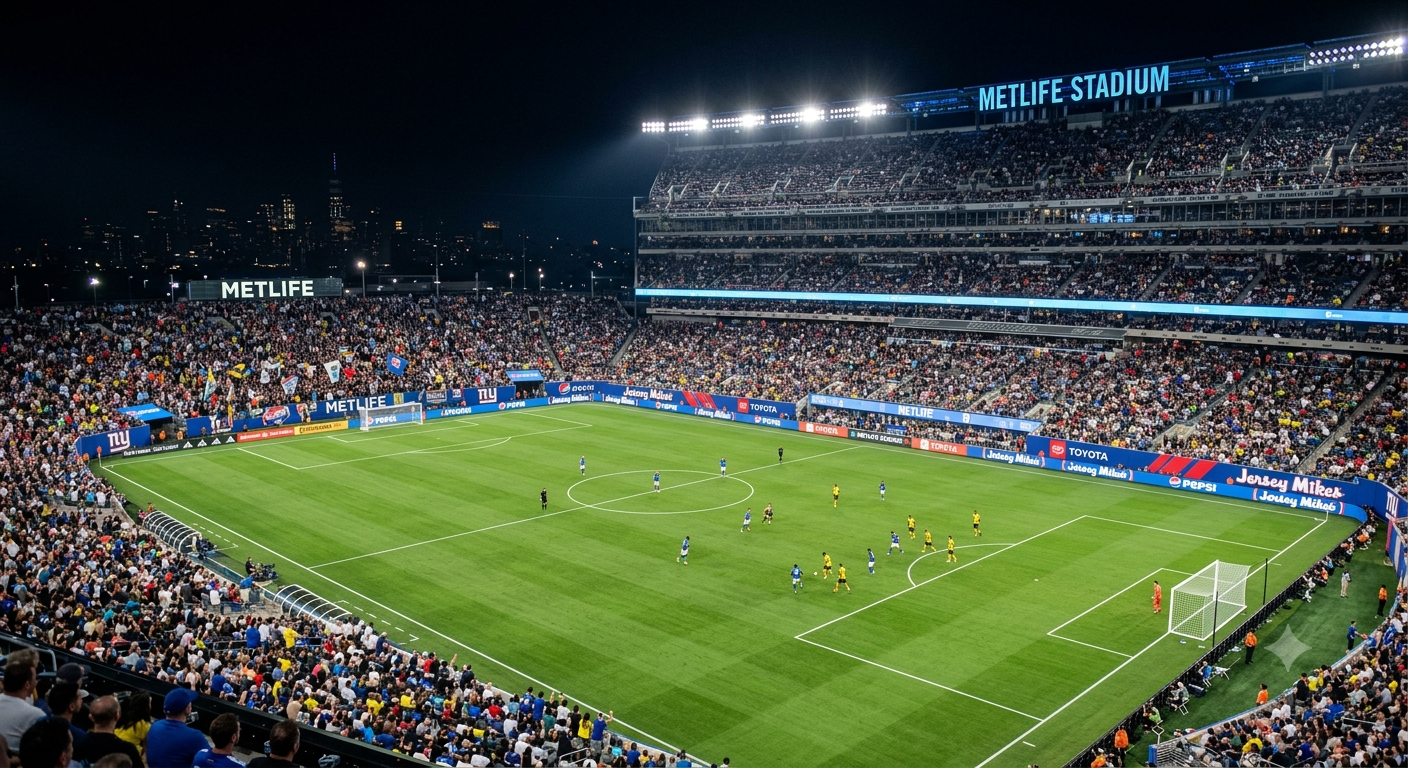

A sports field can have high-quality sprinklers, a modern controller, and a well-planned irrigation schedule—and still develop dry spots, wet areas, and inconsistent turf quality. One of the reasons is Distribution Uniformity (DU), a measure of how evenly an irrigation system applies water across the playing surface.
For sports turf managers, DU is more than an irrigation performance number. It directly affects soil moisture distribution, turfgrass health, water consumption, energy use, and field consistency. Understanding DU can help managers diagnose irrigation problems before responding by simply increasing runtime.
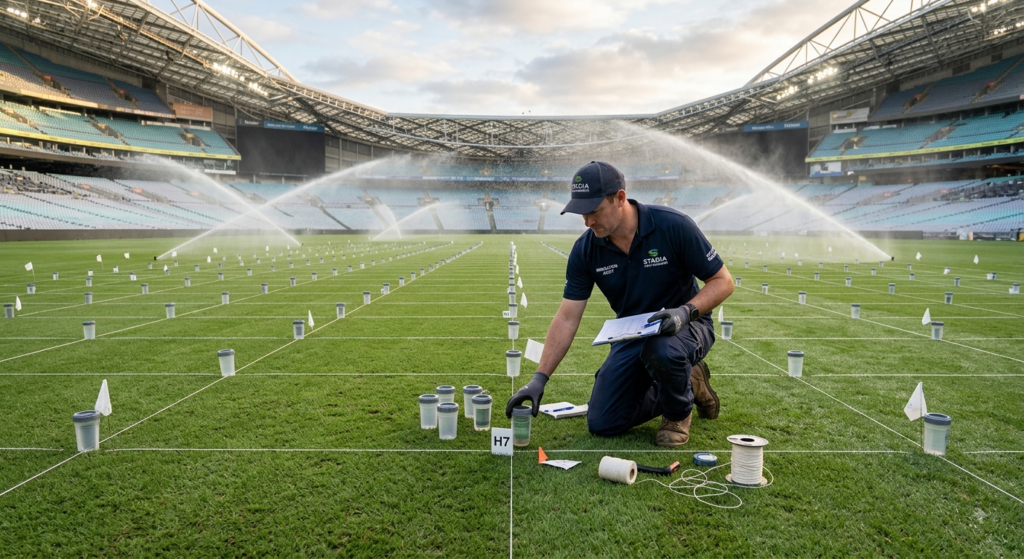
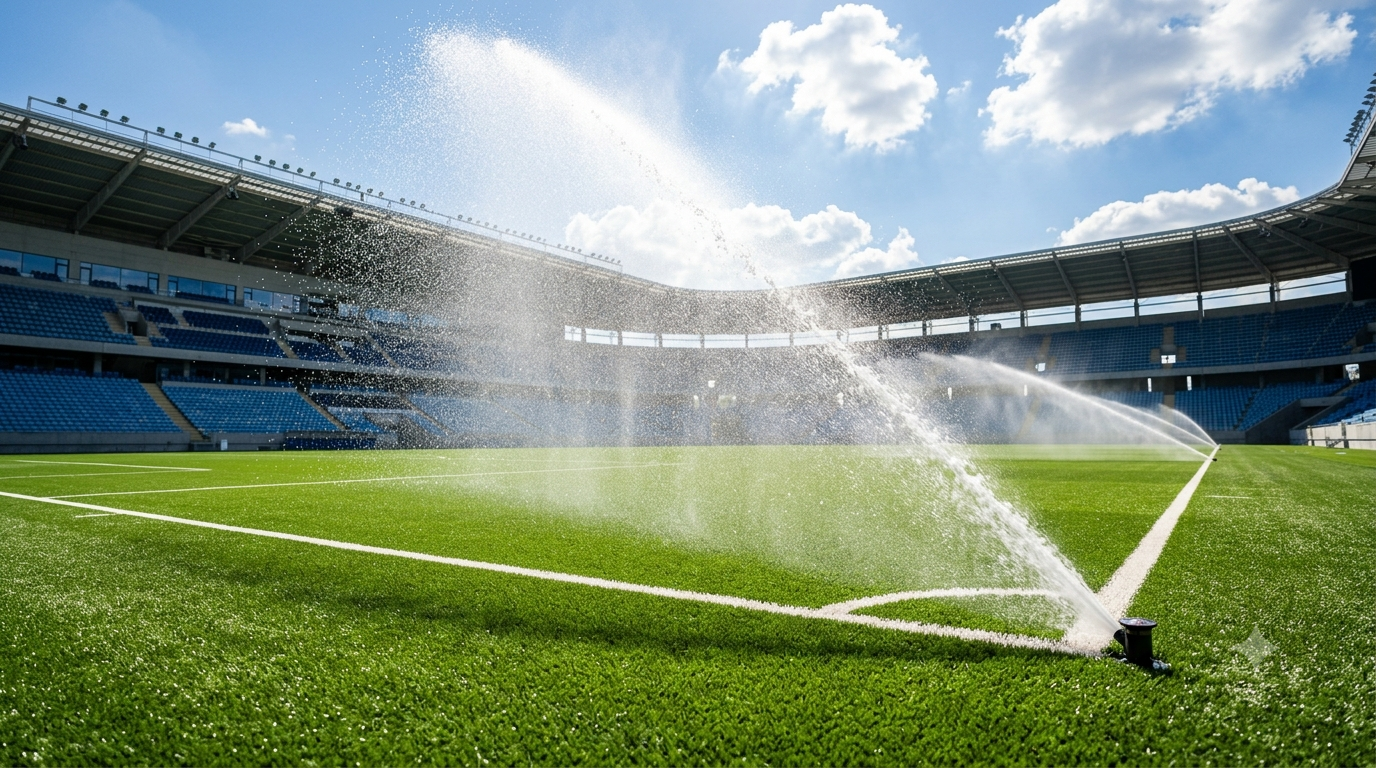
Figure 1: Catch-Can Test for Irrigation Uniformity.
What Is Distribution Uniformity in Turfgrass Irrigation?
Distribution Uniformity (DU) describes how evenly irrigation water is distributed across an irrigated area. It is commonly expressed as a percentage: the higher the DU, the more uniform the water application. It does not, by itself, indicate how efficiently the water is used by the turfgrass.
For a catch-can irrigation audit, DU can be calculated using:
DU = (Low Quartile ÷ Average) × 100%
The Low Quartile is the average amount of water collected in the lowest 25% of catch cans, while the Average represents the average amount collected across all cans.
As a practical reference for sports turf irrigation:
- High DU: ≥ 80% — generally indicates good irrigation uniformity.
- Low DU: ≤ 60% — indicates poor uniformity and a significant risk of uneven irrigation.
The closer the DU is to 100%, the more evenly water is being applied across the irrigation zone. It is worth noting that no irrigation system will achieve 100% uniformity.
Why Does Distribution Uniformity Matter for Turfgrass?
Consider two irrigation systems applying water to the same soccer field.
With DU ≥ 80%, a relatively uniform system allows the manager to apply the water needed by the field without excessively overwatering large portions of the zone. When combined with proper scheduling, this can reduce unnecessary water and energy use while supporting more consistent turf quality.
With DU ≤ 60%, the situation changes dramatically. To provide enough water to the driest areas, the irrigation runtime may need to be increased. However, areas already receiving adequate water will receive even more.
The result can be higher water and energy consumption, runoff, nutrient loss through leaching, and inconsistent turf quality.
A poorly uniform system can therefore create a paradox: some areas may show drought stress while other areas are simultaneously overwatered.
Example: How Poor DU Increases Water Use
Imagine a sprinkler zone where the average catch-can measurement is 0.80 inches, while the average of the lowest 25% of cans is 0.48 inches.
Using the formula:
DU = (0.48 ÷ 0.80) × 100 = 60%
A DU of 60% indicates poor distribution uniformity. If the manager increases runtime to provide sufficient water to the driest areas, the portions already receiving higher amounts will receive substantially more water.
This simple calculation shows why irrigation system performance should be evaluated before changing irrigation schedules.
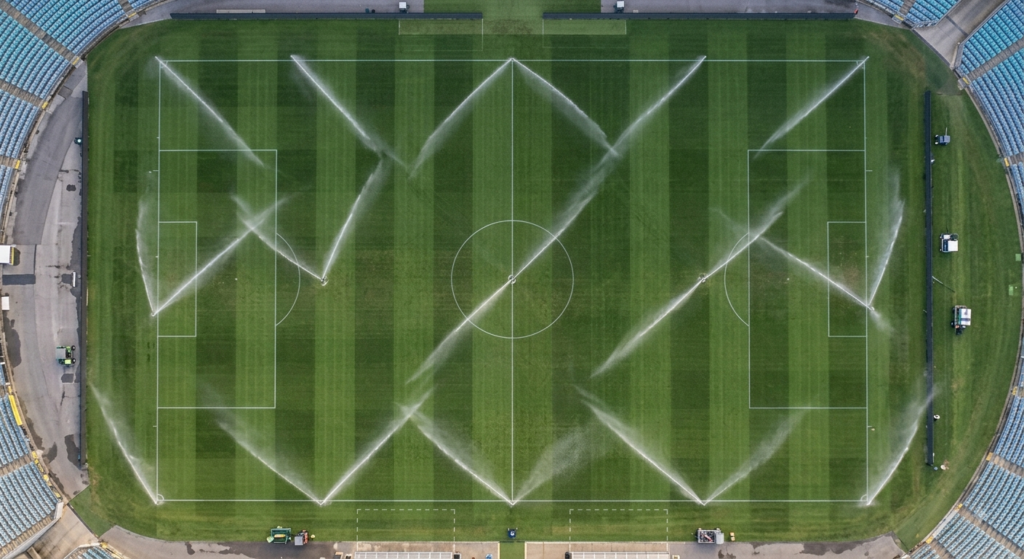
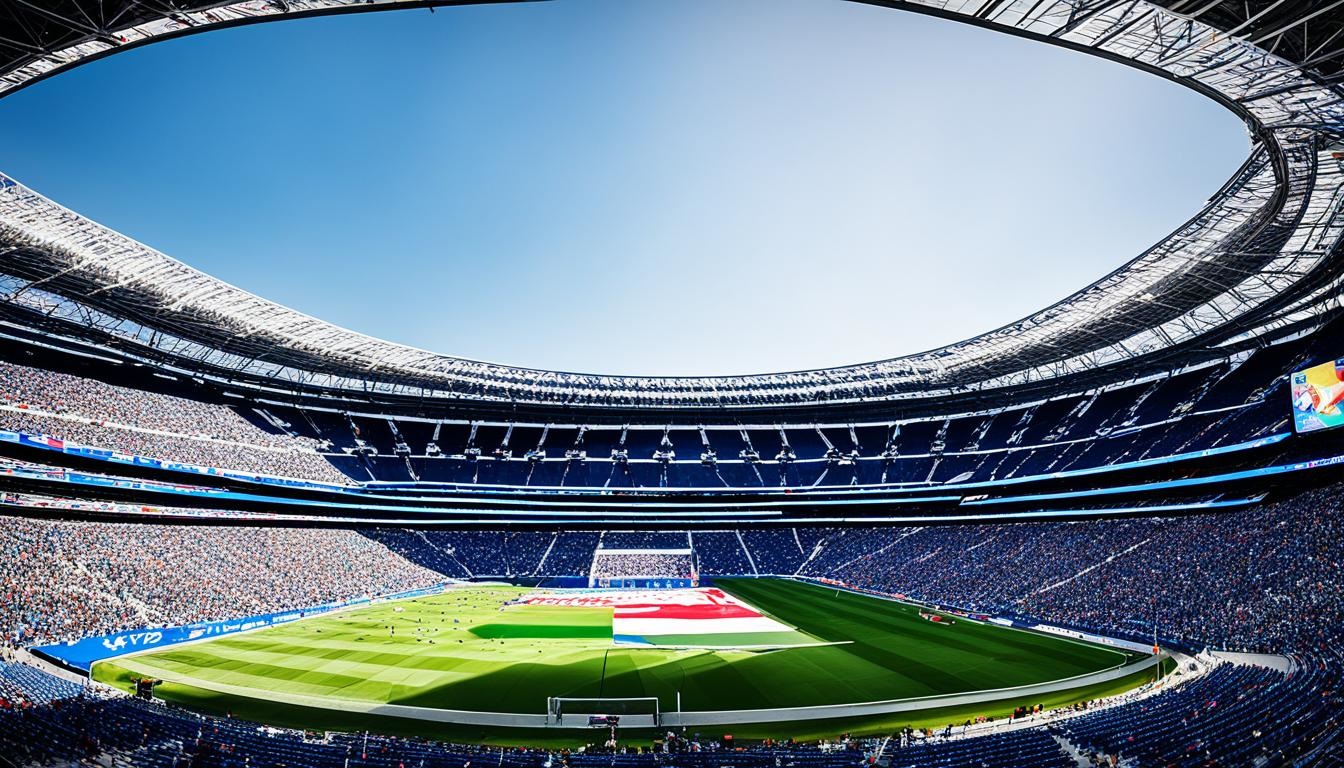
Figure 2. Irrigation Distribution Uniformity Across a Soccer Field.
How to Improve Distribution Uniformity on Sports Fields
1. Perform a Catch-Can Audit
A catch-can test is one of the most practical ways to identify irrigation distribution problems.
Place collection cans across the irrigation zone, operate the system for a known period, and measure the water collected at each location. The results can reveal areas that consistently receive less or more water.
For professional athletic fields, test each irrigation zone rather than assuming the entire system performs uniformly.
2. Check Sprinkler Spacing and Head-to-Head Coverage
Poor sprinkler spacing, incorrect nozzle selection, damaged heads, and inadequate overlap can all reduce DU.
Proper head-to-head coverage is fundamental to achieving consistent water application. A sprinkler that does not adequately overlap with neighboring heads can create persistent dry areas regardless of how well the controller is programmed. Continue reading: How to Choose the Best Sprinkler for a Soccer Field: 6 Critical Factors Every Turf Manager Should Know
3. Verify Pressure and Nozzle Performance
Pressure that is too high or too low can change sprinkler performance and precipitation patterns.
Inspect nozzles, screens, rotation mechanisms, valves, and pressure at representative sprinkler heads whenever a zone produces abnormal results.
4. Correct the System Before Changing the Schedule
If a catch-can audit identifies poor DU, don’t immediately increase runtime.
First investigate the physical cause:
- Clogged or damaged nozzles
- Incorrect nozzle combinations
- Inadequate or excessive pressure
- Poor sprinkler spacing
- Misaligned heads
- Rotors that are not rotating correctly
- Valve or hydraulic problems
After correcting the problem, repeat the audit and then adjust the irrigation schedule using the measured system performance.
5. Use DU When Evaluating Irrigation Performance
DU should not be treated as a one-time commissioning measurement.
Professional sports fields experience equipment wear, nozzle changes, pressure variations, and maintenance issues over time. Periodic irrigation audits help identify declining performance before it becomes visible as turf damage.
Common Mistakes to Avoid
Increasing runtime whenever dry spots appear.
A dry area may indicate poor sprinkler coverage rather than insufficient irrigation.
Assuming a smart controller can fix poor DU.
A smart controller can improve when and how long irrigation runs, but it cannot correct poor sprinkler spacing, pressure problems, damaged heads, or incorrect nozzles.
Testing only one location on the field.
A single measurement cannot represent the performance of an entire irrigation zone. Catch cans should be distributed throughout the area being evaluated.
Ignoring precipitation rate.
Two zones may have similar DU values but different application rates. Both uniformity and precipitation rate should be considered when developing irrigation schedules.
Waiting until turf quality declines.
By the time uneven irrigation becomes visible, the problem may have been affecting soil moisture and turf performance for weeks.
The Bottom Line for Sports Turf Managers
Distribution Uniformity is one of the most useful indicators of irrigation system performance. High DU allows managers to apply water more precisely, while poor DU can force them to overwater much of the field simply to keep the driest areas alive.
Before increasing irrigation runtimes, measure the system. A catch-can audit, pressure check, nozzle inspection, and evaluation of sprinkler coverage can identify the real problem and often improve turf performance more effectively than simply applying more water.
A healthy, consistent athletic field starts with getting water to the right place, in the right amount, at the right time.
Related Guide
See also: 10 Sports Turf Irrigation Mistakes That Waste Thousands of Gallons Every Year
Looking for more practical irrigation and sports turf management insights? Explore our complete resource library at TurfWaterPro, where we cover irrigation scheduling, water management, system maintenance, sports field performance, and best management practices for athletic turf.